

Views: 0 Author: Site Editor Publish Time: 2026-09-15 Origin: Site


Managing loose scrap metal creates severe operational bottlenecks across your facility. It wastes valuable yard space, inflates outbound freight costs, and diminishes the final material value at the mill. Shipping unbaled material means you pay heavy transportation fees just to move empty air. Loose scrap consumes critical square footage, restricts heavy equipment movement, and creates tripping and tire-puncture hazards across the tipping floor. Mill buyers actively penalize loose or poorly prepared scrap with lower payouts because it melts inefficiently in their furnaces.
Investing in the wrong baler results in negative ROI and excessive downtime. An underpowered machine struggles with heavy ferrous materials, causing severe hydraulic strain and frequent breakdowns. A baler with the wrong feed mechanism forces your operators to spend excessive hours manually clearing chamber jams. When production stops, inbound material piles up, and cash flow stalls. To make an informed capital investment, scrap yard operators must move beyond basic tonnage claims. You must evaluate technical specifications, structural integrity, and manufacturer reliability before purchasing a machine.
Identify the current inefficiencies dragging down your profit margins. Shipping air remains the most common profit killer in scrap recycling. A standard 40-yard roll-off box might only hold four tons of loose aluminum siding. Once baled, that same container can easily hold fifteen tons. Low payload weights force you to dispatch three times as many trucks to move the exact same tonnage. Maximum yard footprint limits restrict your ability to scale operations or stockpile material during market downturns. Excessive material handling times drain your labor resources. Operators spend hours moving the same pile of loose scrap multiple times with a grapple before it finally leaves the yard.
Define the exact mix of materials you process daily. Differentiating between scrap categories dictates your equipment requirements. Light non-ferrous scrap, aluminum profiles, and copper wire require different compression forces and chamber clearances than heavy ferrous steel. White goods and car bodies demand massive feed openings and aggressive pre-compression capabilities. Profiling your material prevents you from buying a machine that either lacks the structural power for heavy steel or wastes massive amounts of electrical energy on light aluminum.
| Material Profile | Recommended Baler Type | Primary Processing Challenge | Target Outcome |
|---|---|---|---|
| Light Non-Ferrous (Aluminum, Copper) | Vertical or Small Horizontal | Material slipping past ram clearances | High-density, stackable bales for export |
| White Goods & Appliances | Lid Type Baler | Bulky dimensions bridging in hoppers | Crushing empty cavities before main compression |
| Manufacturing Offcuts & Turnings | Hopper Feed Channel Baler | Continuous volume overwhelming manual loading | Automated, continuous extrusion and tying |
| Heavy Ferrous & Car Bodies | Stationary Logger Baler | Extreme material memory and structural resistance | Maximum shear force and dense block formation |
Calculate the required tons per hour to keep your yard clear. Establish a target bale density needed to maximize standard shipping container or flatbed trailer payloads. A high-density bale ensures you hit the maximum legal weight limit per axle before running out of physical trailer space. Matching your processing speed to your inbound scale tickets prevents massive backlogs during peak afternoon hours.
Quantify the payback period by measuring increased payload efficiency per truckload. Track higher foundry and mill payouts for high-density bales. Mills prefer dense, uniform bales because they sink into the molten bath and melt efficiently rather than oxidizing on the surface. Monitor reduced labor hours spent on material handling. A properly sized metal baling press allows you to reallocate operators from repetitive sorting duties to higher-value tasks like material grading.
Vertical balers feature a highly compact footprint. They are ideal for low-volume yards or indoor facilities processing light non-ferrous metals. These machines require manual loading and tying. Operators must stop the machine, thread the high-tensile wire through the chamber slots, and tie off each bale individually. This manual intervention limits overall throughput but keeps initial capital expenditure low. They work well for operations generating less than two tons of scrap per day.
Horizontal and channel balers are designed for continuous, high-volume processing. Channel balers offer automated extrusion and tying. Material enters the hopper, gets compressed by the ram, and pushes against the previous bale resting in the channel. Auto-tying mechanisms secure the bale with wire without any operator intervention. This automated continuous flow makes them ideal for high-throughput recycling centers processing uniform materials like stamped steel offcuts or aluminum cans.
This top-loading design utilizes a heavy-duty compression lid. The lid pre-compresses material before the main horizontal rams engage. The operator drops a massive grapple load into the open chamber. The lid closes with immense hydraulic force, acting as a shear against the chamber edge to cut overhanging scrap. It crushes bulky items down into the main pressing box. Once secured, the side and main rams complete the baling cycle to form a dense block.
This mechanism is ideal for bulky, rigid, or oversized materials. Car bodies, white goods, and mixed light scrap fit perfectly into the large top opening. The lid handles irregular shapes that would instantly bridge or jam in a standard hopper. It forces unruly scrap into a manageable block, eliminating the need for operators to manually cut down large pieces with a torch before baling.
Operational trade-offs exist with this design. A lid type scrap metal baler requires manual, grapple, or crane loading. It generally features slower cycle times compared to continuous feed models because the operator must wait for the lid to cycle. However, it delivers exceptionally high initial compression force, making it indispensable for heavy-duty demolition scrap and mixed yard waste.
This continuous or semi-continuous feeding system utilizes an incline conveyor or a large loading hopper. Material flows steadily into the compression chamber. Photo-eye sensors detect when the chamber is full, triggering the ram to cycle automatically. The conveyor continues to stage material while the ram compresses the current load. Once the ram retracts, the staged material drops into the chamber for the next cycle.
This design is optimized for high-volume, uniform scrap. Aluminum cans, steel turnings, and manufacturing offcuts process beautifully through a hopper system. The continuous feed eliminates the start-and-stop delays associated with grapple loading. You can dump a loader bucket into the conveyor pit and let the machine handle the rest.
A hopper feed scrap metal baler offers superior throughput and automation capabilities. However, it is highly susceptible to bridging or jamming. Oversized or highly irregular materials, like long steel extrusions or heavy rebar, can block the hopper throat. Operators must ensure the inbound material matches the hopper's physical limitations to prevent constant manual intervention.
Portable units are designed for multi-site operations. Manufacturers mount them on heavy-duty roll-off frames or multi-axle trailers. You can tow them directly to demolition sites or smaller feeder yards. On-site processing reduces the volume of material before transportation, slashing freight costs from remote locations. They typically run on self-contained diesel engines, eliminating the need for heavy electrical drops.
Stationary units are high-capacity, fixed installations. They require dedicated concrete foundations and heavy electrical infrastructure. These machines are designed for maximum throughput in centralized processing facilities. They offer significantly higher pressing forces, larger chamber sizes, and faster cycle times than their portable counterparts. They form the backbone of a high-volume scrap processing yard.
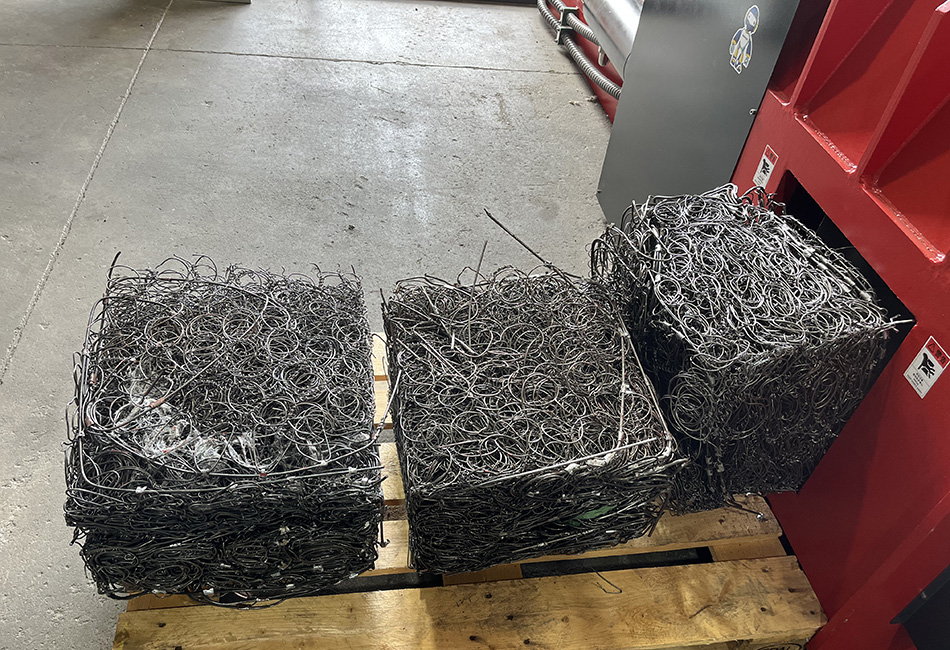
Assess the machine based on pump displacement capacity, cylinder bore size, and maximum operating pressure. High pump displacement ensures faster cylinder extension and retraction, directly improving your tons-per-hour metric. A larger cylinder bore translates directly to higher pressing force. Operating pressure, measured in PSI or Bar, determines the maximum density the baler can achieve. Piston pumps generally handle the high-pressure demands of scrap baling better than standard gear pumps.
Compare air-cooled versus water-cooled hydraulic systems. Hydraulic fluid loses viscosity when overheated, leading to sluggish performance, internal pump bypass, and premature seal failure. Air-cooled systems work well in moderate climates. Water-cooled systems or robust kidney-loop chillers are mandatory to ensure continuous operation without fluid degradation in extreme ambient temperatures. Running hot oil destroys a hydraulic scrap metal baler faster than any other operational error.
Look for integrated manifold blocks. Traditional plumbing uses dozens of hoses and threaded fittings, creating numerous potential leak points that vibrate loose over time. Integrated manifolds route hydraulic fluid through solid machined metal blocks. This reduces the number of external hoses, minimizes pressure drops, and drastically lowers the risk of catastrophic fluid leaks that cause environmental hazards and EPA fines.
Map pressing force directly to your scrap profile. A 160-ton machine is highly efficient for light aluminum profiles and copper wire. It cycles quickly and uses less electrical energy. However, a 500-ton or larger machine is required for heavy ferrous scrap and car bodies. Insufficient tonnage results in loose bales that fall apart during loading, forcing you to re-process the material and double your labor costs.
Understand the relationship between sheer pressing force and material memory. Different metals have a severe spring-back effect. Aluminum extrusions and high-tensile steel try to expand violently after the ram retracts. You need overwhelming force to push the metal past its yield point. This prevents bale expansion post-ejection, ensuring bales remain tight and stackable during transit.
Differentiate between manufacturer-stated dry cycle times and actual loaded cycle times. A dry cycle measures the ram moving through an empty chamber with zero resistance. Loaded cycle times measure the ram pushing against maximum material resistance under full system pressure. A 60-second dry cycle often becomes a 90-second loaded cycle. Loaded times provide a realistic metric for your daily production capabilities.
Evaluate integrated shear blades on the ram or chamber edges. When loading bulky scrap, pieces inevitably overhang the chamber. Shear blades cut this overhanging scrap during the compression stroke. This prevents material from jamming between the ram and the chamber wall. Proper shear blade clearance protects the structural integrity of the machine and prevents the ram from binding.
Ensure the final bale dimensions stack efficiently. Common sizes like 16x16 inches or 24x24 inches are engineered to fit perfectly within standard export containers or domestic freight trailers. Irregular bale sizes leave empty gaps in the trailer, defeating the entire purpose of baling. Maximize your payload by choosing a chamber size that matches your primary shipping method.
Evaluate the baler's ability to produce uniform, high-density bales. Density consistency matters heavily to the end buyer. Mills and foundries have strict purchasing specifications. Bales that are too loose burn up in the furnace before melting, reducing the mill's yield. Bales that are too dense might not melt evenly. Consistent density ensures you receive top-tier pricing for your processed scrap and avoids costly downgrades at the scale.
Weigh the lower initial cost of used equipment against the high risk of inherited problems. Used machines often hide severe hydraulic wear, structural metal fatigue, and outdated safety controls. A cracked main cylinder or a warped pressing chamber can cost tens of thousands of dollars to repair, rapidly erasing any upfront savings you gained at purchase.
When browsing a scrap metal baler for sale, verify its operational history. If the machine was previously processing highly abrasive materials like steel turnings or titanium, the chamber liner plates are likely compromised. Abrasive materials accelerate wear, requiring immediate and costly relining of the main pressing box. Look for scored cylinder rods, weeping seals, and cracked trunnion mounts during your inspection.
Factor in depreciation schedules and tax incentives for new capital equipment. New machines often qualify for accelerated depreciation, improving your cash flow. Calculate the cost of potential immediate refurbishments for used models. Replacing main pumps, high-pressure hoses, and outdated PLC screens on a used machine often brings the total investment dangerously close to the price of a brand-new unit with a full warranty.
Programmable Logic Controllers offer automated cycles, self-diagnostics, and consistent bale densities. The operator presses a single button, and the PLC manages the entire compression sequence based on pressure transducer feedback. Touchscreens display exact error codes, making troubleshooting faster. However, PLC systems require specialized technicians for electrical repairs if a sensor or board fails.
Traditional manual controls use lever-operated hydraulic directional valves. They offer operational simplicity and lower repair costs. Any competent hydraulic mechanic can rebuild a manual valve in the field. The trade-off is that manual controls rely heavily on operator skill. The operator must manually sequence the rams, which increases labor fatigue and leads to highly inconsistent bale densities throughout a long shift.
Weigh the upfront cost savings of imported machines against the reliability of established global brands. An imported machine might look identical on a spec sheet, but the reality of overseas parts shipping times can cripple your yard. Waiting three weeks for a proprietary hydraulic cylinder to clear customs means three weeks of zero production and lost revenue.
Verify the origin of critical components. The structural steel can be fabricated anywhere, but the moving parts must be reliable. Ensure the metal scrap baler machine utilizes reputable components like Rexroth or Parker hydraulics, and Siemens or Allen-Bradley electronics. Standardized components guarantee you can source replacement parts from local industrial suppliers on the same day.
Assess the scrap metal baler manufacturer and their post-sale infrastructure. Check their domestic service network. Confirm the guaranteed availability of wear plates and shear blades. Modern machines should also offer remote diagnostic capabilities, allowing the manufacturer's engineers to log into your PLC via cellular connection to troubleshoot software issues instantly without a site visit.
Determine the concrete pad thickness, reinforcement, and vibration dampening required for heavy stationary balers. A 500-ton baler generates massive kinetic energy and vibration during the shear stroke. Placing it on standard 4-inch concrete will shatter the floor within weeks. You need engineered foundations, often 12 to 24 inches thick, poured with 4000 PSI concrete, heavily reinforced with a double mat of rebar, and isolated with vibration dampening pads.
Audit your site's electrical power capabilities. Heavy-duty balers require significant 480V 3-phase power. Ensure adequate amperage is available at the main panel. Manage voltage drops over long wire runs by sizing the copper cables correctly. Accommodate high motor starting currents by installing soft starters or variable frequency drives to prevent tripping yard breakers during morning startup.
Plan for the routine replacement of high-wear items. Scrap baling is a violent, abrasive process. Hardox liner plates, shear blades, and hydraulic filters are consumable items. Establish a strict preventative maintenance schedule. Replacing a worn liner plate costs a fraction of replacing a structurally damaged pressing chamber.
Ensure the machine includes necessary safety integrations. Modern yards cannot compromise on operator protection. Verify the presence of emergency stop circuits at all operator stations. Check for interlocking access doors that physically shut down the hydraulics if opened. Ensure full compliance with regional safety regulations regarding pinch points and high-pressure fluid containment.
Audit your yard's electrical capacity and available footprint before requesting equipment quotes to ensure your site can support a heavy-duty installation.
Gather thirty days of scale tickets to determine your exact material volume and calculate your required tons-per-hour throughput accurately.
Request physical material testing from shortlisted manufacturers using your specific scrap profile to verify cycle times and bale density.
Calculate your projected freight savings based on maximum legal payload weights to justify the capital expenditure to your financial stakeholders.
A: A well-maintained machine typically lasts 10 to 15 years in a high-volume yard. Lifespan depends heavily on routine maintenance, fluid cleanliness, and the abrasiveness of the processed materials. Replacing wear liners promptly and servicing pumps extends operational life significantly.
A: Costs vary widely based on tonnage, automation, and feed type. Small vertical balers require lower capital, while heavy-duty channel or logger balers demand significant investment. Always evaluate the return on investment through increased payload efficiency and higher mill payouts.
A: A lid type baler uses a heavy top lid to pre-compress bulky, irregular scrap like car bodies before the main rams engage. A hopper feed model uses a continuous conveyor to load uniform materials like aluminum cans, offering faster throughput.
A: A 160-ton press is optimized for light non-ferrous metals, aluminum profiles, and copper wire. Processing heavy ferrous scrap or thick steel requires significantly higher tonnage, often 500 tons or more, to overcome material memory and achieve dense bales.
A: Horizontal channel balers provide continuous, automated processing and tying, making them ideal for high-throughput facilities. Vertical balers have a smaller footprint and lower throughput, requiring manual loading and tying, which suits low-volume or indoor operations.
A: Preventing hydraulic failure requires regular fluid analysis, timely filter replacements, and daily visual inspections for hose leaks. Monitoring hydraulic fluid temperature and ensuring the cooling system functions correctly prevents oil degradation and protects pump seals from premature wear.


 English

