

Views: 0 Author: Site Editor Publish Time: 2026-09-15 Origin: Site


Unmanaged metal scrap creates severe bottlenecks on the factory floor. Piles of loose chips consume valuable square footage while leaking hazardous cutting fluids. This creates immediate slip hazards and environmental compliance risks. When you try to sell loose swarf, foundries offer bottom-tier rates because the material oxidizes rapidly during transport and melting. Storing and moving these low-density chips drains operational resources. You lose expensive coolants trapped within the scrap, and regulatory bodies frequently issue fines for hazardous fluid runoff. The most effective mechanical solution is a metal briquetting press. This equipment converts high-volume waste into dense, melt-ready assets. It simultaneously recovers expensive industrial fluids. Facilities can achieve environmental compliance while maximizing scrap resale value.
This equipment operates as a heavy-duty hydraulic machine designed specifically for industrial environments. It compresses metal waste into dense, cylindrical blocks called briquettes. The process requires no binders, adhesives, or chemical additives. Extreme hydraulic pressure forces the metal particles together at the molecular level. This pressure creates mechanical interlocking and cold welding between the individual chips. The resulting briquette holds its shape during rough handling, bin loading, and over-the-road transport.
The mechanical flow follows a precise, automated sequence controlled by a programmable logic controller (PLC). Understanding this sequence helps operators troubleshoot feeding issues and optimize cycle times.
Machining processes leave metal chips heavily soaked in cutting oils, water-soluble coolants, and synthetic lubricants. A briquetting press acts as a powerful mechanical wringer. During the high-pressure compaction phase, the main ram squeezes these fluids out of the metal matrix. The fluid extraction mechanism relies on tight precision tolerances. The microscopic gap between the punch and the die allows liquids to escape freely while retaining the solid metal particles inside the chamber.
Collection pans sit directly beneath the pressing chamber to catch the runoff. Drainage channels route the extracted fluids into a central sump integrated into the machine's base. Facilities pump this reclaimed fluid through a dedicated filtration system to remove fine metal particulate. This creates a highly efficient closed-loop recovery process. Routing reclaimed fluids back into the CNC machining centers reduces new coolant purchases significantly. It also prevents the bacterial growth and foul odors associated with stagnant, fluid-soaked scrap bins sitting on the shop floor.
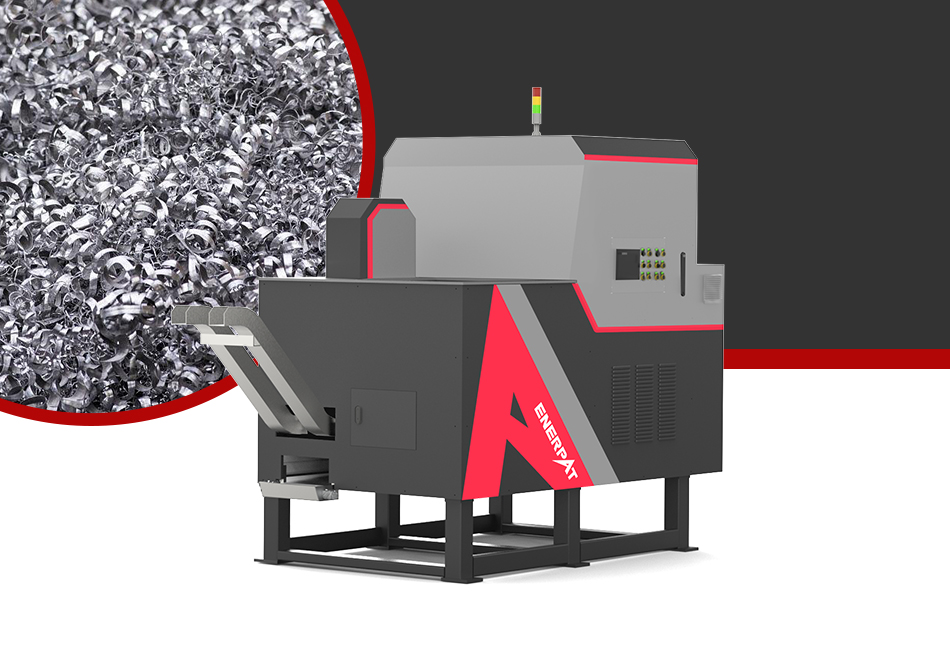
Aerospace and automotive manufacturing generate massive quantities of aluminum scrap from milling and turning operations. Aluminum has a notoriously high volume-to-weight ratio. Loose aluminum chips take up enormous space in standard roll-off dumpsters. They are also highly susceptible to rapid oxidation during the foundry remelting process. When foundries melt loose aluminum chips, a large percentage simply burns off into the atmosphere as smoke. This reduces the actual metal yield and lowers the scrap grade.
Operating a dedicated aluminum briquetting machine solves this burn-off problem. High-density aluminum briquettes sink rapidly through the slag layer and into the furnace melt pool. This immediate submersion prevents surface oxidation. Foundries recover more usable metal per batch. Consequently, they pay a significant premium for briquetted aluminum compared to loose turnings. The increased scrap purchase price directly improves facility margins and offsets the equipment investment.
Plumbing, electrical component manufacturing, and precision machining sectors produce highly valuable copper and brass scrap. These non-ferrous metals carry a high market value per pound. Loose chips present a major security risk. Employees or contractors can easily pocket small amounts of high-value brass or copper swarf without detection. Cross-contamination with other metals in shared bins also degrades their market value instantly.
A specialized copper briquette machine secures this material effectively. It converts loose, easily concealed chips into heavy, traceable blocks. A single copper briquette weighs enough to make it difficult to conceal or remove from the facility unnoticed. Briquetting also isolates the material stream. Processing copper through a dedicated machine prevents accidental cross-contamination with steel or aluminum chips. This guarantees the highest possible purity and secures the top resale grade from scrap brokers.
Steel possesses high tensile strength and resists deformation. Compacting steel scrap requires ultra-high hydraulic pressure ratings. The machine must overcome the metal's natural yield strength to force the particles together. If the pressure is too low, the briquette will crumble upon ejection or during transport. A robust steel swarf briquette machine utilizes oversized hydraulic cylinders and reinforced frames. These components generate the extreme force necessary for structural integrity.
Operators must distinguish between fine steel swarf and long, stringy turnings. Fine swarf flows easily into the press hopper and compacts without issue. Long turnings behave differently. They tangle into massive nests that bridge across the hopper opening. You cannot feed nested turnings directly into a briquetting press. Heavy industrial applications require pre-shredding for long steel turnings. The shredder reduces the turnings to a uniform, flowable chip size before they enter the compaction chamber.
Engine block manufacturing, pump housing production, and heavy equipment machining produce abundant cast iron scrap. Cast iron chips are highly brittle and break apart easily. The machining process generates significant amounts of fine iron dust alongside the larger chips. Airborne iron dust presents severe environmental and respiratory hazards on the shop floor. It settles on machinery ways, causing premature wear on CNC equipment. It also creates poor indoor air quality for machine operators.
An iron chip briquetting machine captures and contains this hazardous dust. The compaction process binds the brittle chips and fine particulates together into a solid mass. This eliminates airborne dust during scrap handling, bin loading, and transport. The resulting dense puck is ideal for foundry remelting. Cast iron briquettes melt efficiently, providing a clean and predictable feedstock for foundries without the dust loss associated with loose iron borings.
| Metal Type | Initial State | Required Pressure Level | Primary Benefit of Briquetting |
|---|---|---|---|
| Aluminum | Light, fluffy chips | Medium | Prevents furnace burn-off and oxidation |
| Copper/Brass | Heavy chips, high value | Medium-High | Theft prevention and purity retention |
| Steel/Stainless | Swarf or long turnings | Ultra-High | Extreme volume reduction and logistics optimization |
| Cast Iron | Brittle chips and fine dust | High | Dust mitigation and respiratory hazard reduction |
The economic framework for briquetting relies on foundry melting dynamics. Foundries pay a premium for dense briquettes because they behave differently in the furnace. Briquettes sink immediately into the molten metal bath. This rapid submersion prevents oxidation. Loose chips float on the surface of the melt pool. They oxidize rapidly when exposed to extreme heat and ambient air. This oxidation turns valuable metal into useless slag, which the foundry must skim off and discard. By providing a metal chip briquetter processed product, you deliver a superior, high-yield feedstock. Foundries reward this quality with higher purchase rates per ton.
Coolant recovery provides immediate and measurable financial returns. Machining fluids represent a major operational expense for any high-volume machine shop. Loose chips carry away gallons of expensive coolant every day in the bottom of scrap bins. A high-pressure press reclaims this lost fluid before it leaves the building. Consider a standard operational scenario. A facility processes five tons of wet aluminum scrap daily. The press recovers 20 gallons of coolant per ton. That equals 100 gallons of reclaimed fluid daily. Multiply that by the cost per gallon of new synthetic coolant. The daily savings quickly offset the equipment investment and reduce purchasing overhead.
Loose metal chips consume massive amounts of floor space. Bins fill up quickly, requiring constant forklift movement to swap full hoppers for empty ones. This traffic creates safety hazards and disrupts production flow. Briquetting achieves a volume reduction ratio between 10:1 and 20:1 depending on the alloy. A pile of chips that once filled ten hoppers now fits into a single standard bin. This reduction optimizes the facility footprint, freeing up space for new production equipment. It drastically reduces forklift traffic in pedestrian zones. It also decreases the frequency of scrap hauler pickups, lowering monthly transportation fees.
Transporting wet, fluid-soaked chips poses severe environmental risks. Fluids can leak from roll-off trucks onto public roadways during transport to the scrap yard. This runoff leads to severe regulatory fines and environmental cleanup liabilities. Processing wet chips into dry briquettes eliminates this hazard entirely. The extracted fluids stay securely inside your facility's containment systems. This proactive approach aids in achieving and maintaining ISO 14001 certification. It aligns perfectly with corporate ESG goals. You transform a hazardous waste liability into a clean, sustainable revenue stream.
Facilities must choose between decentralized and centralized processing architectures. Point-of-source systems involve installing smaller, dedicated presses directly at individual CNC machines or manufacturing cells. This eliminates the need to transport loose chips across the factory floor. It prevents cross-contamination at the source, ensuring pure alloy streams. Centralized systems use one large, high-capacity press for the entire plant. Forklifts or automated drag-chain conveyors transport all scrap to this central hub. Centralized systems offer higher overall throughput but require careful sorting protocols to avoid mixing different alloys in the main hopper.
Sizing the machine correctly ensures smooth operational flow without bottlenecks. You must establish a framework based on actual scrap generation rates. Calculate the pounds or kilograms of scrap produced per hour during peak production shifts. Match this figure against the machine's rated throughput capacity. Also, consider the available floor space. High-capacity machines require larger footprints for infeed hoppers, discharge conveyors, and fluid holding tanks. Ensure your facility layout can accommodate the equipment dimensions and the required clearance for maintenance personnel to access hydraulic panels.
Matching the machine's pressing force to your specific metal is non-negotiable. Pressing force is measured in tons or PSI. Soft metals like aluminum require less pressure to achieve cold welding. Hardened steel and titanium require massive hydraulic force. If the pressure rating is too low for the material, the briquettes will lack density. They will crumble during transport, defeating the purpose of the process. Always verify the machine's pressure capabilities against the yield strength of your toughest scrap material before finalizing equipment specifications.
Equipment ranges from basic standalone units to fully automated processing lines. Standalone units require manual feeding via forklift or operator shoveling. This suits low-volume operations with limited budgets. High-volume facilities require automated systems. These systems feature infeed chip conveyors and tramp metal separators. They also include automated briquette discharge bins and level sensors. Automation reduces labor requirements and ensures continuous, 24/7 operation without manual intervention, keeping the press running alongside automated machining cells.
Evaluate the financial impact by balancing initial costs against ongoing expenses. The initial purchase price represents your CapEx. OpEx includes electrical energy consumption, wear parts replacement, and routine maintenance labor. You must offset these costs against the generated revenue. Calculate the value of reclaimed cutting fluids per month. Add the premium foundries pay for briquetted scrap over loose chips. This combined revenue stream typically justifies the initial CapEx and covers ongoing OpEx, turning the equipment into a profit center.
A briquetting press cannot process everything directly from the CNC machine. Long, nested "bird nests" of wire or turnings will bridge in the hopper. They will jam the feeding mechanism and halt production. You must integrate a shredder or crusher before the press for stringy materials. Additionally, tramp metal poses a severe risk to the equipment. Broken carbide tooling, stray bolts, or wrench heads mixed in the scrap will destroy the press die and punch. You must install magnetic separators to remove ferrous tramp metal before it enters the compaction chamber.
High-pressure compaction generates significant friction and wear on metal components. You must account for consumable components in your operational planning. The die and the punch experience continuous abrasion from the metal chips. They require periodic replacement to maintain briquette density and prevent jamming. Hydraulic fluid degrades over time under high heat and requires scheduled changes. Fluid filters need regular replacement to prevent pump damage. High-volume operations demand strict adherence to maintenance schedules to prevent catastrophic downtime.
Selecting the right vendor is as important as selecting the machine itself. You must evaluate any potential metal briquetting machine manufacturer rigorously. Check the availability of domestic replacement parts to avoid long shipping delays that keep your machine offline. Review their service level agreements for technical support and field technician dispatch times. Assess their custom engineering capabilities for integrating conveyors or shredders into your existing layout. Most importantly, demand pre-purchase material testing. A reputable manufacturer will run your specific scrap through their test machines to prove viability and guarantee briquette density.
A: The volume reduction ratio typically ranges from 5:1 to 20:1. This depends heavily on the specific metal type and the initial size of the loose chips. Light, fluffy aluminum turnings see the highest reduction, while dense steel swarf sees a lower, but still significant, reduction.
A: No. The process relies entirely on extreme hydraulic pressure. This pressure causes mechanical interlocking and cold welding between the metal particles. The briquettes hold their shape permanently without the need for any chemical binders or adhesives.
A: Yes, but it requires careful management. You must adjust the dies and hydraulic pressure settings for different metals. Operators must thoroughly clean the hopper and pressing chamber between runs. This prevents cross-contamination, which degrades the scrap value.
A: Facilities typically see a return on investment within 6 to 18 months. This timeline depends heavily on the volume of scrap processed, the amount of expensive coolant recovered, and the premium foundries are currently paying for briquetted material.
A: It depends on your scrap. Fine chips and granular swarf flow easily and do not need shredding. Long, stringy turnings or "bird nests" absolutely require a shredder. Without pre-shredding, these materials will jam the hopper and prevent automated feeding.
A: High-pressure briquetting presses can squeeze out and reclaim up to 98% of residual cutting fluids. This transforms wet, dripping scrap into nearly dry briquettes, allowing you to route the extracted coolant back into your machining centers.


 English

