

Views: 0 Author: Site Editor Publish Time: 2026-09-15 Origin: Site


The primary logistical bottleneck in high-volume auto recycling is the ratio of material weight to physical volume. Transporting uncompressed vehicle shells severely limits payload efficiency and erodes profit margins. Scrap yards and recycling facilities must maximize transport density. They need to prepare vehicles for shredding without creating operational bottlenecks, excessive maintenance downtime, or safety hazards. Unprocessed vehicle bodies consist mostly of empty space. Shipping them as-is means you are paying freight rates to transport air.
This guide breaks down the mechanical workflow of a car baler machine. It compares this system against alternative solutions like flatteners. We also provide a technical framework for evaluating and selecting the right system for your facility's throughput requirements. Understanding the mechanical sequence of compression helps yard managers optimize staging areas and ensures downstream shredders receive material in the most efficient format possible.
Defining the success criteria for ELV processing requires a hard look at transport economics. You must also factor in valuable material recovery and downstream shredder preparation. A scrap yard operates on margins dictated by weight and volume. If a flatbed truck reaches its physical volume limit before it hits the legal weight limit, the yard loses money on that shipment. Auto recycling equipment bridges this gap. It forces the physical volume of a vehicle to match the maximum weight capacity of your transport logistics.
The journey of an ELV follows a strict sequence. Skipping steps introduces severe safety hazards and mechanical risks. The process begins with intake and inspection. Vehicles then move to depollution racks. Technicians drain all fluids. This includes engine oil, transmission fluid, coolant, brake fluid, and refrigerants. Next comes dismantling and parts harvesting. Workers recover reusable components like alternators, starter motors, and catalytic converters. They also strip incompatible plastics or glass based on downstream buyer requirements.
Once stripped, the vehicle shell moves to the baling or flattening stage. This is where the baler fits into the critical path of yard operations. It consolidates the remaining ferrous and non-ferrous metals. After compression, the dense bales are loaded for transport. They travel to massive regional shredders. These shredders reduce the bales into fist-sized pieces. Finally, magnetic and eddy-current separators divide the ferrous metals from the non-ferrous fluff.
Facilities often debate between flattening and baling. Flatteners compress vehicles vertically. They use a heavy descending lid to crush the car into a flat pancake shape. Flatteners offer faster cycle times and require less site preparation. They yield less dense loads. Flat vehicle bodies take up a larger footprint on a trailer. They are harder to stack securely without shifting during transit.
Balers operate differently. They use multi-directional hydraulic rams to compress the vehicle. The machine folds and crushes the steel into a dense, uniform cuboid. This multi-axis compression achieves much higher density. It optimizes loads for maximum legal transport weights. Many shredding facilities prefer bales over flattened cars. The uniform shape provides a consistent infeed for the shredder rotor, reducing jam risks and power spikes.
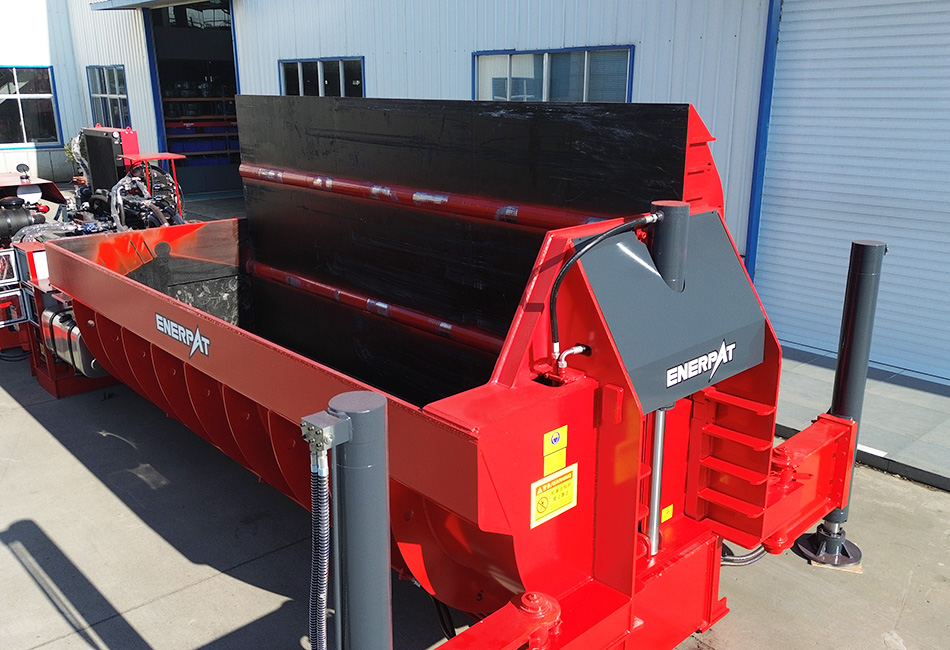
Understanding the mechanical operation of an end of life vehicle baler helps operators maximize throughput. The process relies on extreme hydraulic pressure and precise sequencing. It requires rigorous preparation before the vehicle ever enters the chamber.
You cannot compress a vehicle straight off the street. Mandatory draining of hazardous materials is the first step. Fuel tanks must be punctured and drained. Air conditioning lines must be evacuated. If left inside, pressurized fluids create explosive hazards under hydraulic compression. Batteries must be removed to prevent acid spills and lead contamination.
The dismantling phase targets high-value recovery. Catalytic converters contain precious metals and are removed immediately. Copper wiring harnesses are often pulled. Operational variances dictate how far this dismantling goes. Some yards remove engines, transmissions, and heavy axles. Solid steel components like engine blocks do not compress well. Leaving them inside can damage the baler's internal wear plates or strain the hydraulic rams. Removing them protects the equipment and allows engines to be sold separately as core parts.
Moving the ELV from depollution racks to the baler staging area requires heavy machinery. Yards typically use heavy-duty forklifts or wheel loaders equipped with specialized forks. For higher throughput, operators use tracked material handlers with grapple attachments. These cranes lift the vehicle and drop it directly into the loading hopper.
The mechanics of the loading box dictate the first phase of volume reduction. Once the vehicle is inside, the operator activates the primary lid or side doors. These heavy steel doors fold inward and downward. They crush the roof and sides of the vehicle, forcing it entirely into the main compression chamber. This initial folding action requires massive torque. It breaks the structural integrity of the vehicle's pillars and frame rails.
With the chamber sealed, the primary compression sequence begins. Most commercial units use 2-ram or 3-ram systems. A longitudinal ram pushes the material forward. A secondary ram compresses it from the side. Extreme hydraulic pressure drives these rams. Forces often exceed 150 to 200 tons per cylinder.
This multi-axis pressure folds the high-strength steel chassis. It collapses the empty voids within the trunk, cabin, and engine bay. The metal folds over itself, interlocking the jagged edges. This consolidation yields a solid scrap car bale. The PLC (Programmable Logic Controller) monitors hydraulic pressure during this phase. It automatically adjusts flow rates to prevent pump stalling when the rams hit dense pockets of material.
Once the final dimension is reached, the compression rams hold their position briefly. The discharge door opens. The main ram then extends fully, acting as an ejection mechanism. It pushes the finished bale out of the chamber and onto a staging platform or directly onto the ground.
Handling and stacking protocols are critical here. Forklifts move the uniform cuboids into neat stacks. Because the bales have flat sides, they stack securely on flatbed trailers or inside shipping containers. This uniform shape directly improves the efficiency of downstream shredders. When a shredder receives a dense, compact bale, the feed rollers can grip it evenly. The hammer mill reduces the bale into fist-sized pieces smoothly, optimizing the final magnetic separation process.
Selecting the right equipment depends entirely on your yard's layout and volume. Manufacturers design machines for different operational models. You must match the machine's architecture to your logistical reality. The primary decision is between fixed infrastructure and mobility.
Stationary units are bolted to the ground. They are best for high-volume, centralized processing facilities. These yards receive hundreds of vehicles weekly and process them in a single, dedicated location. A stationary car body baler offers massive advantages in sheer power.
They feature larger chamber sizes, accommodating full-size trucks and vans without pre-cutting. They often utilize high-efficiency electric power units. Electric motors provide consistent torque, operate quietly, and eliminate diesel emissions. This lowers the per-ton processing costs significantly. The limitations are strict. They require significant site preparation. You must pour thick concrete pads to handle the vibration and weight. You also need heavy electrical routing to supply three-phase power. Once installed, they have zero mobility.
Mobile units solve the problem of dispersed inventory. They are best for hub-and-spoke recycling operations, contractors, and yards with multiple locations. Instead of paying to tow unbaled cars from satellite yards to a central hub, you bring the machine to the cars.
A mobile car baler is mounted on a heavy-duty trailer. These are often roll-on/roll-off frames or highway-legal chassis with axles and air brakes. They are powered by onboard diesel generators, making them completely independent of grid power. This eliminates the need to transport unbaled cars between sites. The limitations include slightly restricted chamber sizes to meet highway width regulations. They introduce diesel engine maintenance overhead and require time for setup and teardown at each new site.
Looking at a brochure is not enough. You must understand the engineering behind the specifications. A reputable car baler manufacturer will provide detailed technical data. You need to know how to interpret these numbers to ensure the machine can handle modern, high-strength vehicle frames.
Tonnage specifications indicate the maximum pushing force of the hydraulic cylinders. Modern vehicles use advanced high-strength steels (AHSS) in their pillars and frames. A machine with low tonnage will stall against these frames. You need high pressure to break the structural memory of the steel.
Cycle times dictate your daily volume. Evaluate dry cycle times versus actual operational cycle times. A dry cycle time is how fast the machine runs empty. Actual cycle time includes forklift staging, crane loading, and bale ejection. If a machine has a 90-second dry cycle but your crane takes 3 minutes to load a car, your actual throughput is bottlenecked by your yard logistics, not the machine.
The loading box dimensions must match the average size of your incoming ELVs. If the chamber is too short, operators must spend time pre-cutting or crushing vehicles with an excavator before loading. This wastes labor and fuel.
Calculate realistic tons-per-hour (TPH) or cars-per-hour metrics. Base these calculations on your specific yard logistics. Consider the time it takes to clear the staging area and stack the finished bales. A machine rated for 20 cars per hour will only achieve that if your material handlers can feed it continuously without interruption.
| Specification Category | Stationary Units | Mobile Units | Operational Impact |
|---|---|---|---|
| Power Source | Three-Phase Electric | Onboard Diesel Engine | Determines emissions, noise levels, and grid dependency. |
| Chamber Size | Large (Fits SUVs/Trucks) | Restricted (Highway Legal) | Affects the need for pre-crushing or cutting oversized vehicles. |
| Installation | Concrete Foundation | Hydraulic Outriggers | Dictates site preparation requirements and deployment speed. |
| Throughput | Highest (Continuous Duty) | High (Batch Processing) | Impacts maximum daily volume and yard clearing speed. |
The choice between diesel and electric power units defines your daily operational routine. Diesel engines offer total autonomy. They are ideal for remote yards. They require strict adherence to Tier 4 compliance standards. You must monitor fuel consumption rates, change oil, and maintain particulate filters.
Electric motors require a massive initial infrastructure setup. You need adequate grid capacity. Once installed, they offer lower maintenance. They have fewer moving parts than a diesel engine. They produce zero local emissions, which is critical for indoor operations or yards located near residential zones.
Scrap metal is highly abrasive. The inside of the compression box takes massive abuse. Assess the thickness and material grade of the compression box liners. Industry leaders use Hardox steel or equivalent abrasion-resistant plates. These plates must be bolted or welded securely but remain replaceable.
Check the availability of replacement parts. Ask about the manufacturer's Service Level Agreements (SLAs). If a main cylinder seal blows, you need to know how fast a replacement can reach your yard. Downtime in scrap processing directly halts revenue generation.
Buying the equipment is only the first step. Operating a scrap car baler safely and efficiently requires strict protocols. You must manage maintenance overhead, enforce safety standards, and prepare your site properly.
Hydraulic systems demand respect. The reality of hydraulic maintenance involves constant vigilance. You must manage fluid filtration meticulously. Contaminated hydraulic oil destroys pumps and scores cylinder walls. Implement strict micron filtration standards.
Conduct daily hose inspections. Look for weeping fittings or chafed lines. Cylinder seal replacements are inevitable, but their frequency depends on how clean you keep the oil and the rods. Establish a preventative maintenance schedule. Schedule downtime for filter changes and wear plate rotations. This avoids catastrophic mid-season failures when scrap prices are high and you need maximum throughput.
Heavy machinery poses severe risks. Implement strict lockout/tagout (LOTO) procedures for any maintenance work. Operators should never enter the compression chamber unless the power unit is physically locked off and hydraulic pressure is bled down.
Many modern units feature remote control operation. This allows the operator to stand in a safe zone or remain inside the cab of the material handler while cycling the machine. Manage the risk of hidden hazards in ELVs. Undeployed airbags and hidden pressurized cylinders can rupture violently under compression. Thorough pre-processing is your best safety defense.
Site layout dictates operational flow. For stationary units, assess the ground bearing pressure. A machine weighing 40 tons, applying 200 tons of dynamic force, requires a heavily engineered concrete foundation. If the pad cracks, the machine will fall out of alignment, causing cylinder wear.
Space requirements extend beyond the machine's footprint. You need safe loading zones. Calculate the crane swing radii to ensure excavators do not hit yard structures. Designate clear areas for bale staging. Ensure there is adequate truck turnaround space for flatbeds arriving to load the finished bales.
A: A flattener crushes a vehicle vertically into a flat sheet. This is faster but yields lower density. A baler uses multi-directional hydraulic rams to compress the vehicle from the top, sides, and ends. This creates a dense, uniform cuboid that maximizes transport weight and is preferred by downstream shredders.
A: Processing speeds depend on the machine's hydraulic cycle time and yard logistics. Standard commercial units typically process between 15 and 30 vehicles per hour. Actual throughput relies heavily on how fast your material handlers can load the chamber and clear the finished bales.
A: Yes. Tires must be removed because they cause bales to spring apart and are rejected by many shredders. Engines and heavy transmissions should also be removed. Solid cast iron blocks do not compress well and can severely damage the machine's internal wear plates and shear blades.
A: Baling improves downstream efficiency. Shredders process uniform, dense bales more smoothly than loose or flattened cars. The consistent density prevents shredder jams and power spikes. This allows the hammer mill to efficiently reduce the metal into fist-sized pieces for optimal magnetic separation.
A: Dimensions vary by machine, but a typical car bale measures roughly 3 feet by 2 feet by 4 feet. Depending on the original vehicle and the extent of pre-dismantling, the finished bale usually weighs between 1,500 and 2,500 pounds. This offers exceptional density for transport.
A: Hydraulic systems require rigorous preventative maintenance. Operators must strictly monitor fluid cleanliness using micron filters. Daily tasks include inspecting hoses for leaks or chafing, checking fluid levels, and monitoring operating temperatures to protect the main pumps and cylinder seals from premature failure.


 English

