

Views: 142 Author: Site Editor Publish Time: 2026-09-01 Origin: Site


High market value defines copper scrap, but realizing that value depends entirely on how efficiently you package and transport the material. Inadequate baling equipment forces recycling facilities to ship empty space. Low-density bales waste container payload capacity, driving up freight expenses and eroding profit margins. Manual handling of loose wire inflates labor hours. Processing high-tensile copper tubing through undersized machines accelerates structural wear and hydraulic failure. You need a structured evaluation framework to solve these operational bottlenecks. Selecting the right copper scrap baler requires aligning machine capabilities with your facility throughput, material grade variations, and long-term capital expenditure goals. This guide provides the technical criteria needed to evaluate capacity, compression force, and mechanical reliability. You will learn how to match machine specifications to specific copper grades, optimize bale density for maximum shipping weight, and integrate automation to reduce processing time.
Material Matching is Critical: Selecting between a standard metal scrap baler and specialized equipment depends entirely on the copper grade (e.g., #1 bare bright wire, copper tubing, or fine turnings).
Density Dictates Profitability: The right hydraulic baling press must achieve specific bale densities to maximize payload limits for standard shipping containers and meet mill-ready specifications.
Compression Technology Matters: Utilizing advanced multi-ram or three-way compression systems is often required to overcome copper's memory and spring-back.
Discharge and Automation Impact Throughput: Choosing between turn-out, push-out, and forward-out discharge methods—alongside channel-type automation—directly affects cycle times and required labor.
Investing in a copper recycling machine must yield measurable operational improvements on the yard floor. Success centers on three primary objectives. First, you must maximize payload weight per container. Hitting the maximum legal weight limit reduces the total number of freight shipments required. Shipping a container at 40,000 pounds instead of 25,000 pounds drastically cuts transportation overhead. Second, dense compaction minimizes oxidation exposure. Tightly packed copper retains its grade and commands better pricing from smelters. Loose material degrades faster when exposed to the elements. Third, the equipment must reduce labor hours per ton processed. Automated feeding and tying cycles eliminate the need for manual material handling. Operators can stay in their loaders rather than manually wrestling with wire bundles.
Copper scrap arrives in multiple forms, and each demands a specific compression strategy. Bare bright wire tangles easily and exhibits significant spring-back. Heavy copper pipe resists initial crushing and requires high shear force to break the structural cylinder. Copper sheet folds but can trap air pockets, leading to spongy bales. Granules and turnings flow like liquid under pressure and resist binding entirely. You must apply the correct pressing force from multiple angles to prevent material memory from expanding the bale after ejection.
Lower grades of copper introduce additional challenges. Number 2 copper wire often contains insulation remnants or heavy oxidation. Insulation does not bind well under pressure and requires higher sustained tonnage to force the copper strands to interlock around the plastic debris. Copper chops from wire granulation lines behave similarly to sand. If you attempt to press chops in a standard baler, the material simply extrudes through the gaps between the ram and the chamber walls, jamming the machine.
Copper Scrap Type | Physical Characteristics | Baling Challenge | Recommended Equipment Approach |
|---|---|---|---|
#1 Bare Bright Wire | High tensile strength, extreme memory | Spring-back after ejection breaks standard ties | Three-way compression to lock material memory |
Heavy Copper Tubing | Rigid, thick-walled, bulky | Requires massive initial crushing force | Lid-type baler with high-tonnage shear blades |
Copper Sheet & Roofing | Flat, prone to trapping air | Creates spongy, low-density bales | Multi-ram press with extended dwell times |
Fine Turnings & Granules | Loose, flows under pressure | Slips through standard ram clearances | Briquetting press to fuse material solid |
Deploying an undersized or poorly matched machine introduces severe hidden costs. A baler lacking sufficient compression force leaves voids inside the bale. These voids reduce overall density, forcing you to ship lighter containers. The physical logistics of moving low-density bales around the yard also drain resources. A forklift operator spends twice as much time loading a truck if the bales weigh half of what they should.
Pushing a light-duty machine beyond its rated capacity causes frequent hydraulic overheating. Constant thermal stress degrades hydraulic fluid, ruins cylinder seals, and leads to catastrophic pump failure. Processing heavy copper pipe in a machine designed for thin aluminum leads to structural fatigue. Frame cracking and shear blade damage result in extended downtime. Equipment failure halts yard operations and creates massive material backlogs. You end up paying overtime to clear the yard once the machine is finally repaired.
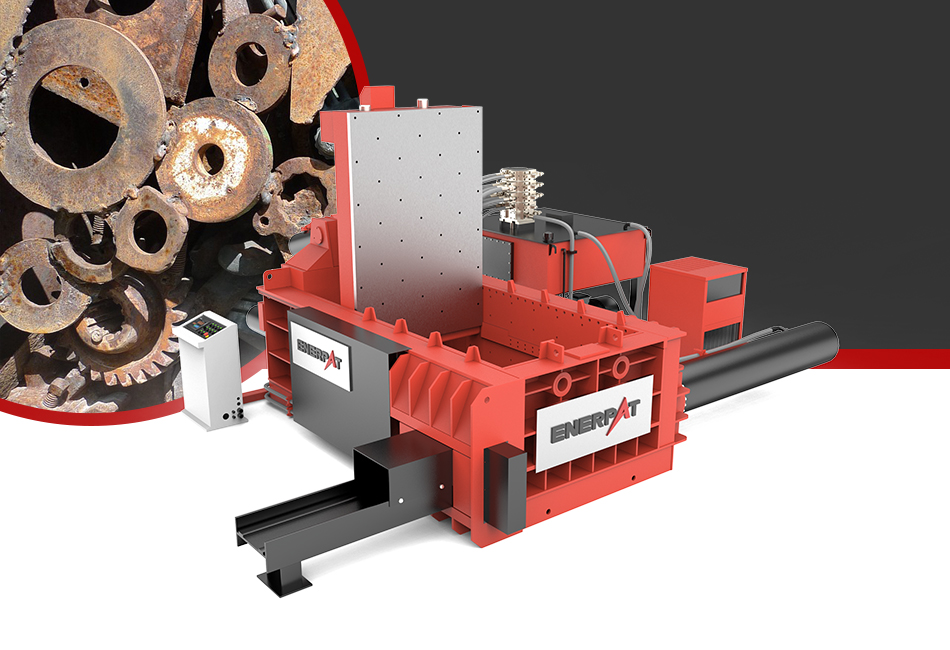
Equipment architecture determines feeding efficiency and pre-processing needs. Lid-type balers feature a heavy, hydraulically actuated top door. This lid acts as a pre-compression tool. It crushes bulky, rigid scrap like heavy copper pipes and thick wire bundles down into the main chamber. As the lid closes, integrated shear blades cut off any overhanging material, ensuring a clean press. This design handles rough, oversized scrap exceptionally well without requiring operators to manually cut the material down to size.
Hopper-type balers utilize an open-top design. They excel at continuous, automated feeding. Conveyors drop loose wire directly into the hopper. The machine cycles automatically once the chamber fills, using a photo-eye sensor to trigger the ram. Hopper designs reduce cycle times for uniform materials but struggle with oversized, rigid pipes that require pre-crushing. If you feed heavy pipe into a standard hopper baler, it will jam the ram and require manual clearing.
Standard single-ram machines push material against a fixed wall. They work adequately for low-memory metals like thin aluminum or light steel siding. However, copper possesses high tensile strength. A single ram often fails to overcome copper's natural spring-back. When the ram retracts, the copper expands, resulting in loose bales that fall apart during transport.
Multi-ram and three-way compression systems solve this problem entirely. A three-way baler presses the scrap from the top, the side, and the front. The sequence is precise. First, the lid closes to provide vertical compression. Second, the side ram compresses the material into a narrow log. Third, the main longitudinal ram pushes the log against the discharge door. This multi-axis compression forces the copper into a dense, interlocking block. Pressing from three directions eliminates internal voids and locks the bale shape permanently. This ultra-high density is mandatory for achieving maximum shipping weights with copper scrap.
Facility layout and processing volume dictate the machine orientation. Vertical balers occupy a minimal footprint. They suit low-volume yards processing occasional copper loads. Operators feed material manually, making them labor-intensive. You cannot load a vertical baler with a grapple excavator, which limits your daily throughput. Operators must also tie the bales manually with wire while the ram holds pressure, exposing them to safety risks.
Horizontal balers deliver high throughput for large-scale operations. They accept continuous feeding via heavy-duty steel conveyors or loaders. Channel-type horizontal balers feature continuous extrusion. The machine pushes the compressed material through a restricted channel, building density through friction. These auto-tie machines wrap the bale with steel wire automatically using inserter needles and twister hooks. A hydraulic baling press designed for copper requires a heavily reinforced frame to withstand the extreme density compared to standard steel or aluminum processing. The side walls must be thicker, and the floor plates must resist severe abrasion.
Baling fails when processing fine copper shavings, dust, or granulated wire. These materials slip through the clearances of standard baler rams, accumulating behind the press block and scoring the cylinder rods. For these materials, you need a copper briquette machine. Briquetting applies immense hydraulic pressure to fuse loose fines into solid, dense pucks without using any chemical binders.
Briquetting provides a distinct metallurgical advantage at the foundry. Loose copper turnings float on the surface of a smelting furnace. They oxidize rapidly, resulting in significant melt loss and toxic smoke. Solid copper briquettes sink directly into the melt pool. This reduces oxidation, increases metal recovery rates, and maximizes the final payout from the smelter. Foundries pay a premium for briquetted copper because it yields more usable metal per ton.
Evaluating cylinder size and system pressure is critical for yard operators. A 100-ton compression force might handle thin copper wire, but heavy copper tubing demands 300 tons or more. Higher tonnage overcomes the structural resistance of thick-walled scrap. You must calculate the required bale dimensions and density to hit maximum legal freight limits. If a standard shipping container holds 40,000 pounds, your bales must reach a specific pounds-per-cubic-foot density to reach that weight before filling the physical volume of the container.
Hydraulic pressure settings determine the actual force delivered to the material. A large cylinder operating at 3000 PSI generates more pressing tonnage than a smaller cylinder maxed out at 4000 PSI. Smelters dictate mill-ready specifications. Producing uniform, standardized bales allows smelters to feed material directly into their furnaces without secondary processing. Consistently meeting these dimensional and density standards allows you to command premium pricing. If your bales are too large for the furnace door, the smelter will charge you a processing fee to break them down.
The method used to eject the finished bale dictates your workflow and cycle time. You must select a discharge mechanism that aligns with your yard layout and material handling equipment.
Discharge Type | Mechanism Description | Primary Advantages | Best Suited For |
|---|---|---|---|
Turn-out (Side-eject) | A secondary hydraulic cylinder flips the finished bale out over the side of the chamber. | Keeps the front of the machine clear. Excellent for space-constrained yards. | Compact facilities utilizing Y81-series configurations. |
Push-out (Front-eject) | The main ram pushes the bale straight out the front door of the baler. | Faster cycle times. Allows the next load to be staged immediately behind the ram. | High-volume yards processing uniform copper wire. |
Forward-out | Pushes the bale through a continuous channel or onto an automated exit ramp. | Seamless integration with downstream handling equipment. Zero manual intervention. | Fully automated, continuous-feed recycling plants. |
Programmable Logic Controllers (PLCs) govern modern compression cycles. A PLC monitors hydraulic pressure, ram position, and oil temperature in real time. It optimizes the pressing sequence to reduce cycle times and prevent motor strain. If a jam occurs, the PLC automatically reverses the ram to clear the obstruction before trying again. Laser positioning sensors track the exact location of the press block, allowing the software to calculate bale length dynamically.
Automation extends beyond the press itself. Integrating automated feeding systems drastically reduces manual labor. Heavy-duty steel conveyors, magnetic separators to remove ferrous contaminants, and grapple loaders keep the machine fed constantly. Auto-tie mechanisms on channel balers eliminate the need for operators to manually thread and tie steel binding wire, removing a major safety hazard from the floor.
Never purchase a machine based solely on today's volume. Audit your current tons-per-hour (TPH) processing rate. Track your peak delivery days, not just your weekly averages. Once you establish your baseline TPH, add a 20-30% capacity buffer. This buffer accommodates seasonal volume spikes and anticipated business growth. It allows you to secure new commercial demolition contracts without immediately requiring a larger metal scrap baler. Running a machine at 70% capacity extends its operational lifespan significantly compared to running it at 100% capacity constantly. Pushing a machine to its absolute limit every day guarantees premature component failure.
Baling copper inflicts severe wear on internal components. You must identify which parts degrade fastest and plan for their replacement. Liner plates inside the compression chamber bear the brunt of the friction. These plates must be manufactured from high-abrasion materials like Hardox 500 or AR-grade steel. Standard mild steel plates will groove and warp within months. Shear blades, which cut overhanging copper pipes as the lid closes, require regular sharpening and eventual replacement. Dull blades force the hydraulic system to work harder, spiking oil temperatures. Hydraulic seals degrade over time due to heat and pressure spikes, leading to internal fluid bypass and loss of pressing force.
Energy consumption impacts operational overhead directly. Modern hydraulic systems utilize variable frequency drives (VFDs). A VFD adjusts the motor speed based on the immediate power demand. It idles the motor during loading and ramps up power only during the high-pressure compression stroke. This technology reduces electricity consumption and minimizes heat generation within the hydraulic fluid. Cooler fluid extends the life of your pumps and seals. High-volume yards processing copper continuously often require dedicated water-chilled cooling systems to keep hydraulic oil below 140 degrees Fahrenheit.
Inspect hydraulic hoses daily for weeping fluid or exposed wire braid.
Grease all pivot points, cylinder trunnions, and door hinges at the start of every shift.
Check the gap clearance between the shear blades weekly to ensure clean cutting action.
Sample hydraulic fluid quarterly to test for particulate contamination and water ingress.
Replace return line filters every 500 operating hours to protect the main pumps.
Equipment reliability depends heavily on the manufacturer's support infrastructure. When vetting a scrap metal recycling supplier, demand transparency regarding replacement parts. Ensure critical components like PLC modules, hydraulic valves, and shear blades are stocked domestically. Waiting weeks for overseas shipping halts production and costs you thousands in lost revenue.
Modern equipment should feature remote diagnostic capabilities. This allows the manufacturer's engineers to log into your PLC via a cellular connection to troubleshoot sensor faults or software errors instantly. Scrutinize the warranty terms covering the structural frame and hydraulic cylinders. Finally, require reference sites. Speak directly with facility managers currently using the specific machine model to process similar copper grades. Ask them about real-world cycle times and unexpected maintenance issues.
Installing heavy machinery requires comprehensive spatial planning. The physical footprint of the baler represents only a fraction of the required space. You must allocate dedicated zones for staging loose incoming scrap. Forklifts and grapple excavators require wide swept paths for safe maneuverability. You also need designated areas for stacking and storing finished bales prior to shipping. Poor workflow logistics create bottlenecks that negate the speed of a new machine. If your loader operator has to drive 200 feet to grab material, a fast baler cycle time means nothing.
Industrial balers draw massive electrical current, especially during motor startup and peak compression strokes. Inadequate electrical infrastructure poses a severe implementation risk. Verify that your facility supplies stable three-phase power. Consult an industrial electrician to calculate potential voltage drops. Upgrading transformers or running new heavy-gauge wiring across a large yard requires significant lead time and planning. Specify soft-start motors or star-delta starters to prevent massive inrush currents that can trip main facility breakers during startup.
High-pressure hydraulic equipment presents inherent workplace hazards. Ensure the machine includes comprehensive safety features. Light curtains must guard open feeding areas, instantly halting the ram if an operator reaches inside. Emergency stop buttons must be accessible from all angles. Interlocking guards must prevent the machine from cycling if maintenance panels remain open. Vendor-provided operational training is mandatory. Proper training prevents machine misuse, reduces wear, and ensures operators understand lockout/tagout procedures during maintenance. Never allow untrained personnel to operate or clear jams from a baling press.
Selecting the optimal copper baling equipment requires balancing material-specific compression capabilities with facility throughput requirements. You must deploy a machine capable of overcoming copper's high tensile strength, utilizing multi-axis pressing to achieve maximum shipping density. Reliable vendor support ensures the equipment maintains peak performance through years of heavy industrial use. Narrow your options by defining your primary copper grade and your target bale density. Filter available models by their tons-per-hour capacity, automation features, and preferred discharge type. Do not compromise on structural steel quality or hydraulic cooling capacity.
Take the following steps to finalize your equipment selection:
Conduct a comprehensive facility audit to determine your exact peak tonnage and available electrical infrastructure.
Define your target bale dimensions and density based on your primary smelter's purchasing requirements.
Request a live material baling test from shortlisted manufacturers using your specific copper scrap.
Evaluate the availability of domestic replacement parts and remote diagnostic support.
A: The ideal density maximizes shipping container weight limits without exceeding legal road restrictions. You typically aim for 120 to 150 pounds per cubic foot, depending on the specific copper grade. Achieving this density ensures you ship maximum metal weight rather than empty space, directly increasing freight efficiency.
A: Standard balers often struggle with copper. Copper possesses higher tensile strength and memory than aluminum or light steel. Processing copper requires higher shear strength to cut thick pipes and greater compression force to prevent the material from springing back and breaking the bale ties.
A: A three-way baler utilizes three separate hydraulic rams to press scrap from the top, side, and front. This multi-axis compression eliminates internal air voids. It creates the ultra-dense, structurally sound bales required for high-memory metals like heavy copper wire and tubing.
A: Required force depends on the material. Thin, loose copper wire can be baled effectively with 100 to 150 tons of force. Heavy copper tubing, thick plates, and large wire bundles typically require 250 to 400 tons of compression force to crush the material and lock the bale shape.
A: A baler compresses long, interlocking materials like wire, pipe, and sheet into large rectangular blocks. A briquette machine uses extreme pressure to fuse fine, loose materials like copper turnings, shavings, and granules into small, solid pucks without using binding agents.
A: A well-maintained industrial press can last 15 to 20 years. Lifespan depends heavily on adherence to maintenance schedules. Regularly replacing Hardox liner plates, changing hydraulic fluid, and replacing cylinder seals prevents catastrophic structural or hydraulic failures.
A: Daily maintenance includes visual inspections for hydraulic leaks and greasing all moving pivot points. Operators must monitor hydraulic fluid temperature and levels. Periodic maintenance involves sharpening or replacing shear blades, cleaning heat exchangers, and replacing worn internal liner plates.


 English


