

Views: 0 Author: Site Editor Publish Time: 2026-09-15 Origin: Site


Transporting uncompressed end-of-life vehicles (ELVs) creates a massive logistical bottleneck in the auto recycling industry. It destroys profit margins due to wasted trailer space. Scrap yard managers and recycling facilities face a constant operational balancing act. You must weigh the capital expenditure of heavy-duty processing equipment against ongoing hurdles like yard space limitations, inefficient freight, and strict downstream shredder requirements. Moving hollow steel shells across the country simply does not make economic sense in a high-volume operation.
Investing in the right car baler transforms vehicle processing economics. It maximizes payload density and offers the versatility to process other large metal parts efficiently. By compressing bulky vehicles into dense, uniform blocks, yards can optimize every outbound truckload. This guide breaks down the technical evaluation, equipment variations, and implementation realities required to make an informed procurement decision for your facility.
At its core, a car baler machine is a heavy-duty hydraulic press engineered specifically to destroy the structural integrity of automotive frames. Unlike vertical balers used for cardboard or plastics, these horizontal machines do not require binding wires to hold the finished product together. The immense hydraulic pressure folds and crushes the steel onto itself. This creates an interlocking mass of metal that retains its shape permanently. The structural steel of the compression box is lined with high-tensile wear plates. These plates withstand the continuous abrasion of crushing metal day after day.
The compression cycle follows a precise, multi-stage operational flow. We see this sequence repeated hundreds of times a week in busy yards:
The physical characteristics of the output directly benefit downstream shredding and smelting operations. The machine produces dense, uniform steel cuboids. Shredder operators prefer this uniform density. It provides a consistent feed rate into their hammer mills. This prevents power spikes, reduces hammer wear, and stops equipment jams. Smelters also appreciate the density. It allows for more efficient melting with less energy loss compared to melting loose, airy scrap.
Processing versatility remains one of the strongest arguments for this equipment. A high-quality machine easily handles complete vehicles, partially dismantled shells, and other large metal parts. Operators frequently use downtime between vehicle loads to process white goods, aluminum siding, and loose mixed scrap. This flexibility turns a single piece of heavy equipment into a multi-purpose asset. It handles diverse scrap streams across the entire yard, keeping the machine running and generating revenue even when car volume dips.
Car flatteners serve a specific purpose in the auto recycling ecosystem. They fit lower-volume yards or operations prioritizing lower initial capital expenditure. The mechanical design of a flattener is generally simpler than a baler. It relies on a single vertical crushing motion. This simpler mechanism translates to easier mechanical maintenance. You deal with fewer complex hydraulic manifolds and directional valves. For yards processing a limited number of vehicles per week, a flattener provides a functional entry point into scrap densification.
However, flatteners come with significant logistical limitations. They produce less dense "pancaked" vehicles. A flattened car is typically 10 to 12 inches thick but retains its original length and width. This footprint requires more trailer space compared to baled cubes. You can only stack a limited number of flattened cars on a flatbed trailer before hitting height restrictions. This often leaves thousands of pounds of legal payload capacity completely unused. Furthermore, flattened cars are less optimal for direct-to-mill processing. This limits your potential buyer network and forces you to sell to middlemen.
High-volume ELV processing requires a completely different logistical approach. Maximizing outbound freight weight and minimizing your yard footprint become essential for profitability. A scrap car baler is necessary for operations that need to move massive amounts of metal quickly and efficiently. By reducing a 15-foot vehicle into a compact cube, yards can reclaim valuable acreage previously lost to sprawling scrap piles. You can stack these cubes five or six high safely, maximizing vertical storage space.
The primary advantage lies in freight optimization. The machine produces highly dense, stackable cuboid packages. You can load dozens of these cubes into a high-sided gondola trailer. This lets you easily hit the maximum 80,000-pound gross vehicle weight limit on every single outbound truck. This efficiency cuts the number of required freight trips in half. Additionally, these dense bales meet strict shredder feed requirements. They often command premium pricing from downstream buyers who value the consistency.
Analyzing the break-even point requires looking at operational realities. The higher upfront cost and maintenance complexity of baling equipment must be weighed directly against long-term freight savings. When you maximize trailer weight, your transportation cost per ton drops dramatically. Combine this freight efficiency with the premium pricing offered for dense scrap and the added revenue from processing diverse metal streams. The higher capital expenditure is quickly justified for high-volume operators.
| Evaluation Criteria | Car Flattener | Car Baler |
|---|---|---|
| Output Shape | Flattened, wide "pancake" | Dense, uniform cuboid |
| Freight Efficiency | Low (maxes out trailer height before weight) | High (maximizes legal trailer weight) |
| Maintenance Complexity | Simpler vertical hydraulics | Complex multi-directional hydraulics |
| Downstream Preference | Acceptable for some shredders | Highly preferred by major shredders and mills |
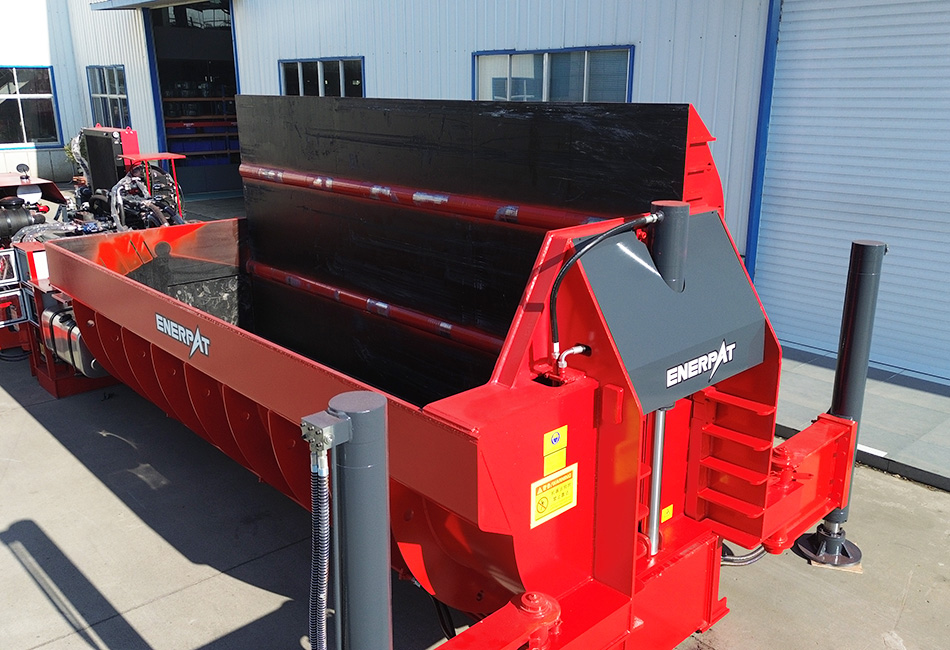
High-throughput, centralized processing facilities rely heavily on stationary installations. A permanently installed car body baler offers the highest hydraulic force available on the market. Because weight and size are not restricted by highway towing regulations, manufacturers can equip these machines with massive hydraulic cylinders and oversized electric motors. This results in the fastest cycle times and the highest density bales possible. You can process continuous streams of material without worrying about engine overheating or fuel consumption.
The primary evaluation dimension for stationary units is infrastructure commitment. They require significant permanent site preparation. You must pour thick, reinforced concrete foundations to absorb the immense kinetic energy and vibration generated during the crushing cycle. You also need a dedicated high-voltage electrical supply, often requiring custom transformers from the local utility company. The main trade-off is geographic limitation. All scrap must be transported to this single location for processing.
Multi-yard operations, remote clean-up projects, and facilities with limited permanent space demand flexibility. A mobile car baler provides heavy-duty processing power without the permanent infrastructure requirements. These units allow operators to utilize a hub-and-spoke business model. You can move the machine between different feeder yards rather than paying to transport loose, uncompressed cars to a central hub. This drastically reduces internal freight costs.
When evaluating mobile units, focus on setup time and transportability. They typically come in roll-on/roll-off configurations or are permanently mounted on heavy-duty DOT-approved trailers. Power sources usually consist of onboard diesel engines. This makes them completely self-sufficient in remote locations. The primary trade-off involves capacity. To remain street-legal for towing, mobile units often feature slightly smaller compression chambers and lower overall hydraulic force compared to their stationary counterparts. You also have to factor in diesel fuel costs and engine maintenance.
Some operations supply mills and shredders that specifically require "logs" rather than dense cubes. A car logger baler is engineered to meet this exact specification. Instead of crushing the vehicle into a tight, interlocking square, the machine folds and compresses the metal into a longer, slightly looser rectangular log.
The evaluation here focuses entirely on downstream processing capabilities. Certain types of hammer mills and shredders struggle to tear apart highly dense cuboids. This leads to excessive wear on their internal components and frequent hammer replacements. A logger balances material density for freight efficiency with the specific tearing requirements of these shredders. It ensures the yard maximizes trailer weight without alienating buyers who cannot process solid cubes.
The raw power of the machine dictates its overall effectiveness. Hydraulic force is measured in tons of cutting and pressing pressure. High pressing force ensures the machine can easily crush reinforced truck frames and dense mixed scrap without stalling. Cycle time, measured in seconds, dictates your maximum daily throughput. Faster cycles reduce operator idle time. When the grapple operator does not have to wait long for the chamber to clear, labor efficiency skyrockets. Daily production volumes increase significantly. You want a machine that keeps pace with your fastest material handler.
The dimensions of the compression box determine your operational workflow. A large chamber accepts complete, full-sized trucks and SUVs without any issue. This allows the grapple operator to drop the vehicle in and immediately start the cycle. Smaller chambers may require operators to partially dismantle vehicles. They might need to use the grapple to pre-crush the roof before the lid can close. Larger chambers drastically reduce pre-processing labor and easily accommodate bulkier, awkward pieces of mixed scrap.
Control systems directly impact daily production rates. Basic machines utilize manual valve operation. This requires the operator to hold levers for each stage of the cycle. It demands constant attention and prevents the operator from staging the next load. Programmable Logic Controller (PLC) automation changes the dynamic entirely. With automated cycles, the operator presses a single button to initiate the crush. The PLC manages the hydraulic sequencing perfectly every time. This allows the grapple operator to stage the next vehicle while the machine works. It effectively doubles operational efficiency and reduces human error.
| Technical Feature | Standard Specification Range | Operational Impact |
|---|---|---|
| Hydraulic Force | 150 to 400+ Tons | Determines ability to crush heavy frames without stalling. |
| Cycle Time | 60 to 120 Seconds | Directly impacts maximum daily vehicle throughput. |
| Chamber Length | 10 to 20+ Feet | Dictates if pre-cutting or partial dismantling is required. |
| Control System | Manual Valves vs. PLC | Automated PLCs free up operators to stage the next load. |
Underestimating the foundation requirements for stationary units is a major risk. These machines exert tremendous downward and lateral forces during the compression cycle. Placing a stationary unit on a standard concrete slab will lead to structural cracking, ground subsidence, and severe machine misalignment. Misalignment causes uneven wear on hydraulic cylinders and can destroy the structural frame of the baler.
To mitigate this risk, conduct thorough geotechnical surveys before installation. Pour manufacturer-specified reinforced concrete pads. These pads often require 18 to 24 inches of high-PSI concrete reinforced with a dense grid of heavy-gauge rebar. Additionally, ensure adequate 3-phase electrical supply is available at the installation site. This handles the massive amperage draw of the hydraulic pump motors upon startup.
Unplanned downtime kills yard profitability. Hydraulic failures, blown hoses, or worn liner plates are inevitable in tough working conditions. Metal-on-metal abrasion inside the compression chamber will eventually wear down the steel surfaces. If a machine goes down, a backlog of unprocessed vehicles quickly consumes available yard space. Cold weather operations also pose a risk, as thick hydraulic fluid can cause pump cavitation if not properly warmed up.
Implement strict preventative maintenance schedules to mitigate downtime. Evaluate machines before purchase based on the accessibility of hydraulic manifolds and grease points. Look for equipment that utilizes replaceable, high-tensile wear plates made from industry-standard materials. Easy access to these wear plates ensures your maintenance team can swap them out quickly during scheduled downtime. This prevents the need to cut and weld structural steel. Install hydraulic tank heaters if operating in freezing climates.
Even after thorough depollution, residual vehicle fluids will squeeze out during the high-pressure baling process. Soil contamination from oil, coolant, and brake fluid is a serious environmental risk. It can lead to massive fines from environmental protection agencies. Furthermore, the immense hydraulic pressure and moving steel parts present a constant safety hazard to operators and ground personnel.
Integrate fluid catch-basins and drainage systems directly into your site design. The baler should sit on a sloped concrete pad that directs all runoff into a dedicated oil-water separator. Mandate comprehensive operator training on lock-out/tag-out (LOTO) procedures. Ensure all personnel understand how to safely de-energize the hydraulic system before performing any maintenance or clearing jams inside the compression chamber.
Scrap yards present incredibly tough working conditions. Equipment must withstand constant abuse, extreme weather, and abrasive materials. Evaluate the steel thickness of the compression box and the overall weight of the machine. Heavier machines generally indicate thicker structural steel and better durability. Check the brand of hydraulic components used. A reputable car baler manufacturer will utilize globally recognized brands for pumps, valves, and motors. High-quality, deep-penetration welds are essential to ensure the frame does not crack under repetitive stress. Inspect the cylinder seals and rod quality, as these take the brunt of the operational force.
The initial purchase is only the beginning of the relationship with the manufacturer. Prioritize companies that maintain domestic parts distribution centers. Guaranteed response times for field service technicians are vital for maintaining yard throughput. A machine with a lower initial purchase price becomes a massive operational liability if replacement hydraulic cylinders or proprietary sensors take weeks to ship internationally. Ensure the manufacturer uses standard, off-the-shelf electrical and hydraulic components whenever possible. This allows you to source emergency parts locally if needed, keeping your yard running without waiting on overseas freight.
A: Equipment investment varies widely based on size, mobility, and automation features. Stationary units with basic manual controls represent a different tier than fully automated, diesel-powered mobile units. Final investment depends heavily on hydraulic capacity, chamber dimensions, and the inclusion of advanced PLC systems. We recommend contacting manufacturers directly for specific quotes based on your operational requirements.
A: Yes, thorough depollution is absolutely necessary. Operators must remove batteries, fluids, and tires prior to baling to meet environmental and safety regulations. Depending on the chamber size and downstream shredder requirements, engines and transmissions may also need removal before the shell is compressed.
A: Absolutely. These machines offer excellent versatility. Scrap yards frequently use them to compress white goods, loose tin, aluminum siding, and other large metal parts. This multi-purpose capability maximizes the return on equipment investment across diverse scrap streams.
A: Baled vehicle weights range significantly depending on the original vehicle type. A compact car bale differs entirely from a full-size SUV bale. Weights also fluctuate based on whether the engine, drivetrain, and heavy axles were removed during the initial depollution and dismantling process.
A: Lifespan is measured in operating hours rather than years. In harsh environments, longevity depends heavily on strict preventative maintenance. Regularly replacing high-tensile wear plates and servicing hydraulic components extends the machine's operational life significantly, often exceeding tens of thousands of hours.
A: The primary difference lies in the density and shape of the final output. Balers produce highly dense, uniform cuboids optimized for maximum freight weight. Loggers produce looser, longer rectangular logs. These logs are easier for certain types of downstream shredders to tear apart and process.
A: Mobile units generally have slightly smaller compression chambers and lower overall hydraulic force compared to massive stationary installations. While they process vehicles efficiently, their maximum daily throughput is typically lower. They trade raw volume capacity for multi-yard flexibility and rapid deployment.


 English

