

Views: 116 Author: Site Editor Publish Time: 2026-09-09 Origin: Site


Procuring industrial recycling infrastructure requires massive capital expenditure. The machinery you select dictates facility throughput and operational efficiency for the next decade. Procuring mismatched or underperforming machinery leads to chronic bottlenecks, excessive maintenance downtime, and compromised safety on the floor. Global procurement amplifies these challenges. You must navigate complex cross-border logistics, varying international safety standards, and the inherent risk of partnering with vendors who lack robust aftermarket support. Selecting the right machinery goes far beyond reviewing a specification sheet. It requires a systematic, evidence-based evaluation framework. You must align technical capabilities with your specific operational priorities while aggressively mitigating implementation risks. This guide breaks down the critical dimensions you must evaluate before finalizing any international equipment order, ensuring your facility operates at peak capacity.
Waste Stream Alignment: Equipment selection must be dictated by precise material audits, throughput requirements, and facility constraints, not just baseline price.
Vendor Vetting: A reliable recycling equipment supplier is defined by their global parts availability, compliance with international safety standards, and proven implementation history.
Risk Mitigation: Global orders require strict Service Level Agreements (SLAs) covering shipping logistics, commissioning, and localized operator training.
You cannot specify machinery without a granular understanding of your material. A rigorous waste stream audit is the foundational step in equipment procurement. Start by categorizing every material type your facility processes. Old corrugated containers (OCC), rigid plastics, non-ferrous metals, and e-waste all behave differently under compression and shear forces. You must determine the specific bulk densities of these materials in their loose state. For example, loose OCC might weigh 2.5 pounds per cubic foot, while shredded aluminum siding can exceed 15 pounds per cubic foot.
Throughput capacity calculations must reflect reality on the tipping floor. Do not base your equipment sizing on average daily volumes. Instead, calculate your required throughput based on peak operational hours. If your facility receives 60% of its daily volume within a three-hour window, your machinery must handle that surge without creating a backlog. Under-sizing equipment for peak surges guarantees operational bottlenecks. We see facilities constantly making the mistake of buying a 5-ton-per-hour baler for a 40-ton daily volume, ignoring that 25 tons arrive before noon.
Contamination levels directly dictate your equipment needs. High levels of dirt, moisture, or mixed materials require pre-sorting mechanisms. If you feed highly contaminated plastics directly into a baler or shredder, you will accelerate wear on shear blades and hydraulic components. Identify contamination rates early to determine if you need integrated trommel screens or manual sorting stations upstream.
Material Type | Typical Loose Bulk Density (lbs/cu ft) | Processing Challenge |
|---|---|---|
Old Corrugated Containers (OCC) | 2.0 - 3.0 | High volume, requires large feed openings. |
PET Plastic Bottles (Whole) | 1.5 - 2.5 | High memory retention, needs aggressive retention dogs. |
Aluminum Cans (UBC) | 2.0 - 3.0 | Abrasive, requires hardened wear liners. |
Mixed Non-Ferrous Scrap | 15.0 - 25.0 | Heavy impact, demands high shear force and thick steel plating. |
Electronic Waste (Mixed) | 20.0 - 35.0 | Variable density, requires high-torque shredding before baling. |
Even the most advanced machinery is useless if it does not fit your facility. Spatial limitations dictate equipment selection. You must measure ceiling heights to ensure adequate clearance for feed conveyors and hopper extensions. Evaluate loading dock access for both the initial installation and ongoing material outfeed. Material handling equipment, such as front-end loaders and forklifts, require specific turning radiuses to operate safely around the processing machinery. A standard 5,000-pound forklift needs at least a 12-foot aisle to maneuver a bale safely.
Front-end collection logistics require careful planning. Ensure you have adequate staging areas for commercial recycling bins, containers, and cart tippers. These staging zones feed the primary processing machinery. If your staging area is too small, loaders will struggle to maintain a continuous feed rate, leaving your high-capacity machinery idling.
Power infrastructure is a common failure point in global procurement. Verify your facility's electrical capabilities before ordering. Industrial recycling machinery typically requires 3-phase electrical availability. You must confirm your facility can handle the maximum amperage draw during peak hydraulic compression cycles. A 100-horsepower baler motor will draw massive amperage on startup. Additionally, assess the structural integrity of your facility floor. Heavy-duty shredders and balers generate massive vibration and require reinforced concrete foundations to prevent structural damage over time. A standard 6-inch slab will crack under the repetitive stress of a 150-ton shear baler. You often need a 12-inch reinforced pad isolated from the main floor slab.
Baling systems fall into two primary categories: vertical and horizontal. Vertical balers suit facilities with lower volume requirements, limited floor space, and available manual labor for tying bales. Horizontal balers are designed for continuous, high-volume operations. They utilize automated feed conveyors and auto-tie mechanisms to process material with minimal human intervention.
When evaluating a baling machine supplier, scrutinize the mechanical specifications. Cylinder bore size and system pressure determine the total platen force. Higher platen force yields denser bales, which optimizes freight payloads. Evaluate the tying mechanisms carefully. Auto-tie systems reduce labor but require more rigorous maintenance than manual-tie configurations. Wire tier misfires are the number one cause of downtime in automated plants.
Standard off-the-shelf models do not work for every application. When dealing with highly resilient materials like memory foam, tires, or complex extrusions, you must bypass standard catalogs. Seek an industrial baler manufacturer capable of engineering high-compression systems. Custom-engineered retention dogs and specialized hydraulic power units are necessary to prevent material spring-back and maximize freight efficiency.
Processing scrap metal requires extreme mechanical resilience. When evaluating scrap metal recycling equipment, prioritize shear force and structural integrity. The cutting blades must be manufactured from high-grade, abrasion-resistant steel. Wear-liners inside the compression chamber must be easily replaceable. Continuous metal processing generates significant heat, making high-capacity hydraulic oil cooling systems mandatory to prevent catastrophic pump failure.
Shredders and compactors require different evaluation criteria. Focus on rotor design, torque ratings, and screen sizes. High torque at low rotational speeds is ideal for tearing through dense materials without generating excessive dust or heat. The screen size dictates your final output dimension. Ensure the screens are easily accessible for quick changeovers between different material runs.
E-waste and data destruction introduce compliance requirements. Hard drive shredders must provide verifiable destruction that meets international data security standards. The machinery must achieve a specific particle size to guarantee data is unrecoverable. Look for systems with integrated cross-cut shredding technology and enclosed processing chambers to capture hazardous dust.
You must decide between purchasing standalone machines or investing in a fully integrated recycling system. Standalone machines offer flexibility and lower initial capital outlay. However, they require manual material transfer between processes, increasing labor dependency. Integrated systems link collection tippers, conveyors, sorting screens, and balers into a single automated workflow.
Integrated systems maximize throughput and reduce manual handling. They require sophisticated programmable logic controllers (PLCs) to synchronize the speed of conveyors with the processing capacity of the shredders and balers. If a downstream baler experiences a bottleneck, the upstream conveyors must automatically pause to prevent material overflow.
Determine if a custom recycling solution is necessary based on your unique operational parameters. Proprietary manufacturing waste streams often require bespoke hopper designs or specialized pre-conditioning equipment. If your primary goal is to eliminate manual sorting labor, a custom-engineered system with optical sorters and automated diverters is the most effective approach.
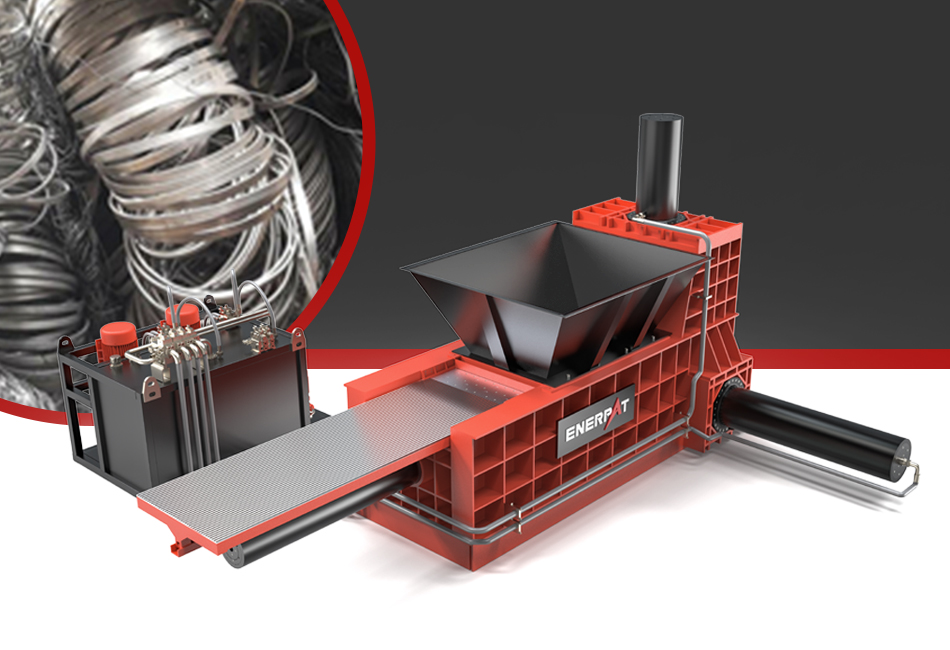
The reliability of heavy machinery depends entirely on its internal components. When vetting a recycling equipment supplier, demand transparency regarding their component sourcing. Investigate the origin and brand reputation of the hydraulic pumps, electrical motors, and PLCs. High-quality components from recognized global brands drastically reduce the risk of premature failure. A cheap directional valve will eventually stick, causing massive hydraulic spikes that blow main seals.
Avoid machinery built with proprietary, unbranded electronic components. If a proprietary circuit board fails, you are entirely dependent on the manufacturer for a replacement. This can result in weeks of downtime while parts clear international customs. Standardized, off-the-shelf components from global manufacturers like Siemens, Allen-Bradley, or Bosch Rexroth are highly preferable. These components can be sourced locally in almost any major industrial market, ensuring rapid repairs. Your local electrical supply house likely stocks a standard Siemens contactor; they will not have a proprietary board from an overseas factory.
Industrial machinery must comply with the regulatory standards of your specific region. Never assume a global supplier automatically meets your local compliance requirements. Verify that the equipment carries the appropriate certifications. Look for CE marking for European installations, UL/CSA certification for North America, and strict adherence to OSHA standards. An uncertified electrical panel will fail your local fire marshal inspection, preventing you from turning the machine on.
Safety features are non-negotiable. The equipment must include strategically placed emergency stop buttons, physical safety interlocks on all access doors, and robust guarding around all moving parts. If an operator opens a chamber door, the machine must instantly kill hydraulic pressure. Control panels must be localized. Operating heavy machinery with control interfaces in a foreign language introduces severe safety risks. Ensure all human-machine interfaces (HMIs) and warning labels are provided in your operators' native language.
A supplier's obligation does not end at delivery. You must audit their global service network before signing a contract. Evaluate their ability to provide rapid aftermarket support in your specific geographic region. Ask for references from other clients in your country to verify their actual response times.
Modern recycling equipment should include remote diagnostic capabilities. Suppliers should be able to connect to the machine's PLC via a secure VPN to troubleshoot software issues or sensor faults remotely. This eliminates the need for a technician to travel for minor diagnostic work. Furthermore, verify the geographic proximity of their spare parts depots. Essential wear parts like shear blades, hydraulic seals, and baling wire must be available with minimal lead times.
Break down the hidden operational costs: energy efficiency (kWh per ton processed), preventative maintenance schedules, and consumable wear parts. Baling wire, shear blades, and hydraulic fluid add up quickly. A machine with a lower purchase price might consume twice the electricity per ton of processed material.
A higher initial investment in a premium system often yields better long-term returns through reduced downtime, labor reallocation, and higher bale densities. Denser bales optimize freight payloads, allowing you to pack maximum weight into every shipping container. Over a five-year period, the savings in freight and electricity easily offset a higher initial capital expenditure.
Procuring machinery involves deciding between brand-new equipment and used alternatives. New equipment provides the latest safety features, modern PLC integration, and comprehensive manufacturer warranties. However, the manufacturing lead times for new custom machinery can extend for several months. Used equipment offers faster deployment and lower initial capital requirements, but introduces significant operational risks if not properly vetted.
You must distinguish between true remanufacturing and cosmetic refurbishing. A remanufactured machine undergoes a bare-metal rebuild. The frame is sandblasted and inspected for micro-fractures. Hydraulic cylinders are repacked or replaced. The electrical panel is entirely rewired with a modern PLC. Cosmetic refurbishing merely involves fresh paint and replacing obvious broken parts. Always demand documentation detailing the exact scope of the rebuild.
If you opt for used machinery, implement a strict inspection protocol. Do not purchase used equipment without a physical or detailed third-party video inspection.
Inspection Category | Critical Focus Areas | Red Flags to Avoid |
|---|---|---|
Structural Integrity | Check the main frame, platen, and hopper for metal fatigue. | Visible weld cracks, warped steel plates, or unauthorized patch jobs. |
Hydraulic Systems | Inspect cylinder rods, hoses, and the main power unit. | Scored cylinder rods, weeping seals, or contaminated hydraulic fluid. |
Electrical & PLC | Verify the condition of the control panel and wiring harnesses. | Obsolete PLCs, bypassed safety relays, or scorched wire terminals. |
Safety Compliance | Ensure all guards, interlocks, and E-stops are functional. | Missing physical guards or disabled limit switches. |
Legacy Support | Confirm the original manufacturer still produces replacement parts. | Orphaned machine brands with no active parts distribution network. |
International freight for heavy machinery is highly complex. Large balers and shredders rarely fit inside standard shipping containers. They require specialized flat rack containers or open-top shipping methods. This exposes the machinery to saltwater and weather during transit. Ensure your contract specifies heavy-duty, weather-proof export packaging, including shrink-wrapping and moisture-absorbing desiccants. We have seen million-dollar machines arrive with rusted hydraulic cylinder rods because the vendor skimped on a $500 tarp.
Define your shipping terms clearly using standard Incoterms. Understand exactly where the supplier's liability ends and yours begins. Customs clearance can cause unexpected delays if documentation is inaccurate. Work with an experienced freight forwarder to manage import duties and commercial invoices. Port strikes, vessel delays, and customs holds are realities of global shipping.
Protect your facility from operational disruptions caused by delayed shipments. Structure your procurement contracts to include specific delivery milestones. Implement financial penalties for late deliveries that push past the agreed-upon grace period. This ensures the supplier prioritizes your manufacturing slot and manages their supply chain effectively.
Never allow equipment to ship without a Factory Acceptance Test (FAT). The FAT requires the supplier to fully assemble and run the machinery at their facility using your specific material types. This is your opportunity to verify throughput capacity, bale density, and software functionality before the equipment crosses an ocean. Correcting engineering flaws is infinitely easier at the factory than on your facility floor.
Once the equipment arrives, mandate a formal Site Acceptance Test (SAT). The supplier must provide a qualified technician to oversee the physical installation, connect the power units, and calibrate the sensors. The SAT confirms the machine performs to specification within your actual operational environment. Do not let your internal maintenance team attempt the initial startup.
Comprehensive operator training is the final critical step. The commissioning technician must provide localized training for your staff. This training must cover daily operation, emergency shutdown procedures, and routine preventative maintenance. Operators must know how to clear jams safely, perform basic hydraulic inspections, and grease the auto-tie needles. Proper training from day one drastically reduces the risk of user-induced mechanical failures.
Choosing the right industrial recycling machinery is an exercise in risk management. You must balance upfront capital requirements with technical capability, operational efficiency, and long-term reliability. To ensure a successful procurement process, take the following immediate actions:
Execute a comprehensive internal waste audit to document material types, loose bulk densities, and peak volume hours.
Measure your facility's exact spatial constraints, mapping out ceiling heights, dock access, and electrical infrastructure limits.
Draft a rigid technical specification sheet outlining your mandatory safety standards and preferred off-the-shelf component brands.
Issue a Request for Proposal (RFP) that demands verifiable throughput data and documented Service Level Agreements for aftermarket support.
Require all prospective vendors to provide references for similar installations operating within your specific geographic region.
A: Focus on global parts availability, adherence to international safety standards, and transparent component sourcing. A reliable vendor uses standardized, off-the-shelf parts like Siemens or Allen-Bradley rather than proprietary electronics. Always verify their track record of successful installations within your specific industry and geographic region.
A: Evaluate their engineering capabilities regarding platen force, cycle times, and structural durability. Ensure they can match the machine's specifications to your specific material density to optimize freight payloads. Look for manufacturers who offer robust hydraulic cooling systems and easily replaceable wear-liners for continuous, heavy-duty operations.
A: With rigorous preventative maintenance, heavy-duty scrap equipment can operate effectively for 15 to 20 years. This lifespan requires strict adherence to maintenance schedules. Wear parts, such as shear blades, hydraulic seals, and internal chamber liners, will require regular replacement throughout the machine's lifecycle.
A: Timelines typically range from 3 to 9 months. This timeframe factors in custom engineering, manufacturing lead times, international freight logistics, customs clearance, and on-site commissioning. Complex integrated systems with automated sorting and conveying mechanisms will push toward the longer end of this spectrum.
A: Beyond the machinery itself, you must account for site preparation, reinforced concrete foundations, and electrical infrastructure upgrades. Additional factors include international shipping tariffs, specialized operator training, front-end collection bins, and ongoing consumable requirements like hydraulic fluid and baling wire.
A: Use specialists when dealing with highly abrasive materials, extreme volume requirements, or materials with high memory retention like tires or foam. Specialized suppliers engineer custom retention dogs, higher shear forces, and tailored hydraulic systems when standard off-the-shelf models cannot achieve the required bale density.
A: Yes, provided you conduct a thorough physical inspection. You must check for structural metal fatigue, ensure all safety mechanisms and interlocks meet current regulatory standards, and verify the hydraulic integrity. Crucially, confirm that replacement parts and technical support are still actively provided by the original manufacturer.


 English


