

Views: 0 Author: Site Editor Publish Time: 2025-12-28 Origin: Site


Are you looking to optimize your scrap metal recycling? Understanding scrap metal balers is essential for efficient operations. This guide will explain what scrap metal balers are and their role in recycling. You'll learn about various types, their benefits, and how to calculate ROI effectively.
A scrap metal baler is a crucial machine in the recycling industry. It compresses loose metal scrap into dense, manageable bales. This process not only saves space but also makes transportation more efficient.
Essentially, a scrap metal baler is designed to handle various types of metal waste. It transforms bulky materials into compact bales, which are easier to store and transport. The main functionality lies in its ability to create uniform bales, which can be sold to recycling facilities or manufacturers.
A typical scrap metal baler consists of several key components:
● Hydraulic System: Powers the compression process.
● Baling Chamber: Where the scrap is compressed.
● Feeding Mechanism: Automatically feeds scrap into the chamber.
● Control Panel: Allows operators to manage settings.
Component | Function |
Hydraulic System | Provides the force for compression |
Baling Chamber | Compresses the scrap into bales |
Feeding Mechanism | Ensures continuous input of materials |
Control Panel | Manages operations and settings |
Understanding how scrap metal balers operate is essential for maximizing their effectiveness. When a baler is activated, the hydraulic system applies pressure to the scrap metal in the baling chamber. This pressure compresses the material into a dense block, or bale. Once the desired size is achieved, the bale is tied off, typically using wire or plastic strapping, for easy handling.
There are several types of baling processes, each suited for different applications:
● Vertical Balers: Ideal for small operations, they compress materials from the top down.
● Horizontal Balers: Designed for high-volume operations, these balers allow for continuous feeding and higher throughput.
● Two-Ram Balers: Feature two rams for compression and ejection, perfect for multi-material recycling.
Baler Type | Best For | Key Features |
Vertical Balers | Small businesses | Manual feed, compact design |
Horizontal Balers | High-volume operations | Automated feeding, high throughput |
Two-Ram Balers | Multi-material recycling | Dual hydraulic rams, high-density bales |
Modern scrap metal balers are equipped with advanced technology. Features like IoT monitoring and automation enhance their efficiency. For example, IoT sensors can provide real-time data on the baler's performance, allowing for predictive maintenance. This technology not only reduces downtime but also increases overall productivity.
Understanding the functionality and operation of scrap metal balers is vital for any recycling operation. With the right knowledge, businesses can optimize their processes and enhance their recycling efforts.
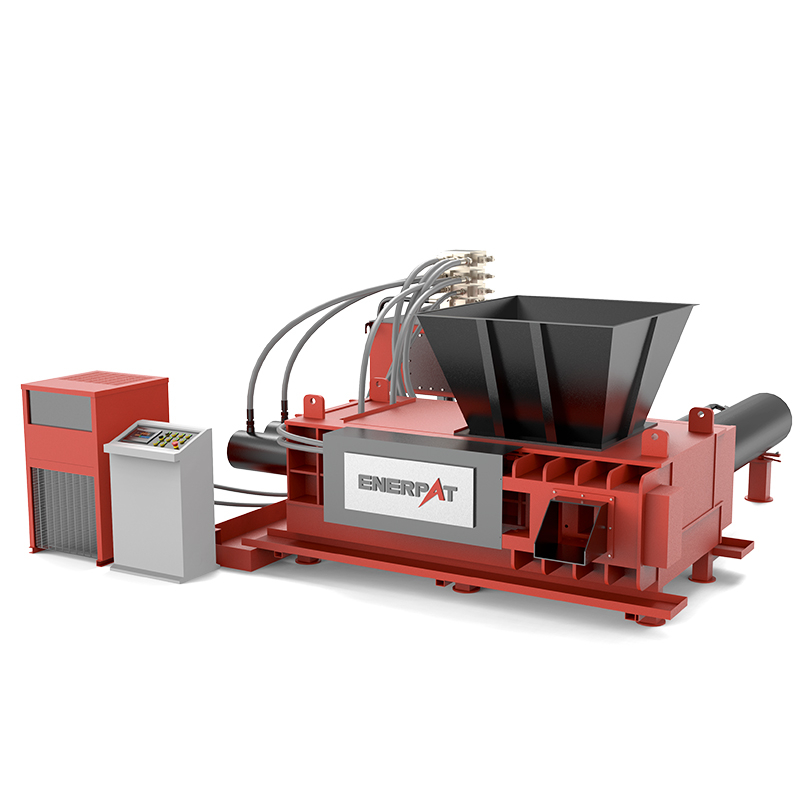
Vertical balers, also known as downstroke balers, are compact machines designed for smaller operations. They compress materials from the top down, making them ideal for limited spaces. These balers are commonly used in retail or small recycling facilities where space is at a premium.
These balers are best suited for small businesses that generate moderate amounts of scrap. Retailers and small manufacturers often use them to manage cardboard, plastics, and light metals. Their size and capacity make them a practical choice for operations with limited floor space.
Advantages:
● Compact design fits into smaller areas.
● Lower initial investment compared to larger balers.
● Easy to operate and maintain.
Limitations:
● Limited capacity compared to horizontal balers.
● Slower processing speed.
● May require more frequent emptying.
Horizontal balers are designed for high-volume operations. They allow for continuous feeding of materials, making them suitable for larger recycling facilities. These machines can handle a wide variety of materials, including metals, cardboard, and plastics.
These balers are perfect for high-volume recycling centers and large manufacturing plants. They excel in environments where constant material flow is necessary, providing efficiency and productivity.
Advantages:
● High throughput and efficiency.
● Can handle larger volumes of material at once.
● Often equipped with automatic feeding systems.
Limitations:
● Higher initial costs and maintenance.
● Requires more space than vertical balers.
● More complex operation and setup.
Two-ram balers feature two rams that compress and eject materials, making them versatile machines. They are particularly effective for facilities that process multiple types of materials, including metals and plastics.
These balers are ideal for multi-material recycling facilities where different types of scrap are processed simultaneously. They handle a variety of materials efficiently, making them a favorite among larger recycling operations.
Advantages:
● Capable of producing high-density bales.
● Efficient for various material types.
● Enhanced operational flexibility.
Limitations:
● Higher cost due to advanced technology.
● More complex maintenance requirements.
● Requires skilled operators for optimal performance.
Lid-style balers are designed to handle larger pieces of heavy scrap. They feature a lid that covers the baling chamber, allowing for the compression of bulky items.
These balers are suitable for scrap yards and facilities processing large metal pieces. They are often used in industries where heavy scrap, such as machinery or automotive parts, is generated.
Advantages:
● Designed for heavy-duty applications.
● Efficiently compresses large, bulky materials.
● Durable construction for tough environments.
Limitations:
● Generally more expensive than other baler types.
● Requires more space for operation.
● Not ideal for smaller, lighter materials.
Ferrous balers are specifically designed for processing ferrous metals, such as steel and iron. They are built to handle the unique challenges associated with these materials.
These balers are commonly found in scrap metal yards and recycling facilities focused on ferrous materials. They effectively manage heavy and dense metal scrap.
Advantages:
● Optimized for ferrous metal processing.
● High durability and strength for heavy materials.
● Often equipped with specialized features for metal handling.
Limitations:
● Limited versatility for non-ferrous materials.
● Higher initial investment.
● Requires robust infrastructure for operation.
Here's a summary table comparing the different types of scrap metal balers based on their features, ideal use cases, and pros and cons:
Baler Type | Description | Ideal Use Cases | Advantages | Limitations |
Vertical Balers | Compact, top-down compression | Small businesses | Fits in small areas, lower cost | Limited capacity, slower processing |
Horizontal Balers | High-volume, continuous feeding | Large recycling centers | High throughput, can handle large volumes | Higher costs, requires more space |
Two-Ram Balers | Two rams for compression and ejection | Multi-material recycling | High-density bales, operational flexibility | Higher cost, complex maintenance |
Lid-Style Balers | Covers for bulky items | Scrap yards, heavy scrap | Efficient for large materials, durable | Expensive, requires more space |
Ferrous Balers | Designed for ferrous metals | Scrap metal yards | Optimized for heavy materials, durable | Limited versatility, higher investment |
ENERPAT® is a leading manufacturer in the solid waste processing industry, known for its innovative balers. Their product line includes models like the AMB-H, AMB-L, TH Series, and AMB-SC Series, each designed to meet specific recycling needs.
● AMB-H Series: Ideal for handling heavy scrap metal, featuring a robust design and high efficiency.
● AMB-L Series: Focused on lightweight materials, offering versatility and ease of use.
● TH Series: Known for its high throughput and automation capabilities, perfect for large operations.
● AMB-SC Series: Designed for small to medium-sized facilities, balancing performance and cost.
These balers are praised for their reliability, efficiency, and global service support. ENERPAT® combines advanced technology with user-friendly designs, ensuring optimal performance in various recycling environments.
Scrap metal balers significantly streamline recycling processes, making operations smoother and more effective. By compressing scrap materials into dense bales, they reduce the volume of waste, allowing for easier handling and storage. This efficiency is particularly evident in facilities using ENERPAT® balers, which are designed to optimize performance.
● Reduction in Manual Labor: One of the key advantages of balers is the reduction in manual labor. Instead of workers sorting and stacking loose materials, balers automate much of this process. For example, an ENERPAT® baler can compress large amounts of scrap metal in a fraction of the time it would take to do so manually. This automation saves time and allows employees to focus on more critical tasks, enhancing overall productivity.
Key Features of ENERPAT® Balers:
● Fast Compression: Capable of processing tons of material quickly.
● User-Friendly Controls: Simplifies operation for staff.
● Durability: Built to withstand heavy use in tough environments.
Investing in a scrap metal baler can lead to substantial cost savings for businesses. By reducing the logistics involved in transporting loose materials, balers minimize transportation costs. High-density bales take up less space and can be stacked more efficiently, meaning fewer trips to recycling centers.
Cost Aspect | Description | Example |
Logistics Costs | Fewer trips needed for transport | High-density bales reduce transport frequency. |
Maintenance Costs | Lower maintenance due to efficient design | ENERPAT® models are built for durability, reducing repair costs. |
Labor Costs | Less manual handling required | Automation allows staff to focus on other tasks. |
In this way, businesses that utilize high-density bales, especially those produced by ENERPAT® models, can see significant reductions in their overall operational costs.
Compliance with environmental regulations is crucial in today’s recycling landscape. Many scrap metal balers come with CE/ISO certifications, ensuring they meet rigorous safety and quality standards. This compliance not only protects businesses legally but also enhances their reputation in the industry.
● Sustainability Contribution: Using balers contributes to sustainability and circular economy practices. By efficiently processing materials, balers help reduce waste and promote recycling.
ENERPAT®’s Commitment:
● Environmental Standards: ENERPAT® integrates sustainable practices into their operations.
● Innovative Design: Their balers are designed for efficiency while minimizing environmental impact.
Safety is a top priority in any workplace, and scrap metal balers play a vital role in enhancing safety conditions. By automating the baling process, these machines reduce the risk of workplace accidents associated with manual handling of heavy and sharp materials. Workers are less exposed to potential hazards, leading to a safer work environment.
● Cleaner Work Environment: A cleaner workspace is another benefit of using balers. By compressing scrap into manageable bales, facilities can maintain a tidier environment, reducing clutter and the associated risks of slips, trips, and falls.
Benefits of Improved Safety:
● Reduced Accidents: Less manual handling means fewer injuries.
● Enhanced Morale: A safer workplace boosts employee satisfaction and productivity.
In summary, the benefits of using scrap metal balers are clear. They enhance operational efficiency, lead to significant cost savings, ensure compliance with environmental standards, and improve workplace safety. Investing in a high-quality baler, like those offered by ENERPAT®, can transform how businesses manage their scrap metal recycling processes.
When considering the return on investment (ROI) for scrap metal balers, several key factors come into play. Understanding these elements can help businesses make informed decisions about purchasing and operating balers.
The initial investment for a scrap metal baler includes the purchase price, installation costs, and any necessary modifications to existing facilities. This upfront cost can vary widely depending on the type of baler selected. For instance, vertical balers typically have a lower cost compared to horizontal or two-ram balers.
● Cost Considerations: It's essential to evaluate the total cost of ownership, which includes not only the purchase price but also the expected lifespan and potential resale value of the baler.
Operational costs encompass maintenance, energy consumption, and labor savings. Efficient balers reduce energy usage and require less frequent maintenance, leading to lower operational costs over time.
● Maintenance and Energy Savings: ENERPAT® balers are designed for durability and efficiency, which can lead to significant savings in both maintenance and energy bills.
The revenue generated from recycling efforts is a crucial component of ROI. High-density bales produced by balers can command better prices in the market, increasing overall recovery value from recycled materials.
Revenue Aspect | Description | Example |
Market Prices | High-density bales sell for more | Scrap metal prices can increase by up to 30%. |
Increased Volume | More efficient processing leads to higher output | A baler can double the amount of scrap processed. |
Value of Recycled Materials | Enhanced recovery value from various materials | ENERPAT® balers optimize material recovery. |
Examining real-world cases can provide insight into the tangible benefits of investing in scrap metal balers. Many businesses have reported significant ROI after implementing balers, particularly ENERPAT® customers.
● Case Study 1: A medium-sized recycling facility upgraded to an ENERPAT® horizontal baler, resulting in a 40% increase in processing efficiency. This upgrade led to a $50,000 annual increase in revenue due to better market prices for high-density bales.
● Case Study 2: A small metal scrap yard replaced its old baler with a new ENERPAT® model, reducing operational costs by 25% through energy savings and decreased maintenance requirements. The facility reported a payback period of just 18 months.
Knowing when to upgrade your baler is crucial for maintaining operational efficiency and maximizing ROI. Here are some signs that indicate it might be time for a new baler:
● Frequent Breakdowns: If your current baler is frequently out of service, it can lead to lost revenue and increased maintenance costs.
● Inefficiency: If you notice a decline in processing speed or quality, it may be time to consider an upgrade to a more modern model.
Investing in modern baler technology, like those offered by ENERPAT®, comes with several advantages:
● Enhanced Efficiency: Newer models are designed for higher throughput and lower energy consumption, leading to greater overall efficiency.
● Advanced Features: Features such as automation and smart technology can significantly improve operational capabilities.
● Long-Term Savings: While the initial investment may be higher, the long-term savings in maintenance and energy costs can make up for it quickly.
Calculating the ROI for scrap metal balers involves considering initial costs, operational expenses, and potential revenue generation. By analyzing real-world examples and recognizing the signs for an upgrade, businesses can make informed decisions that lead to significant financial benefits.
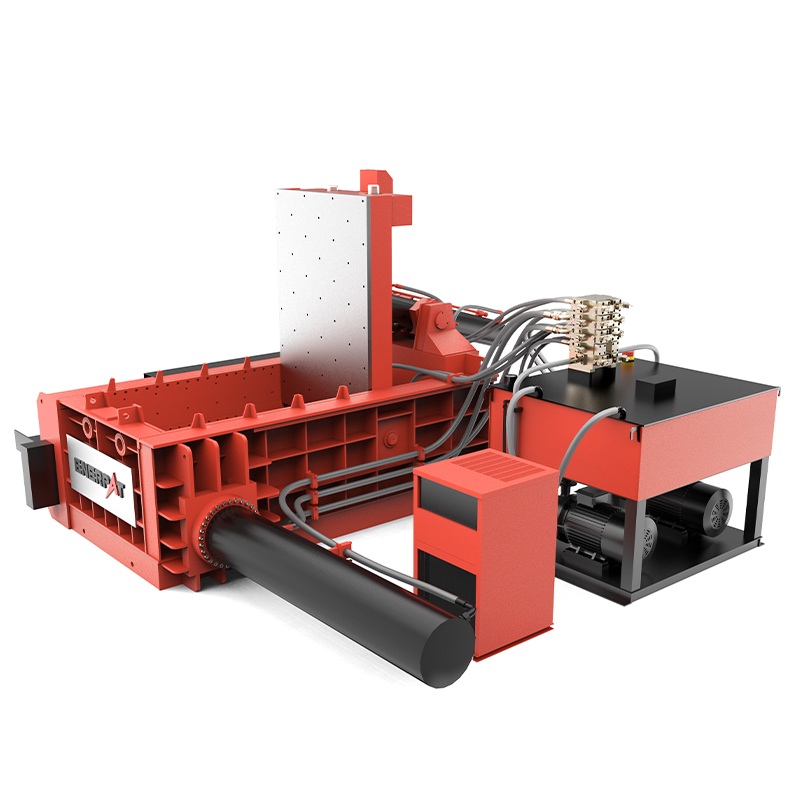
When it comes to selecting the right scrap metal baler, assessing your specific needs is the first step. This process ensures you choose a machine that aligns perfectly with your operational requirements. Here are some key questions to guide your decision-making:
1. What is the volume of scrap you process daily? Understanding your daily output will help you select a baler with the appropriate capacity.
2. What types of materials do you handle? Different balers are designed for various materials, such as aluminum, steel, or mixed metals. Knowing this will guide your choice effectively.
3. What are your space constraints? Consider the physical space available for the baler. Some models require more room for operation and maintenance than others.
Consideration | Details |
Daily Volume | Choose a baler that can handle your output. |
Material Types | Ensure compatibility with your scrap materials. |
Space Requirements | Measure your workspace to fit the baler. |
After assessing your needs, it’s time to compare different models and manufacturers. This comparison will help you identify the best fit for your operations and ensure you get the most value from your investment. Among the top brands in the market, ENERPAT® stands out for its reliability and innovative designs. Other notable manufacturers include Harris, known for robust machinery suited for heavy-duty applications, and American Baler, which offers a variety of balers with customizable options.
When selecting a manufacturer, consider several important factors:
● Warranties: A solid warranty can protect your investment and provide peace of mind.
● Support: Look for companies that offer comprehensive customer support, including installation and troubleshooting.
● Certifications: Ensure the manufacturer meets industry standards and regulations, which can indicate quality and reliability.
Regular maintenance is essential for keeping your scrap metal baler in optimal condition. Neglecting maintenance can lead to costly repairs and downtime. Routine checks can prevent major breakdowns and extend the life of your baler. Key maintenance tasks include:
● Lubrication: Keeping moving parts lubricated reduces wear and tear.
● Inspection: Regular inspections can catch potential issues before they become serious problems.
● Cleaning: Maintaining a clean machine helps ensure efficient operation.
Many manufacturers, particularly ENERPAT®, provide extensive training and support resources. This can include hands-on training for your staff on how to operate and maintain the baler effectively, as well as global service offerings to ensure you have access to assistance regardless of your location.
Incorporating these considerations will help you choose the right scrap metal baler tailored to your operational needs, ensuring efficiency and productivity in your recycling processes.
In summary, this guide covers the types of scrap metal balers available, their benefits, and the potential return on investment (ROI). Investing in a scrap metal baler can significantly enhance efficiency and promote sustainability in your operations. We encourage you to explore options and consider contacting manufacturers or distributors for more information. ENERPAT® is a reliable choice for your baler needs.


 English

