

Views: 147 Author: Site Editor Publish Time: 2026-07-27 Origin: Site


Loose iron chips and turnings are not merely inevitable byproducts of your manufacturing operations. They represent inefficiently managed assets sitting right on your shop floor. Left uncompacted, they consume vast amounts of valuable space, trap expensive cutting fluids, and command significantly lower scrap market prices. The basic concept of pressing this scrap into dense blocks remains an industry standard. However, selecting the exact right equipment demands a much more rigorous evaluation process today. You must carefully assess continuous throughput capabilities, precise hydraulic force, and long-term maintenance implications to succeed.
This comprehensive guide outlines the specific technical and financial criteria you need. Plant managers and procurement teams must evaluate these strict parameters thoroughly before investing in an iron chip briquetting machine. Doing so ensures you achieve genuine operational efficiency and maximum return on your capital expenditure.
ROI Drivers: Justifying the investment relies on three metrics: increased scrap resale value (higher melt yield), cutting fluid reclamation, and reduced storage/transport logistics.
Specification Matching: Hydraulic pressure must be strictly matched to the specific grade and geometry of the iron chips; under-specifying leads to crumbling briquettes.
Pre-processing Requirements: Stringy or nested turnings often require integrated shredding before briquetting.
Vendor Scrutiny: Sourcing relies heavily on analyzing aftermarket support and parts availability, not just upfront capital expenditure.
Uncompacted swarf carries steep hidden costs across your entire production facility. Loose metal piles up incredibly fast around machining centers. This raw material consumes expensive factory floor space daily. Leaking cutting fluids create severe environmental liabilities and dangerous slip hazards. You risk sudden safety violations and face costly cleanup efforts constantly. Transporting loose chips remains incredibly inefficient for logistics teams. Haulage trucks fill up by volume long before they hit their actual weight limits. You ultimately end up paying premium freight rates simply to transport empty air.
Fluid recovery offers a massive, immediate financial advantage. CNC machining relies heavily on expensive synthetic coolants and lubricating oils. Loose chips drag massive volumes of these fluids directly into your scrap bins. You lose thousands of dollars monthly in completely wasted coolant. A high-pressure press physically squeezes this valuable fluid out of the metal. You can collect it easily within integrated drip catchments. You then filter the recovered liquid and pump it back into your machining centers. This simple extraction process creates a measurable closed-loop savings system.
Melt yield improvements drive the most significant long-term profitability. Foundries strongly dislike dealing with loose iron chips. Thin flakes burn up almost instantly in the furnace heat. This rapid burning creates excessive oxidation and generates thick surface slag. You lose actual valuable metal mass during the melting process. Dense iron blocks act exactly like solid pig iron. They sink into the melt pool smoothly and melt evenly. They yield much higher liquid metal volumes per ton. Proper metal chip briquetting guarantees you capture this premium payout from scrap buyers.
You must define your hydraulic pressure requirements very carefully. Iron requires immense baseline pressing force to compress properly. You cannot successfully use a machine built primarily for soft aluminum. Cast iron dust behaves very differently than tough steel alloy turnings. Cast iron forms dense, stable blocks easily under steady high pressure. Steel alloys possess inherent material memory and actively want to spring back apart. You need specific cylinder bore sizes and robust pump pressures to overcome this internal yield strength safely.
Baseline Pressure Guide
Material Type | Required Density Level | Recommended Compaction Force |
|---|---|---|
Aluminum Chips | Low to Medium | 1,200 - 1,500 kg/cm² |
Cast Iron Dust | High | 3,000 - 3,500 kg/cm² |
Steel Alloy Turnings | Very High | 3,800 - 4,500 kg/cm² |
Throughput capacity calculations demand forward-thinking logic. Do not buy an industrial briquetting press based purely on your current output levels. Calculate your baseline kilogram-per-hour generation rate accurately. Then, manually add a 20 to 30 percent overhead margin to that figure. This buffer ensures the machine handles future business growth seamlessly. It also allows your operators to clear sudden weekend scrap backlogs quickly without overheating the main hydraulic pumps.
Briquetting systems cannot magically process every type of metal scrap. Continuous, stringy turnings create massive operational headaches immediately. These "bird-nest" clumps clog input hoppers and jam screw conveyors instantly. You must integrate a robust crusher or shredder upstream in these scenarios. The shredder actively chops long ribbons into small, uniform pieces. The main press then compacts these uniform pieces effortlessly. Conversely, fine cast-iron dust rarely needs any upstream shredding. It flows cleanly and predictably directly into the main pressing chamber.
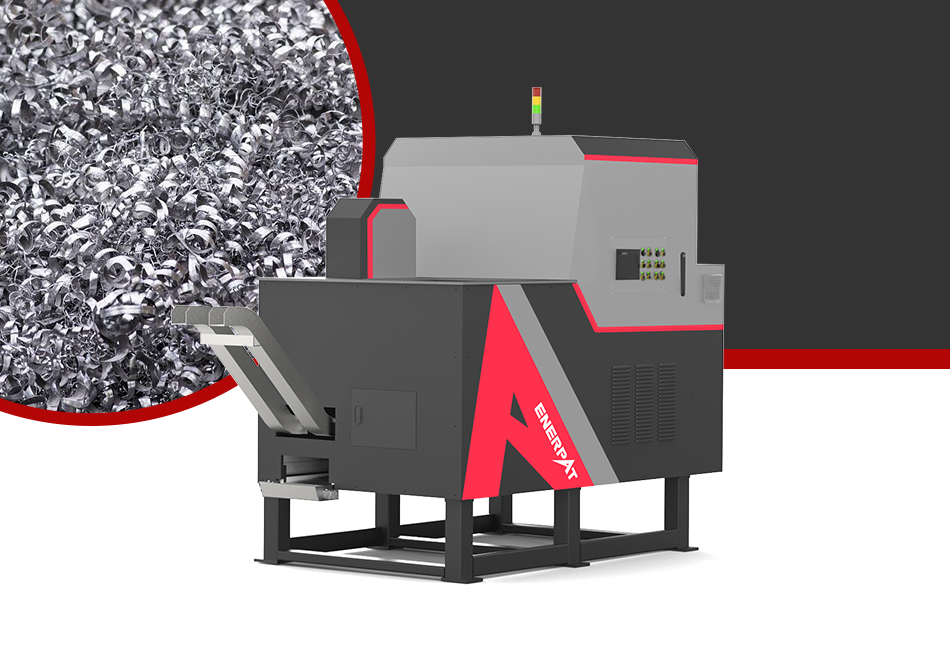
You must never trust simple specification sheets alone during procurement. Move beyond basic sales brochures to evaluate the actual manufacturer directly. Scrutinize their factory manufacturing tolerances and heavy machining capabilities. Look closely at how they source their core hydraulic components.
Component Standardization: Some builders use cheap, proprietary hydraulic valves. You will struggle endlessly to find replacements when they inevitably fail. Reliable manufacturers use standard, globally available components from brands like Rexroth or Parker. This design choice ensures rapid repairs and minimal downtime.
Warranty Structures: Examine the fine print covering the main pressing cylinders. A strong warranty covers high-wear internal components, not just the outer steel frame.
Service Availability: Verify local technician availability. Even the best machines require occasional expert recalibration.
Global sourcing naturally introduces very real procurement risks. Unverified, low-cost models flood the industrial market constantly. They often suffer from rapid cylinder seal degradation right out of the box. Their undersized hydraulic systems overheat routinely during continuous three-shift operations. You can mitigate these severe risks effectively with strict verification protocols. Always demand a comprehensive factory acceptance test (FAT) prior to shipping.
Ask the manufacturer to run your specific material through the machine. Require them to record the cycle times and measure the final block density on camera. Furthermore, request verified reference sites nearby. Speak directly with current, unbiased users of an OEM briquetting machine. Ask them about real-world fluid leaks and actual preventative maintenance demands.
Assess your physical installation footprint thoroughly before signing any purchase order. A heavy-duty press requires significant vertical and horizontal clearance.
You need sufficient room for overhead hoppers and automated loading mechanisms.
Conveyor feeding systems require careful structural alignment to prevent material jams.
You must plan for dedicated coolant collection trenches below the floor level.
Extracted fluid needs a reliable, gravity-fed path back to your central filtration system.
Address ongoing maintenance bottlenecks transparently with your team. Wear parts break down predictably under immense frictional forces. You will replace hardened steel pressing dies frequently. Hydraulic cylinder seals and oil return filters also possess strict maximum lifespans. We strongly advise adhering rigorously to preventative maintenance intervals. Ignoring these basic checks guarantees catastrophic, unplanned downtime later.
Component Type | Inspection Interval | Replacement Indicator |
|---|---|---|
Hydraulic Fluid Filters | Monthly | High pressure drop or visual contamination |
Main Pressing Dies | Bi-Weekly | Visible scoring or crumbling block edges |
Cylinder Seals | Quarterly | Noticeable fluid weeping or pressure loss |
Feeding Screws | Weekly | Excessive grinding noise or slow intake |
Operator training fundamentally shifts your daily floor workflows. Staff stop moving messy, leaking bins manually across the facility. They transition completely to managing a sophisticated automated system. They must learn to monitor digital hydraulic temperatures carefully. Operators need training to listen for abnormal pump cavitation noises. A well-trained operator catches minor seal leaks long before they become major structural failures.
Evaluating established architectures provides excellent baseline metrics for your purchase. We can look closely at the BM-D2013 briquetting framework as a prime industry case study. It represents a reliable standard for medium-to-high volume processing environments. Understanding this tier of machinery helps you benchmark competing models effectively.
We must break down how specific features translate directly to verifiable operational stability. Automated feeding systems eliminate dangerous manual intervention completely. Specific, oversized cylinder bore sizes guarantee consistent block density regardless of material variations. Deep, integrated fluid catchments prevent dangerous floor spills automatically. Massive cooling units keep hydraulic oil temperatures stable during continuous summer operations. These premium features directly create the operational uptime your facility demands.
Determine your shortlisting logic based on hard data. Calculate your average daily chip volume meticulously. A small, entry-level standalone press works perfectly for intermittent use. However, a continuous three-shift CNC operation overwhelms those small machines rapidly. High-capacity models easily manage massive continuous volumes without overheating. They easily justify their higher initial purchase price through unmatched reliability. Upgrading to a heavy-duty class ensures you never throttle your CNC production waiting on scrap removal.
A genuinely successful purchase relies entirely on matching machine pressure precisely to your material hardness. You must evaluate the upfront capital against the long-term operational costs and preventative maintenance expenses. Skipping the pre-processing shredder for stringy turnings guarantees endless hopper jams. Under-specifying your hydraulic pump guarantees weak, crumbling blocks.
We strongly recommend initiating a formal material trial immediately. Send a sealed drum of your specific iron swarf directly to the equipment manufacturer. Force them to verify exact cycle times, realistic fluid extraction rates, and final briquette density. Review this physical evidence carefully before signing any final purchase order.
A: You calculate payback using a clear formula: scrap premium plus fluid savings plus transport savings, minus operating costs. A window of 12 to 24 months serves as a standard industry benchmark for continuous, three-shift operations processing high volumes.
A: Technically yes, but it is practically risky due to severe cross-contamination rules at foundries. They also require vastly differing pressure settings. We highly recommend utilizing dedicated machines or instituting extremely rigorous, time-consuming cleaning protocols between material batches.
A: A properly calibrated, high-pressure industrial press can recover up to 90 to 95 percent of residual liquid coolant. The exact volume depends heavily on your specific chip geometry and the initial fluid saturation level before pressing.


 English

