

Views: 0 Author: Site Editor Publish Time: 2026-01-09 Origin: Site


Are you aware that regular maintenance can significantly extend the lifespan of your scrap metal baler? These machines play a crucial role in recycling, making proper upkeep essential. In this article, we’ll discuss key maintenance practices and provide a checklist to ensure your baler operates efficiently, featuring insights from ENERPAT®.
A scrap metal baler is a powerful machine designed to compress and package metal waste into manageable bales. These bales are easier to transport, store, and recycle, making balers essential in the recycling industry. By transforming loose scrap into compact bales, these machines help maximize space and efficiency in recycling operations.
There are several types of scrap metal balers available, each tailored to specific needs:
● Vertical Balers: These are compact and suitable for smaller operations. They are designed to handle lighter materials and are often used in retail environments.
● Horizontal Balers: Ideal for larger operations, horizontal balers can handle a higher volume of material. They are more efficient for continuous feeding and are commonly used in industrial settings.
● Mobile Balers: These versatile machines are designed for on-site operations. They can be transported easily to different locations, making them perfect for recycling facilities that need flexibility.
Type of Baler | Best For | Key Feature |
Vertical Balers | Small operations | Compact design |
Horizontal Balers | Large volume processing | Continuous feeding |
Mobile Balers | On-site recycling | Portability |
Regular maintenance is essential for keeping your scrap metal baler running smoothly. It directly impacts performance and efficiency. Well-maintained machines operate at optimal levels, leading to better throughput and less downtime. Neglecting maintenance can result in costly breakdowns, reduced efficiency, and a shorter lifespan for your equipment.
Consider these consequences of poor maintenance:
● Breakdowns: Unchecked wear and tear can lead to unexpected failures, disrupting operations and causing delays.
● Reduced Lifespan: Without proper care, components wear out faster, requiring expensive replacements.
● Safety Risks: Malfunctioning safety features can pose risks to operators and increase the likelihood of accidents.
ENERPAT® is committed to providing high-efficiency scrap metal balers. Their advanced technology and robust design ensure that these machines perform reliably. However, even the best equipment requires regular maintenance to function effectively. By adhering to a maintenance schedule, you can protect your investment and ensure your baler continues to meet your recycling needs.
In summary, understanding your scrap metal baler and the importance of maintenance is key to extending its lifespan and maximizing efficiency. Regular checks and timely repairs will keep your machine running smoothly, allowing you to focus on what matters most—efficient recycling and resource recovery.
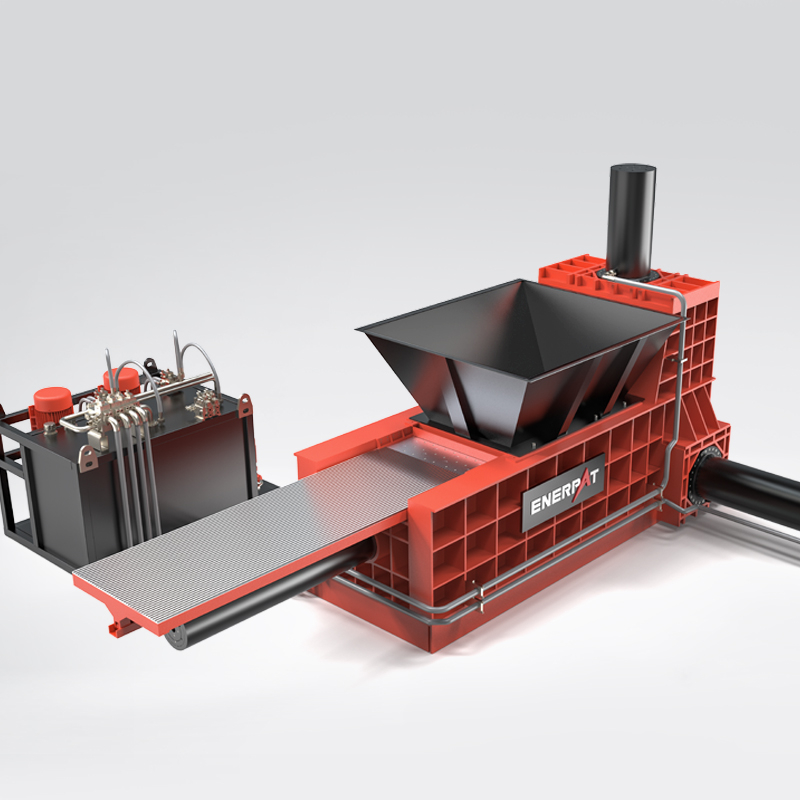
A thorough visual inspection is the first step in daily maintenance for your scrap metal baler. Start by checking for signs of wear on components, such as belts and blades. Look for leaks around hydraulic hoses and connections, as these can lead to significant issues if not addressed promptly. Additionally, inspect for any loose bolts or connections that could affect the baler's performance.
Early detection is key. Identifying small problems before they escalate can save you from costly repairs down the line. For instance, a small leak can quickly become a major hydraulic failure if ignored.
Cleaning the compression chamber is vital for optimal operation. Here are the steps to follow:
1. Turn off the machine and ensure it is safe to clean.
2. Remove debris: Use a vacuum or a brush to eliminate any metal scraps or dust.
3. Inspect for buildup: Check for any material that may have stuck to the walls or components.
Cleanliness is especially essential for models like the ENERPAT AMB-H, which features a continuous feeding design. A clean chamber ensures smooth operation, reduces jams, and enhances efficiency. Regular cleaning helps maintain the integrity of the baler and prolongs its lifespan.
Cleaning Task | Frequency | Purpose |
Remove debris | Daily | Prevent jams and ensure efficiency |
Inspect for buildup | Daily | Maintain smooth operation |
Deep clean | Weekly | Enhance performance |
The hydraulic fluid check is another critical daily task. Start by checking the fluid levels in the reservoir. Ensure they are within the recommended range, as low levels can lead to inadequate performance. Look for any signs of contamination, such as discoloration or debris in the fluid.
Maintaining the hydraulic system is crucial, especially for models like the ENERPAT AMB-L, which depend heavily on hydraulic efficiency. Contaminated fluid can cause wear on components and lead to system failures. If you notice any issues, it may be time to replace the fluid or consult a technician.
Fluid Check Task | Recommended Action |
Check fluid level | Ensure it’s within range |
Inspect for contamination | Replace if necessary |
Report issues | Contact technician if needed |
Testing the safety features of your scrap metal baler is essential for safe operation. Begin by verifying that emergency stop buttons function correctly. They should immediately halt the machine in case of an emergency. Next, check the safety gates to ensure they close properly and prevent access during operation.
Safety in operations aligns with ENERPAT®'s safety standards, which prioritize operator protection. Regular testing of these features not only safeguards workers but also helps prevent accidents that could damage the equipment.
Safety Feature | Testing Method | Importance |
Emergency stop buttons | Press to ensure activation | Immediate shutdown capability |
Safety gates | Check closure and function | Prevents access during operation |
Alarms | Test for proper sound | Alerts for malfunctions |
By following this daily maintenance checklist, you can ensure your scrap metal baler operates efficiently and safely. Regular inspections and cleanings not only enhance performance but also extend the lifespan of your valuable equipment.
Regular hydraulic system inspections are vital for ensuring your scrap metal baler operates at peak performance. Start by checking hoses and fittings for any signs of wear, such as cracks or leaks. These small issues can escalate quickly, leading to significant hydraulic failures if not addressed promptly.
Maintaining hydraulic integrity is crucial. A well-functioning hydraulic system ensures that the baler compresses materials effectively, maximizing efficiency. For models like the ENERPAT AMB-L, which rely heavily on hydraulic systems, regular checks can prevent costly downtime.
Inspection tasks for the hydraulic system include checking hoses and fittings for cracks or leaks on a weekly basis, testing hydraulic pressure to ensure it meets manufacturer specifications monthly, and inspecting fluid levels to confirm they are within the recommended range weekly.
Next, conduct an electrical system check to ensure all components are functioning properly. Inspect wires and connections for any signs of damage or corrosion. Pay special attention to control panels, as these are critical for the operation of your baler.
Reliability in the electrical system is essential, especially in ENERPAT® balers that feature advanced PLC systems. A malfunction in the electrical components can disrupt operations and lead to safety hazards. Regular inspections help maintain operational efficiency and safety.
Electrical tasks include inspecting wires for frays or corrosion on a monthly basis, testing control panels to ensure all buttons and indicators work monthly, and checking connections to tighten any loose connections weekly.
Proper lubrication of moving parts is another critical aspect of maintenance. Identify key lubrication points on your scrap metal baler, such as bearings, chains, and pivot points. Keeping these areas well-lubricated reduces friction and wear, extending the life of the machinery.
When selecting lubricants, opt for high-quality products recommended by the manufacturer. For ENERPAT®'s high-performance equipment, using the right lubricants ensures optimal operation and compliance with warranty terms. Regular lubrication not only enhances performance but also minimizes the risk of breakdowns.
Lubrication Task | Recommended Lubricant | Frequency |
Bearings | High-temperature grease | Monthly |
Chains | Chain lubricant | Weekly |
Pivot points | Multi-purpose oil | Monthly |
Finally, establishing a schedule for filter replacement is crucial for maintaining your baler's efficiency. Both hydraulic and air filters should be replaced regularly to prevent contamination and ensure smooth operation. Dirty filters can restrict flow and reduce performance, leading to potential damage.
Typically, hydraulic filters should be changed every 3 to 6 months, while air filters may require more frequent replacement, depending on the operating environment. Keeping filters clean is essential for system efficiency and compliance with ENERPAT®'s warranty terms.
For filter replacement tasks, hydraulic filters should be replaced every 3 to 6 months to prevent contamination. Air filters should be changed based on dust levels, typically on a monthly basis. Additionally, inspect the filter housing monthly to ensure there are no leaks or damage.
By diligently following these weekly and monthly maintenance tasks, you can significantly extend the lifespan of your scrap metal baler while ensuring it operates efficiently and safely.
Maintaining the motor of your scrap metal baler is essential for reliable operation. Start by keeping the motor clean and ensuring proper ventilation. Dust and debris can accumulate, leading to overheating and reduced efficiency. Regularly wipe down the motor and ensure that air vents are clear.
Be aware of signs indicating motor issues. If you notice unusual noises, vibrations, or a decrease in performance, it may be time to consult a professional. Leveraging ENERPAT®'s 5-year motor warranty can save you from costly repairs if problems arise. Regular checks can help you catch issues early and keep your baler running smoothly.
Maintenance tasks for the motor include cleaning it monthly by wiping down and checking for debris, inspecting ventilation to ensure air vents are clear on a monthly basis, and monitoring performance weekly for any unusual sounds or vibrations.
The compression chamber is a critical component of your baler, especially in models like the ENERPAT AMB-SC. Inspecting it for wear and tear is vital, as high-hardness steel can still suffer damage over time. Look for signs of dents, cracks, or other imperfections that could affect compression efficiency.
Addressing minor damages promptly can prevent more significant issues. If you find small dents, consider using a mallet to gently reshape the area. For deeper cracks or significant wear, it’s best to consult a technician for repairs. Maintaining the integrity of the compression chamber ensures that your baler operates efficiently and effectively.
Inspection Task | What to Look For | Action Required |
Inspect for wear | Dents, cracks, or deformities | Repair or replace as needed |
Check seals | Condition of seals around the chamber | Replace if damaged |
Clean interior | Remove debris and dust | Monthly |
The feeding mechanism is crucial for the smooth operation of your baler. Regularly check the conveyor belt for signs of wear and ensure it maintains proper tension. A worn-out belt can lead to feeding issues, which can disrupt the baling process.
Maintaining the patented feeding function is particularly important in ENERPAT®'s AMB-H model. This model is designed for continuous operation, and any disruptions can lead to inefficiencies. Inspect the alignment of the belt and adjust it as necessary to ensure optimal performance.
Maintenance Task | Recommended Action | Frequency |
Check conveyor belt | Look for wear and ensure proper tension | Weekly |
Inspect alignment | Adjust as needed to prevent misfeeds | Weekly |
Lubricate moving parts | Use recommended lubricant | Monthly |
By focusing on the specific care needs of these components, you can enhance the performance and longevity of your scrap metal baler. Regular maintenance ensures that each part functions optimally, contributing to the overall efficiency of your recycling operations.
When it comes to storing your scrap metal baler for extended periods, following proper idle storage procedures is essential. Start by cleaning the machine thoroughly to remove any residual materials that could cause corrosion or damage. After cleaning, ensure that all moving parts are lubricated to prevent rust and stiffness.
Protecting the baler from environmental factors is crucial, as recommended by ENERPAT®. Cover the machine with a breathable tarp to shield it from dust and moisture. Additionally, consider placing desiccants around the baler to absorb any humidity in the air. These steps can help maintain the integrity of the machine during periods of inactivity.
Storage Task | Recommended Action | Frequency |
Clean the baler | Remove all debris and materials | Before storage |
Lubricate moving parts | Apply appropriate lubricants | Before storage |
Cover the baler | Use a breathable tarp | Before storage |
Scheduling annual professional inspections is a proactive strategy to ensure the longevity of your baler. Engaging certified technicians can uncover potential issues that may not be visible during regular maintenance. These experts have the knowledge and tools necessary to perform thorough checks on all components.
During a professional inspection, you can expect a comprehensive evaluation of the motor, hydraulic systems, and safety features. Technicians will also check for wear and tear, ensuring everything functions optimally. ENERPAT®'s global service team is equipped to provide expert assistance, ensuring your baler adheres to all safety and performance standards.
Inspection Focus | What to Expect | Benefits |
Motor performance | Testing for efficiency and noise | Early issue detection |
Hydraulic system | Checking fluid levels and seals | Prevents leaks and failures |
Safety features | Verifying all safety mechanisms | Ensures operator safety |
By implementing these long-term maintenance strategies, you can significantly enhance the lifespan and reliability of your scrap metal baler. Regular care, combined with professional oversight, keeps your machine in top shape, ready for efficient operation whenever needed.
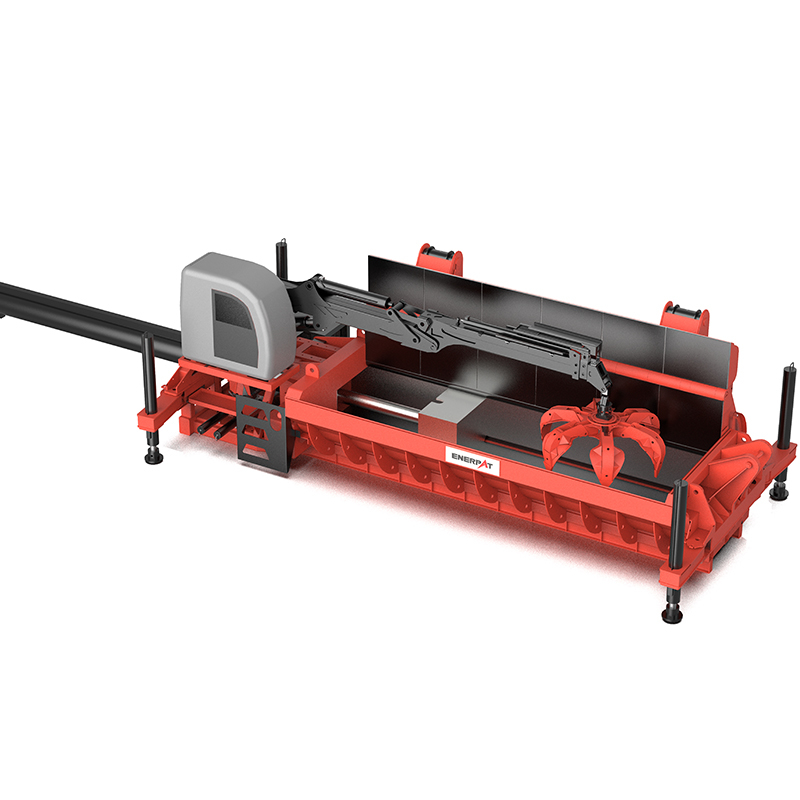
One of the simplest yet most effective ways to extend the lifespan of your scrap metal baler is by keeping a maintenance log. Documenting all repairs, inspections, and routine maintenance tasks provides a clear history of your machine's health. This log can be invaluable when troubleshooting issues, as it helps identify patterns or recurring problems.
Moreover, maintaining a detailed record can improve the resale value of your baler. Potential buyers often look for well-documented maintenance histories, as it indicates that the machine has been cared for properly. A comprehensive log not only reflects diligence but also reassures buyers of the machine's reliability.
Another crucial tip is to avoid overloading your baler. Exceeding the rated capacity can lead to severe mechanical failures, compromising both safety and efficiency. Overloading often results in excessive strain on the motor and hydraulic systems, which can lead to costly repairs.
Best practices for feeding materials are essential, especially for high-capacity models like the ENERPAT AMB-SC. Always adhere to the manufacturer's guidelines regarding weight limits and material types. Feeding materials gradually and evenly can help maintain optimal performance and prevent jams.
Best Practice | Description | Benefits |
Follow capacity limits | Never exceed the rated capacity | Prevents damage |
Feed materials evenly | Distribute loads to avoid jams | Enhances efficiency |
Monitor load weight | Use scales to ensure compliance | Maintains safety |
Lastly, always prioritize using OEM parts and quality lubricants. Original Equipment Manufacturer (OEM) parts are designed specifically for your baler, ensuring compatibility and performance. Using non-OEM parts can lead to malfunctions and may void warranties.
High-grade lubricants also play a critical role in preventing premature wear. They reduce friction and heat, aligning with ENERPAT®'s quality standards. Investing in the right lubricants not only extends the life of your baler but also enhances its operational efficiency.
By implementing these tips, you can significantly enhance the longevity and performance of your scrap metal baler. Regular attention to maintenance, careful operation, and using quality components will keep your machine running smoothly for years to come.
Maintaining your scrap metal baler is crucial for its performance and longevity. Regular maintenance helps prevent costly repairs and ensures efficiency.
Following the maintenance checklist will keep your baler operating smoothly.
We encourage you to schedule regular maintenance and inspections. Remember, ENERPAT® is committed to providing excellent customer support and quality service.


 English

