

Views: 0 Author: Site Editor Publish Time: 2026-01-13 Origin: Site


Scrap metal balers play a crucial role in recycling. However, operating them safely is vital to prevent injuries. In this post, we’ll discuss essential safety measures and best practices for using a scrap metal baler effectively.
A scrap metal baler is a powerful machine designed to compress metal waste into compact bales. This process not only facilitates easier handling and transportation but also maximizes storage efficiency. Balers come in various types, each tailored to specific needs in recycling operations.
1. Vertical Balers:
a. Ideal for smaller operations, vertical balers compress materials from the top down.
b. They are space-efficient and perfect for light metals, like aluminum cans.
2. Horizontal Balers:
a. These balers are designed for larger volumes and can handle heavy-duty materials.
b. They compress metal waste horizontally, making them suitable for industrial applications.
3. Mobile Balers:
a. Mobile balers are versatile and can be transported to different job sites.
b. They are particularly useful for on-site processing of end-of-life vehicles (ELVs) and mixed metal components.
Type | Ideal Use | Key Features |
Vertical Balers | Small operations | Space-efficient, top-down compression |
Horizontal Balers | Large volumes | Heavy-duty, horizontal compression |
Mobile Balers | On-site processing | Transportable, versatile |
Scrap metal balers are essential in various settings. In recycling facilities, they help manage waste efficiently, reducing the volume of scrap metal for transport. Manufacturing plants often use balers to compress metal shavings and off-cuts, ensuring a cleaner workspace and maximizing recycling efforts.
In addition to traditional recycling, balers are used in specialized applications. For example, they can compact electronic waste, contributing to sustainable practices in electronics recycling. The versatility of scrap metal balers makes them indispensable in modern waste management.
Operating a scrap metal baler safely is paramount. Statistics show that workplace injuries related to balers can be severe, with risks including crushing, amputation, and electrical hazards.
● Crushing Risks: Operators can be injured if they are too close during the compression cycle.
● Amputation Hazards: Hands or limbs caught in moving parts can lead to serious injuries.
● Electrical Risks: Faulty wiring or improper maintenance can result in electrical shocks.
To mitigate these dangers, it’s essential to adhere to strict safety protocols. This includes wearing appropriate personal protective equipment (PPE) and following operational guidelines. Regular training and safety checks can help create a safer working environment.
Hazard Type | Description | Prevention Measures |
Crushing Risks | Injuries from the baler’s moving parts | Maintain safe distance during operation |
Amputation Hazards | Limbs caught in machinery | Use safety guards and interlocks |
Electrical Risks | Shocks from faulty wiring | Regular maintenance and inspections |
In conclusion, understanding the functionality and safety measures associated with scrap metal balers is essential for all operators. By recognizing the types of balers and the potential hazards, workers can ensure a safer and more efficient recycling process.
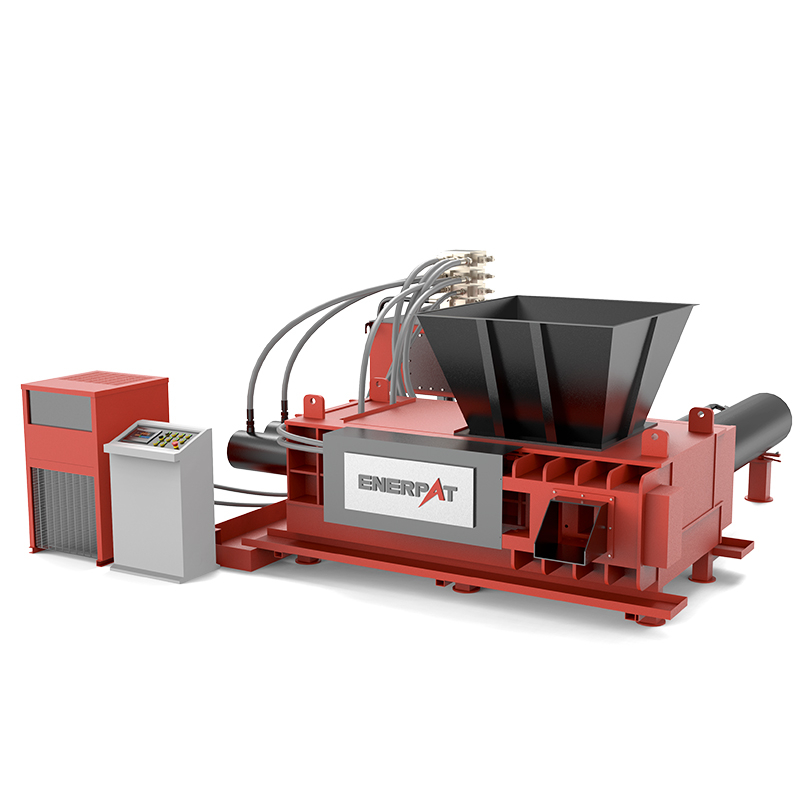
Before operating a scrap metal baler, proper training is essential. Operators must meet specific age restrictions, typically being at least 18 years old, to comply with OSHA regulations. This ensures that they are physically and mentally prepared for the responsibilities involved in operating heavy machinery.
Training programs should include both initial instruction and ongoing education. New operators need comprehensive training that covers the machine's controls, safety features, and operational procedures. Regular refresher courses are also crucial to keep skills updated and to address any new safety protocols or technologies.
Understanding machine-specific controls is vital. Each baler model, like the Enerpat AMB-SC Series, has unique features that operators must know. Familiarity with these controls helps prevent accidents and increases operational efficiency.
A thorough pre-operation safety checklist can significantly reduce risks associated with operating a scrap metal baler. Here’s a detailed checklist operators should follow:
1. Equipment Integrity Checks:
a. Inspect the baler for signs of wear, leaks, or structural damage.
b. Ensure that hydraulic hoses are intact and not frayed.
2. Safety Guards and Interlocks Verification:
a. Check that all safety guards are in place and secure.
b. Test the interlock systems to ensure they function properly, preventing operation when guards are removed.
3. Emergency Stop Button Tests:
a. Verify that emergency stop buttons are accessible and operational.
b. Conduct a test to ensure they immediately halt the baler’s operation.
4. Work Area Cleanliness and Safety:
a. Ensure the surrounding area is free of debris and obstructions.
b. Maintain clear pathways for safe movement around the baler.
For Enerpat balers, additional checks are necessary to ensure optimal performance. One crucial aspect is the integrity of HARDOX steel components. Operators should examine these parts regularly to confirm they are free from cracks or excessive wear, as this material is designed for durability in demanding environments.
Pre-Operation Safety Item | Description | Importance |
Equipment Integrity | Inspect for wear and leaks | Prevents malfunctions and enhances safety |
Safety Guards | Ensure guards are secure | Protects operators from moving parts |
Emergency Stops | Test functionality of emergency buttons | Ensures immediate shutdown in emergencies |
Work Area Safety | Maintain cleanliness around the baler | Reduces trip hazards and promotes safe operation |
By following these pre-operation safety measures, operators can create a safer working environment. This proactive approach helps prevent accidents and ensures that the scrap metal baler operates efficiently and effectively.
When operating a scrap metal baler, wearing the right personal protective equipment (PPE) is crucial for ensuring safety. Here’s a list of essential PPE items:
1. Safety Goggles: Protect your eyes from flying debris and metal shards. They are vital when loading materials or during the baling process.
2. Gloves: Heavy-duty gloves provide grip and protect your hands from sharp edges and pinch points. Choose gloves that are cut-resistant for added safety.
3. Steel-Toed Boots: These boots protect your feet from heavy objects that may fall or roll during operation. They also provide ankle support, reducing the risk of injuries.
4. Hard Hats: Wearing a hard hat is essential in environments where overhead hazards exist. It protects your head from falling objects, ensuring you stay safe while working.
PPE Item | Purpose | Importance |
Safety Goggles | Protects eyes from debris | Prevents eye injuries during operation |
Gloves | Shields hands from sharp objects | Reduces the risk of cuts and abrasions |
Steel-Toed Boots | Protects feet from heavy items | Prevents foot injuries from falling objects |
Hard Hats | Safeguards against head injuries | Essential in environments with overhead hazards |
Each piece of PPE plays a significant role in preventing injuries while operating a baler. For instance, safety goggles are crucial because they shield your eyes from potential hazards like flying metal fragments. Gloves not only protect your hands from cuts but also provide a better grip on materials, reducing the chance of accidents.
Steel-toed boots are designed to withstand heavy impacts, making them a must-have in any scrap yard. They help prevent serious injuries if something heavy were to fall on your feet. Lastly, hard hats are non-negotiable in areas where there’s a risk of falling debris, ensuring your head remains protected.
Maintaining your PPE is just as important as wearing it. Regular inspections should be conducted to ensure all equipment is in good condition. Here are some recommendations:
● Inspect Safety Goggles: Check for scratches or cracks that may impair visibility. Replace them if damaged.
● Check Gloves: Look for signs of wear, such as holes or tears. If gloves are compromised, they should be replaced immediately.
● Examine Steel-Toed Boots: Ensure there are no cracks in the toe cap and that the soles are intact. Worn-out boots should be replaced to avoid foot injuries.
● Review Hard Hats: Inspect for cracks or dents. Hard hats should be replaced every few years, even if they appear undamaged, as the materials can degrade over time.
Maintenance Task | Frequency | Importance |
Inspect Goggles | Before each use | Ensures clear vision and eye protection |
Check Gloves | Weekly | Maintains hand safety and grip |
Examine Boots | Monthly | Prevents foot injuries and enhances support |
Review Hard Hats | Annually | Ensures head protection is effective |
By following these guidelines for PPE, operators can significantly reduce the risk of injury while working with scrap metal balers. Proper use and maintenance of protective gear are key to a safe working environment.
Loading materials into a scrap metal baler requires careful attention to safety and efficiency. Here are some best practices to follow:
1. Best Practices for Loading Materials:
a. Always load materials evenly across the baler’s chamber. This helps prevent machine imbalance during operation.
b. Avoid overloading the baler, as this can lead to malfunctions or jams. Follow the manufacturer’s guidelines for maximum load capacity.
2. Importance of Even Distribution:
a. Unevenly distributed loads can cause excessive wear on the baler and lead to dangerous situations.
b. It’s essential to monitor the load as you fill the chamber to ensure it remains balanced.
3. Hands-Off Loading Techniques:
a. Whenever possible, use tools or machinery to assist in loading materials. For instance, a conveyor belt can help transfer scrap into the baler without putting your hands close to moving parts.
b. Avoid placing your hands inside the loading area while the baler is in operation. This reduces the risk of injury significantly.
Once the materials are loaded, engaging the baler must be done with care. Here’s a step-by-step guide to safely activate the baler:
1. Step-by-Step Activation:
a. Ensure all personnel are clear of the baler before activating it.
b. Press the start button only when you are certain that the area is safe.
2. Monitoring for Unusual Sounds or Vibrations:
a. While the baler is operating, listen for any strange noises or vibrations. These can indicate potential problems that need immediate attention.
b. If you notice anything unusual, stop the baler immediately and investigate.
3. Standing Clear During Compaction:
a. Always stand clear of the baler during the compaction cycle. This is critical to avoid injuries from sudden movements or ejections of materials.
Activation Step | Description | Key Reminder |
Ensure Area is Clear | Confirm no one is near the baler before starting | Safety first! |
Listen for Issues | Monitor for unusual sounds or vibrations | Stop the baler if anything seems off |
Stand Clear | Maintain a safe distance during operation | Prevents injuries from unexpected actions |
Jams can occur during baler operation, and knowing how to handle them safely is crucial. Here are steps to take if a jam occurs:
1. Steps to Take if a Jam Occurs:
a. Immediately stop the baler if you suspect a jam. Do not attempt to clear it while the machine is still running.
b. Use the emergency stop button if necessary to ensure the baler is completely shut down.
2. Following Lockout/Tagout (LOTO) Procedures:
a. Always implement Lockout/Tagout procedures before attempting to clear a jam. This ensures that the baler cannot be accidentally restarted while you are working on it.
b. Place a lock or tag on the power source to prevent unauthorized operation.
3. When to Seek Help from Maintenance Personnel:
a. If you cannot clear the jam yourself or if the baler shows signs of mechanical failure, contact maintenance personnel for assistance.
b. It’s better to err on the side of caution and let trained professionals handle complex issues.
Jam Clearing Step | Description | Importance |
Stop the Baler | Immediately halt operation if a jam is suspected | Prevents injury and further damage |
Implement LOTO | Use Lockout/Tagout procedures before clearing | Ensures safety during maintenance |
Contact Maintenance | Seek help if unable to resolve the jam | Ensures proper repair and safety |
By following these safe operating procedures, workers can significantly reduce the risk of accidents and ensure efficient operation of the scrap metal baler. Always prioritize safety and adhere to established guidelines for the best results.
After operating a scrap metal baler, it’s crucial to follow proper procedures for shutting down and securing the machine. Here’s how to do it safely:
1. Procedures for Shutting Down and Securing the Baler:
a. First, ensure that the baler is in a complete stop. Wait for all moving parts to cease operation.
b. Turn off the main power switch and unplug the baler if possible. This prevents any accidental starts during maintenance or cleaning.
2. Importance of Removing Keys:
a. Always remove the keys from the baler’s control panel before leaving the area. This simple step prevents unauthorized use and protects against potential accidents.
b. Store the keys in a designated safe location to ensure they are not accessible to untrained personnel.
Once the baler has been secured, it’s time to safely remove and transport the bales. Here are some best practices for doing this effectively:
1. Safe Methods for Removing and Transporting Bales:
a. Use appropriate lifting equipment, such as forklifts or pallet jacks, to handle bales. This reduces the risk of injury from manual lifting.
b. Ensure that the bales are stable and properly stacked before moving them to prevent tipping during transport.
2. Safety Precautions During Bale Handling:
a. Always wear PPE, including gloves and steel-toed boots, when handling bales to protect against injuries.
b. Communicate with team members when moving bales to ensure everyone is aware of the operation and can maintain a safe distance.
Regular maintenance is key to keeping your scrap metal baler in safe working order. Here’s what you need to know:
1. Regular Maintenance Checks:
a. Schedule routine checks for wear and tear on all components, including hydraulic systems and safety features. This helps identify issues before they become major problems.
b. Inspect the baler’s electrical systems to ensure everything is functioning correctly and safely.
2. Keeping Maintenance Logs:
a. Maintain detailed logs of all maintenance activities. This documentation is essential for accountability and helps track the machine's condition over time.
b. Use these logs to schedule future maintenance and to provide information for any professional service visits.
3. When to Contact Professional Service:
a. If you notice persistent issues, such as unusual noises or performance problems, it’s time to call in a professional for repairs.
b. Certain maintenance tasks, especially those involving the hydraulic system or PLC (Programmable Logic Controller), should only be performed by trained technicians.
4. Specific Maintenance Recommendations for Enerpat Balers:
a. For Enerpat balers, regularly check the hydraulic fluid levels and inspect hoses for leaks. This is vital for ensuring optimal performance.
b. Conduct PLC system inspections to ensure that the control systems are functioning correctly, which is crucial for safe operation.
Maintenance Task | Frequency | Importance |
Routine Inspections | Monthly | Identifies potential problems early |
Professional Service | As needed | Ensures complex repairs are handled safely |
Hydraulic Checks | Monthly | Prevents leaks and maintains performance |
By adhering to these post-operation and maintenance safety protocols, workers can ensure the longevity and safe operation of the scrap metal baler. Regular attention to these details contributes to a safer workplace and more efficient recycling processes.
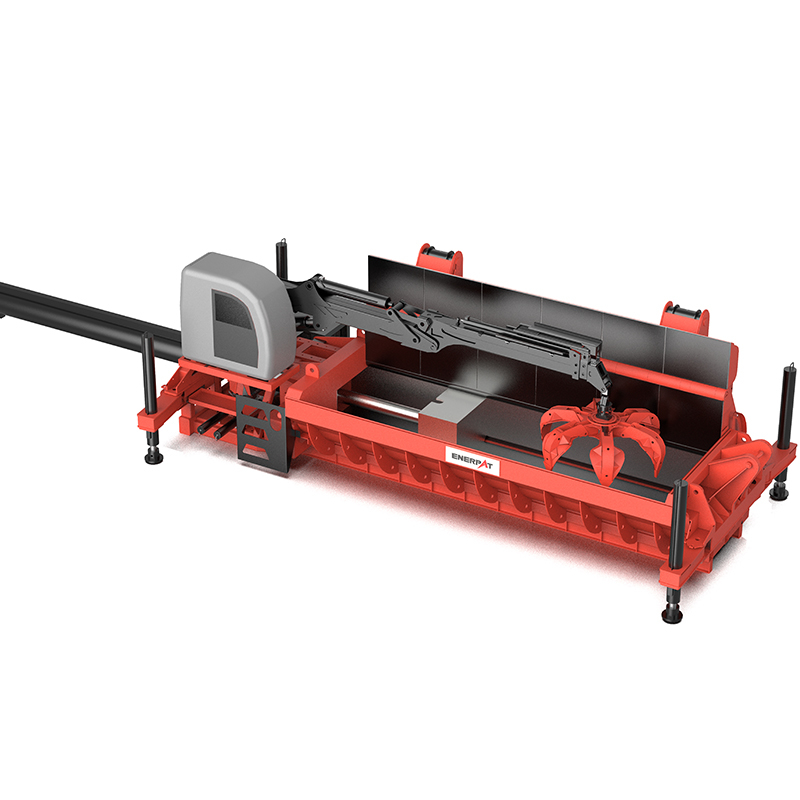
When it comes to operating a scrap metal baler, proper training is essential for ensuring safety and efficiency. Enerpat offers a variety of training programs specifically designed for their baler models, including the TH Series. These programs cover everything from basic operation to advanced troubleshooting techniques.
1. Overview of Training Programs:
a. Enerpat’s training resources include hands-on workshops, online courses, and instructional videos. This variety allows operators to learn in a way that suits their individual needs.
b. Training sessions focus on safety protocols, operational best practices, and maintenance procedures to keep the baler running smoothly.
2. Importance of Ongoing Education:
a. Continuous education is vital for operators, as it helps them stay updated on new technologies and safety regulations. Regular training sessions can significantly reduce the risk of accidents and improve overall efficiency.
b. Enerpat encourages operators to participate in refresher courses to reinforce their skills and knowledge.
3. How to Access Support and Resources:
a. Operators can access Enerpat’s training resources through their official website or by contacting customer support for personalized assistance.
b. Additionally, Enerpat provides manuals and troubleshooting guides that are available for download, making it easy for operators to find the information they need.
Training Resource | Description | Benefits |
Hands-On Workshops | In-person training sessions | Practical experience and direct feedback |
Online Courses | Flexible learning options | Accessible anytime, anywhere |
Instructional Videos | Visual learning materials | Easy to follow and understand |
In addition to training, Enerpat offers robust global service support for operators facing safety procedures or equipment issues. This support is crucial for maintaining operational efficiency and minimizing downtime.
1. How to Get Assistance:
a. Operators can reach out to Enerpat’s customer service team via phone, email, or through their website. Quick access to support ensures that any issues can be addressed promptly.
b. Enerpat also provides a comprehensive FAQ section online, which can help operators troubleshoot common problems without needing immediate assistance.
2. Importance of Timely Support:
a. Quick response times are essential for minimizing downtime. When a baler experiences issues, getting expert assistance can help operators return to work faster and maintain productivity.
b. Enerpat’s commitment to timely support means that operators can rely on expert guidance whenever they encounter challenges.
3. Enerpat's Global Presence:
a. With a strong global presence, Enerpat has service centers located in various regions, ensuring that operators around the world have access to expert assistance.
b. This commitment to customer service means that no matter where you are, help is just a call away, reinforcing the importance of reliable support in the operation of scrap metal balers.
By leveraging Enerpat’s training resources and global service support, operators can enhance their skills and ensure they have the assistance needed to operate scrap metal balers safely and efficiently. This comprehensive approach to training and support fosters a safer working environment and improves the overall effectiveness of operations.
Operating a scrap metal baler safely is crucial for preventing accidents. Following the guidelines in this article ensures a safer workplace.
We encourage all operators to adhere to these safety practices.
For further training and support, engage with Enerpat. Their resources can enhance your skills and improve safety.


 English

