

Views: 0 Author: Site Editor Publish Time: 2025-12-31 Origin: Site


Are you struggling to manage scrap metal efficiently? Choosing the right scrap metal baler can significantly enhance your recycling operations. In this article, we’ll explore seven critical factors to consider when selecting a scrap metal baler, ensuring you make an informed decision for your business.
A scrap metal baler is a powerful machine designed to compress and bundle scrap metal into manageable bales. This process significantly reduces the volume of metal waste, making it easier to transport and store. By creating uniform bales, these machines enhance the efficiency of recycling operations.
There are several types of scrap metal balers available, each suited for different processing needs. Here’s a quick overview:
Type | Description |
Vertical Baler | Compact design, ideal for small spaces and low volumes. |
Horizontal Baler | Suitable for high-volume operations, offers faster processing. |
Automatic Baler | Fully automated, minimizing labor costs and maximizing efficiency. |
Scrap metal balers play a crucial role in recycling and waste management. They help streamline the recycling process by transforming large quantities of scrap into easily transportable bales. This not only saves space but also reduces transportation costs.
Using a scrap metal baler comes with multiple advantages:
1. Cost Savings: By compressing metal waste, businesses can reduce disposal costs and improve profits from recycling.
2. Efficiency: Baling scrap metal makes handling easier, allowing for quicker processing times and more effective logistics.
3. Environmental Impact: Efficient recycling reduces landfill waste, contributing to a more sustainable environment.
Incorporating a scrap metal baler into your operations can lead to significant improvements in both cost-effectiveness and environmental responsibility. It’s a vital piece of equipment for any business involved in metal recycling.
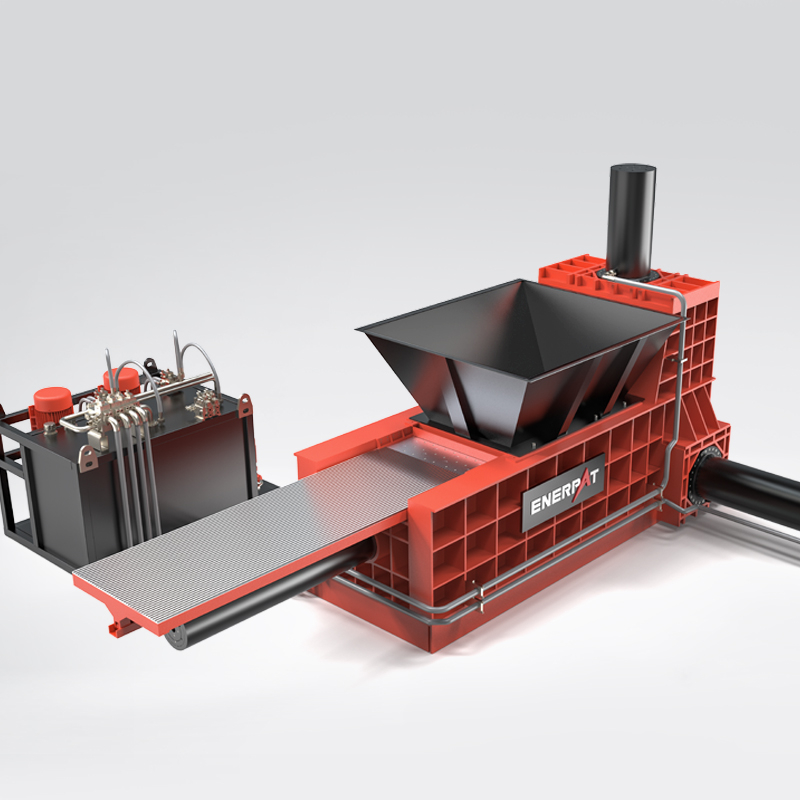
When selecting a scrap metal baler, understanding the types of metals you will process is essential. Metals are generally categorized as ferrous (containing iron) or non-ferrous (not containing iron). Ferrous metals, like steel, require heavy-duty balers due to their density and strength. Non-ferrous metals, such as aluminum, are lighter and can be handled with less robust machines.
The properties of the metal—such as density and flexibility—impact the choice of baler. For instance, lightweight metals like aluminum foil and metal shavings are best suited for the AMB-H model, which is designed for efficient handling of these materials. Conversely, heavier and larger metals benefit from the AMB-L model, which is engineered for high-hardness applications.
Here’s a quick reference table for suitable balers based on material types:
Model | Target Materials |
AMB-H | Lightweight metals (aluminum foil, metal shavings) |
AMB-L | High-hardness, large-sized metals |
TH Series | Versatile for aluminum, copper, iron, stainless steel |
AMB-SC Series | End-of-life vehicles, heavy-duty mixed metals |
Assessing your daily or hourly waste output is crucial when choosing a baler. If your operation handles low volumes, a compact model may suffice. However, for high-volume operations, you need a baler that can keep up with demand.
To accurately assess throughput requirements, consider conducting a waste audit. This audit will help determine how much scrap metal you generate daily. For instance, the AMB-SC Series stands out here, achieving impressive throughput rates of 15.6 tons per hour for ferrous materials and 7.8 tons per hour for aluminum. Matching the baler's capacity to your facility's needs ensures efficiency and reduces downtime.
● Current Output: Track your current scrap output to find an appropriate baler.
● Future Growth: Consider your future needs. If you expect an increase in scrap volume, invest in a baler with higher capacity.
● Operational Shifts: For businesses operating multiple shifts, a baler with high throughput is essential to maintain workflow.
Compression force, measured in PSI or tons, is another critical factor. It determines how tightly the metal is packed into bales. Higher bale density is essential for maximizing market value and improving transport efficiency. For example, denser bales take up less space during shipping, which can lead to significant cost savings.
To determine the required compression force, consider the type of material being processed. Heavier metals require greater force to achieve optimal density. A baler with adjustable compression settings can provide flexibility for different materials.
● Market Value: Buyers often prefer denser bales because they are more economical to transport and process.
● Transport Efficiency: Denser bales can reduce shipping costs and improve logistics.
● Material Integrity: Properly compressed bales maintain their shape during transport, reducing the risk of damage.
Bale dimensions play a vital role in storage and shipping logistics. Standardized bale sizes not only facilitate easier handling but also reduce transportation costs. When dealing with foundries, compatibility with their furnace specifications is crucial. This ensures the bales can be efficiently processed once they reach their destination.
Consider the following factors when evaluating bale size:
● Storage Space: Ensure you have enough room to store bales before they are shipped.
● Transport Efficiency: Larger bales may reduce the number of trips needed for transportation, leading to lower fuel costs.
● Customer Requirements: Some buyers may have specific size requirements for the bales they purchase.
To illustrate, here’s a comparison of common bale sizes and their potential impact on logistics:
Bale Size | Storage Space Required | Transport Efficiency |
Standard (48"x30") | Moderate | High (fewer trips needed) |
Large (60"x36") | High | Very High (maximized load) |
Small (36"x24") | Low | Lower (more trips needed) |
Evaluating the available floor space is essential before purchasing a baler. Vertical balers are great for facilities with limited floor space but require adequate ceiling height. On the other hand, horizontal balers need more floor space but are better for continuous operations.
To optimize your facility layout, consider the flow of materials from receiving to processing. A well-planned layout can enhance productivity and reduce handling time. Here are some tips for effective layout planning:
● Material Flow: Arrange equipment so that materials move smoothly from input to output without unnecessary handling.
● Accessibility: Ensure operators can easily access the baler for maintenance and operation.
● Safety Zones: Designate safety zones around the baler to protect workers during operation.
```plaintext [Receiving Area] --> [Baler] --> [Storage Area]
This simple flow can significantly reduce the time spent moving materials between areas.
Automation is increasingly important in modern scrap metal processing. Manual balers may be cost-effective for smaller operations, but automated balers significantly improve efficiency and safety.
Consider the following benefits of automation:
● Labor Reduction: Automated systems can handle tasks like loading and unloading, reducing the need for manual labor.
● Increased Safety: Automation minimizes the risk of accidents by reducing human interaction with heavy machinery.
● Data Monitoring: Features like PLC controls and IoT monitoring provide real-time data on production and maintenance needs, making it easier to manage operations.
● Remote Monitoring: Check performance metrics from anywhere.
● Automatic Bale Ejection: Saves time and labor.
● Predictive Maintenance Alerts: Reduces unexpected downtimes.
Investing in a baler with advanced automation features can lead to long-term savings and improved operational efficiency.
Operational reliability is key for long-term return on investment (ROI). When selecting a baler, pay attention to essential safety features, such as emergency stops and safety interlocks. Understanding the warranty coverage is also crucial. For example, ENERPAT offers a 1-year full machine warranty and a 5-year motor warranty, showcasing their confidence in product durability and reliability.
Regular maintenance is vital to ensure the baler's longevity. This includes:
● Routine Inspections: Check for wear and tear on critical components.
● Lubrication: Keep moving parts well-lubricated to prevent malfunction.
● Training: Ensure operators are trained in safe operating procedures and maintenance practices.
● Safety Standards: Ensure the baler meets local safety regulations.
● Environmental Compliance: Check for adherence to environmental guidelines to avoid fines.
● Warranty and Support: Verify warranty details and after-sales support options.
By focusing on these critical factors, you can choose the right scrap metal baler that meets your operational needs while ensuring safety and compliance.
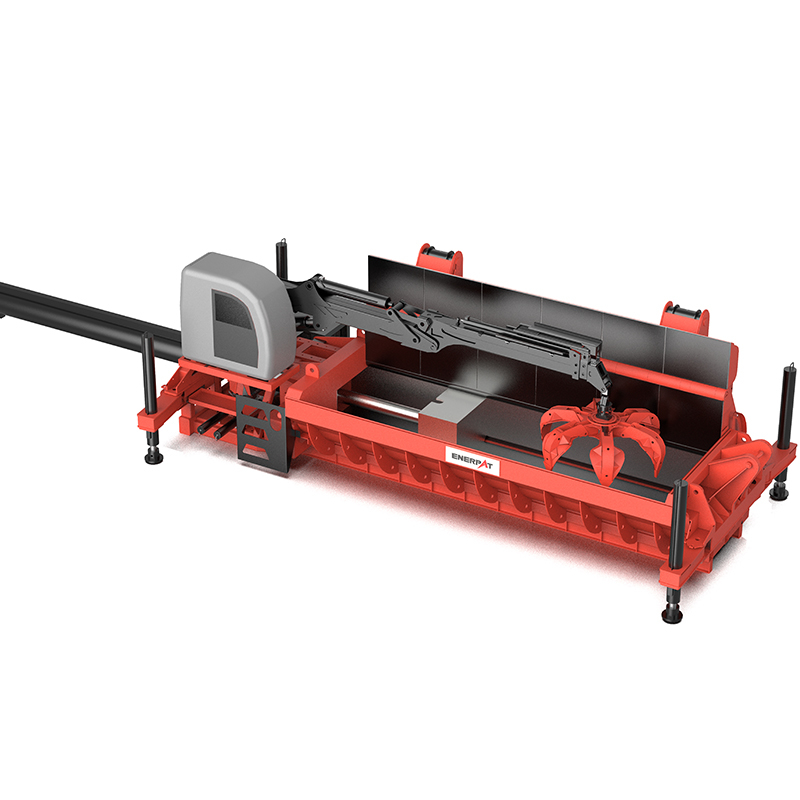
When selecting a scrap metal baler, the brand's experience and reputation can significantly influence your decision. A company with a long-standing history in the industry often demonstrates reliability and expertise. For instance, ENERPAT has a remarkable 90-year legacy in solid waste processing. This extensive experience means they have refined their products over decades, ensuring high performance and durability.
Moreover, brand reputation can be gauged by client track records. ENERPAT's partnerships with 278 Fortune Global 500 companies highlight their credibility. This level of trust from major corporations indicates proven performance and customer satisfaction. Here’s a quick overview of how brand reputation impacts your choice:
Factor | Importance |
Experience | Longer history often means better product quality. |
Client Base | Partnerships with reputable companies signify trust. |
Customer Reviews | Positive feedback reflects reliability and service. |
Understanding the initial investment versus long-term savings is crucial when purchasing a scrap metal baler. While a lower upfront cost might seem attractive, it’s essential to consider the total cost of ownership (TCO). TCO includes not only the purchase price but also maintenance, operational costs, and potential downtime.
To evaluate TCO effectively, consider the following factors:
1. Maintenance Costs: Regular servicing and parts replacement can add up over time.
2. Energy Efficiency: More efficient machines may have higher upfront costs but save money on energy bills.
3. Operational Downtime: A reliable baler minimizes downtime, which can lead to lost revenue.
Here’s a simplified breakdown of costs to consider:
Cost Factor | Description |
Purchase Price | Initial cost of the baler. |
Maintenance | Ongoing costs for upkeep and repairs. |
Energy Costs | Monthly electricity or fuel expenses. |
Downtime Costs | Revenue lost during periods of non-operation. |
Scrap metal balers play a vital role in promoting sustainable practices. By efficiently compressing scrap metals, balers reduce waste and encourage recycling, which is essential for environmental conservation. A well-functioning baler helps divert metal waste from landfills, contributing to a circular economy.
Compliance with environmental regulations and certifications is another critical aspect. For example, ENERPAT's products are CE and ISO certified. These certifications ensure that their balers meet international standards for safety and quality. Here’s how certifications impact your decision:
Certification | Benefits |
CE Certification | Ensures compliance with European safety standards. |
ISO Certification | Guarantees quality management and operational efficiency. |
Environmental Compliance | Meets local and international environmental regulations. |
By choosing a baler from a reputable brand like ENERPAT, you not only invest in quality equipment but also contribute to sustainable practices and compliance with necessary regulations. This makes your operation not just efficient but also environmentally responsible.
Choosing the right scrap metal baler involves seven critical factors. These include material type, throughput, compression force, bale size, facility space, automation level, and maintenance.
It's essential to conduct thorough research and consult with experts.
Consider your specific needs carefully. Reach out for advice on the best scrap metal baler for your operation. Making an informed choice can enhance efficiency and sustainability in your recycling efforts.
A: The main types include vertical balers, horizontal balers, automatic balers, and heavy-duty balers.
A: Assess your material types, volume, space, and automation needs to find the best fit.
A: Regular inspections, lubrication, and operator training are essential for optimal performance.
A: Generally, balers are designed for metals; using them for non-metal materials may void warranties.
A: Optimize layout, ensure proper maintenance, and consider automation features to enhance efficiency.


 English

