

Views: 171 Author: Site Editor Publish Time: 2026-07-24 Origin: Site


Handling empty 55-gallon drums rapidly drains facility space, increases hazardous waste disposal fees, and introduces severe operational bottlenecks. Piles of uncrushed barrels consume valuable warehouse footprints and create logistical nightmares for your waste management teams. Evaluating equipment to solve this requires navigating competing claims. You must verify details about crushing force, cycle times, and compliance standards. Making the wrong choice leads to stalled motors, ruptured containers, or hefty regulatory fines.
This guide provides facility managers and procurement teams with a strict, criteria-driven framework. We outline how to evaluate, size, and implement drum compacting equipment effectively. You will learn the exact mechanical requirements needed to tackle heavy-duty steel and examine the essential safety features required for compliance. By following these guidelines, facilities can transform an inefficient waste stream into a streamlined, cost-effective process.
Volume dictates viability: Purchasing is typically justified only when generating high monthly volumes of empty drums, where hauling costs outweigh equipment amortization.
Force over aesthetics: A true heavy-duty unit relies on high-PSI hydraulic systems; underpowered units fail on steel drums with residual reinforcement.
Compliance is non-negotiable: Equipment must align with OSHA safety standards and EPA guidelines for handling hazardous residues and volatile compounds.
OEM vs. Distributor: Working directly with an OEM allows for custom modifications (e.g., explosion-proof motors, specialized drip pans) that generic catalogs cannot provide.
Hauling uncrushed drums carries hefty per-trip costs. You pay primarily for dead air when shipping intact 55-gallon barrels. A standard commercial truck might hold just a few dozen full-sized drums. In contrast, crushing them yields high-density metal pucks. This process allows you to transport hundreds of units per load, drastically cutting freight charges and fuel surcharges. You must also factor in floor space recovery. Ten uncrushed 55-gallon drums take up massive square footage in a busy warehouse. Ten crushed discs stack neatly, often reduced to just four to six inches in height. By reclaiming this space, facilities optimize their storage areas for revenue-generating activities rather than waste staging.
Labor inefficiencies also contribute heavily to the cost of uncrushed waste. Workers spend hours manually moving bulky barrels around the loading dock. A dedicated compacting station minimizes material handling time. Employees simply load the barrel, cycle the machine, and stack the puck on a nearby pallet. This improved workflow frees up your maintenance staff for higher-priority tasks across the plant.
Establish a solid break-even timeline before authorizing capital expenditure. Base this calculation strictly on hauling fee reductions and potential scrap metal recycling revenues. Crushed steel often fetches a better price at scrapyards due to its high density. Scrappers prefer dense bales or pucks because they melt down more efficiently in recycling furnaces. An effectively deployed industrial drum crusher pays for itself through these combined savings over a few financial quarters.
However, transparency remains vital during the evaluation phase. Facilities processing fewer than 10 to 15 drums monthly might struggle to recoup the upfront investment of a high-end commercial unit. Low-volume generators should audit their waste streams carefully. If your monthly drum count falls below this threshold, outsourcing disposal might remain more economical. High-end machinery demands sufficient throughput to justify the acquisition and installation costs.
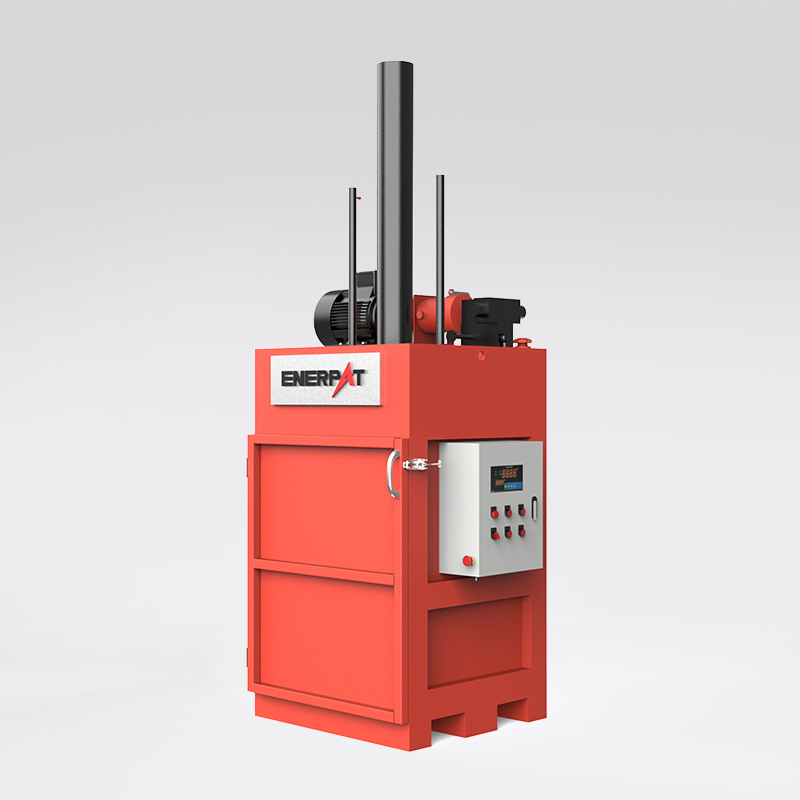
Hydraulic systems represent the undisputed gold standard in heavy-duty drum compaction. They utilize high-pressure hydraulic fluid to drive a massive steel platen downward. This mechanism delivers immense, sustained power throughout the entire stroke. A proper hydraulic drum crusher typically generates between 60,000 to 85,000 pounds of crushing force. You need this specific power range to handle standard steel 55-gallon drums safely. Heavy-duty plastics also yield easily to this level of pressure.
The hydraulic approach ensures smooth, continuous force. This prevents the motor from stalling against rigid steel ribs or reinforced container chimes. When evaluating these systems, check the pump specifications and fluid reservoir capacity. Larger reservoirs keep the hydraulic oil cooler during back-to-back operations. This extends the lifespan of internal seals and prevents premature pump failure during high-volume shifts.
You might occasionally encounter air-driven or mechanical screw presses in equipment catalogs. These alternative units serve a entirely different market segment. They remain generally insufficient for thick industrial steel. Instead, they handle light aluminum containers, used oil filters, or standard five-gallon pail crushing tasks. Pneumatic systems rely on your facility's existing compressed air lines, which often fluctuate in pressure.
Use a strict decision lens during the procurement phase. Avoid under-speccing your machinery just to save on initial purchase prices. You must match the platen force strictly to the toughest container material in your waste stream. If you process reinforced steel drums, a pneumatic unit will fail quickly and require constant maintenance. An effective waste container crusher must align perfectly with your most demanding materials.
Equipment Drive Type | Primary Operating Mechanism | Ideal Material Application | Typical Force Range |
|---|---|---|---|
Hydraulic | Fluid pressure driving a heavy platen | Steel 55-gallon drums, thick plastics | 60,000 - 85,000+ lbs |
Pneumatic | Compressed air cylinder systems | Paint pails, oil filters, thin aluminum | 5,000 - 15,000 lbs |
Mechanical | Motorized screw press or gear-driven | Light general waste, cardboard boxes | Variable, generally low |
Evaluating a reliable drum crusher machine requires analyzing three major performance metrics. First, scrutinize the crushing force, often measured in tonnage. Industry standards dictate a minimum of 30 to 40 tons of force for reliable steel drum compression. Anything less risks leaving the drum partially crushed. It can also jam the platen mid-cycle, requiring dangerous manual intervention to clear the chamber.
Second, assess the cycle time. Measure the duration from door closure to platen reset. This usually takes 30 to 60 seconds on standard models. However, extremely fast cycle times matter only if your labor workflow supports continuous, uninterrupted loading. Finally, verify the exact chamber dimensions. Ensure the internal chamber accommodates unexpected variations in drum sizes. For instance, you might occasionally process 85-gallon overpack drums, which require wider internal clearances.
Identify the maximum drum dimensions your facility processes annually.
Confirm the machine's tonnage rating meets or exceeds the 30-ton threshold.
Calculate your realistic loading speed to determine necessary cycle times.
Review the cylinder stroke length to ensure it fully flattens the container.
Heavy compacting machinery demands robust facility infrastructure. You cannot simply plug these units into standard 120-volt wall outlets. Most high-capacity crushers require dedicated 3-phase electrical availability. You will commonly need 208, 230, or 460-volt connections hardwired to a nearby breaker panel. Consult your facility engineers early to confirm this electrical capacity exists near the proposed installation site.
Additionally, meticulously measure your ceiling height clearances. The hydraulic cylinder extends upward significantly during the crushing operation. You must ensure adequate vertical space for the cylinder at full extension. Failing to account for this can result in structural damage to overhead pipes, HVAC ducts, or lighting fixtures. Also, verify your concrete floor rating; these machines weigh thousands of pounds and require level, reinforced concrete pads for safe anchoring.
Handling waste containers introduces significant environmental and chemical risks. Empty drums frequently contain hazardous residual liquids like oils, solvents, or chemical sludges. Your equipment requires integrated liquid catch basins. It also needs dedicated hazardous waste drainage ports to capture runoff safely. Plumb these ports directly into approved secondary containment vessels. This prevents accidental soil and groundwater contamination while keeping your facility aligned with EPA Resource Conservation and Recovery Act (RCRA) guidelines.
Managing volatile vapors poses another critical engineering challenge. Drums previously holding flammables retain explosive gases long after emptying. Sourcing explosion-proof motors remains crucial for these applications. You need electrical components rated Class 1, Division 1. You should also integrate localized exhaust ventilation systems. These features actively pull dangerous fumes away from the operator during the crushing cycle, venting them safely outdoors or through scrubber systems.
OSHA alignment remains absolutely mandatory for industrial facility safety. Every crusher must include specific, non-bypassable safety features to protect line workers.
Safety interlock switches: These prevent the hydraulic pump from engaging when the chamber door remains open, eliminating pinch point hazards.
Emergency stop buttons: Operators need immediate, prominent shutdown capabilities located within easy reach on the main control panel.
Fully enclosed chambers: The crushing zone must feature robust steel shielding to prevent metal shrapnel, bursting bungs, or pressurized liquids from escaping.
Two-hand controls: Many modern units require the operator to press two separate buttons simultaneously, ensuring their hands remain far away from the crushing mechanism.
Ignoring these fundamental safety standards invites severe regulatory penalties and directly endangers your workforce.
Even the most advanced equipment fails if operators misuse it. Operator error presents a massive implementation risk. A notoriously common mistake involves attempting to crush drums with sealed bungs. Trapped air inside a completely sealed drum acts like a bomb under 40 tons of pressure. This extreme compression causes hydraulic blowouts, shattered doors, or explosive pressure releases.
You mitigate this specific risk through rigorous standard operating procedure (SOP) training. Operators must understand proper drum preparation inside and out. They must visually inspect and remove all bungs, lids, and locking rings before loading any barrel into the chamber. Implement mandatory sign-off logs near the machine to ensure every shift follows these preparation steps precisely.
Procurement teams often debate where to buy their compacting equipment. Generic catalog resellers offer faster shipping times for standard SKUs. However, they provide incredibly limited support for complex facility integrations. If you need special electrical wiring or modified dimensions, a catalog reseller cannot adapt the design. They merely move boxes from a warehouse to your loading dock.
Conversely, working with direct manufacturers delivers distinct, long-term advantages. An OEM drum press builder remains better suited for custom electrical configurations and specialized drip pan designs. They guarantee long-term parts availability and offer direct engineering support. Apply logical shortlisting strategies during your search. Request spec sheets detailing component origins. Compare standard off-the-shelf hydraulics against the manufacturer's proprietary parts. This diligence helps you accurately gauge future maintenance ease and replacement part lead times.
Evaluate your monthly container volume carefully to ensure the investment yields a positive, measurable financial return.
Always match the machine's hydraulic pressing force to the thickest steel drums you plan to process to prevent equipment stalling.
Prioritize critical safety features like explosion-proof components and door interlocks to maintain strict OSHA and EPA compliance.
Partner directly with OEM manufacturers to secure robust warranties, reliable parts access, and custom facility integrations.
To move forward effectively, audit your current monthly drum disposal costs right now. Walk the production floor to verify your facility's electrical infrastructure capacity and ceiling clearance. Once you accurately document these vital metrics, you can confidently request targeted vendor quotes and select the perfect machine for your operations.
A: Industry standards require a minimum of 60,000 pounds, or 30 tons, of crushing force. This power level safely compresses ribbed steel drums down to a four to six-inch puck. Using lesser force risks stalling the motor, damaging the platen, and failing to achieve optimal storage density.
A: Yes, most heavy-duty units easily process smaller containers. However, efficiently managing these smaller items often requires specialized platen inserts. You may also need custom catch basins to manage excess fluid runoff effectively without creating a mess inside the main crushing chamber.
A: This depends strictly on your facility's safety classification and the residual contents of the drums. If your barrels previously held paints, solvents, or fuels, explosion-proof components are critical. Always consult your facility’s Environmental Health and Safety (EHS) manager before finalizing procurement decisions.
A: Standard preventative maintenance keeps the machine running safely. You should regularly check hydraulic fluid levels and inspect all hoses for high-pressure leaks. Additionally, operators must grease guide rails frequently and routinely test door safety interlocks to ensure OSHA compliance.


 English


