

Views: 0 Author: Site Editor Publish Time: 2025-09-26 Origin: Site


A vertical baler is a compact, high-efficiency machine designed to compress and bundle recyclable materials into uniform, manageable bales. By applying hydraulic pressure, these balers transform loose materials such as cardboard, paper, plastics, and textiles into dense, easy-to-handle bundles. Vertical balers are widely used in recycling centers, warehouses, manufacturing facilities, and municipal waste management operations.
While vertical balers are ideal for facilities with limited floor space and moderate processing volumes, horizontal balers are often preferred for high-volume operations that require continuous feeding and faster output. Understanding the differences between vertical and horizontal balers helps businesses choose the right solution for their recycling and waste management needs, ensuring both efficiency and cost-effectiveness.
Vertical balers are versatile machines capable of handling a wide range of recyclable and industrial materials. Understanding the types of materials they process helps businesses select the right baler and optimize their recycling workflow.
Cardboard is one of the most common materials processed by vertical balers. These balers are widely used in retail stores, warehouses, and shipping centers to compress cardboard into compact bales, reducing storage space and simplifying transportation.
Vertical balers efficiently handle various types of paper, including office paper, newspapers, and mixed paper. By compressing loose paper into uniform bales, companies can streamline recycling, reduce clutter, and lower disposal costs.
Plastics such as films, PET/HDPE bottles, and packaging plastics are lightweight but bulky, making storage and transport inefficient. Vertical balers significantly reduce the volume of plastic waste, making it easier to store, transport, and recycle.
Vertical balers are also used in garment recycling, textile production, and industrial fabric scrap management. Compressing textiles into bales helps maintain organization, improves space utilization, and facilitates easier transport.
Industrial facilities often produce metal scraps, packaging byproducts, and production leftovers. Vertical balers can compress these materials into dense, manageable bales, reducing clutter, optimizing warehouse space, and improving overall operational efficiency.
Vertical balers are essential tools in a variety of industries, helping businesses efficiently manage waste, maximize storage space, and streamline recycling processes. Their ability to compress loose materials into dense, uniform bales makes them invaluable in professional and industrial settings.
In recycling centers, vertical balers are widely used for preparing materials such as cardboard, plastics, and paper for resale, transport, or further processing. By compressing these loose materials into neat, manageable bales, facilities can improve sorting efficiency, reduce clutter, and optimize storage space. The use of vertical balers also allows recycling centers to process higher volumes of recyclables with minimal labor, increasing overall operational efficiency.
Warehousing and logistics operations benefit greatly from vertical balers. They help manage recyclable materials in confined storage areas and compact cardboard and packaging waste, making it easier to organize and transport materials. By reducing the bulk of waste, vertical balers maximize available floor space, streamline warehouse workflow, and lower handling costs, which is crucial for high-volume distribution centers.
In manufacturing and production facilities, vertical balers are used to handle production byproducts, scrap materials, and excess packaging. By efficiently compressing waste into compact bales, these machines help maintain clean, safe, and organized work environments, supporting lean manufacturing practices. Vertical balers also simplify recycling and disposal, reducing labor requirements and transportation needs while enhancing overall productivity.
Vertical balers play a significant role in municipal waste management, helping to process residential and commercial waste streams efficiently. Compressed bales reduce the number of trips required for waste collection, lower fuel consumption, and support environmentally sustainable practices. Municipalities and commercial waste management companies benefit from faster handling, safer operations, and improved recycling rates, making vertical balers a practical solution for large-scale waste processing.
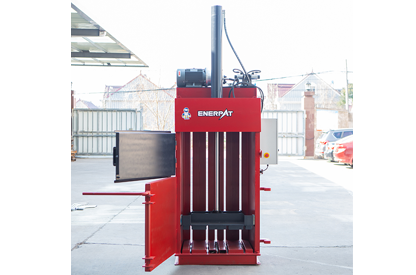
Vertical balers are not only used in large-scale industrial settings but also play a crucial role in specialized applications across various industries. Their ability to compress materials into dense, uniform bales improves storage efficiency, reduces transportation costs, and supports sustainable recycling practices.
In retail and e-commerce distribution centers, vertical balers help compress packaging waste from shipments, product returns, and handling materials. By transforming bulky cardboard and mixed packaging into compact bales, these centers can maximize warehouse space, streamline logistics, and reduce handling labor, all while maintaining an organized and safe working environment.
Hotels, restaurants, and catering services generate significant amounts of packaging waste from food deliveries and consumables. Vertical balers allow these facilities to efficiently manage cardboard and packaging materials, minimizing clutter and improving waste collection processes. Compact bales also simplify recycling and reduce disposal costs, supporting environmentally responsible practices.
In the textile and apparel industry, vertical balers are used to compress textile scrap, fabric offcuts, and used materials for recycling. This helps manufacturers maintain a clean, organized production floor, reduces storage needs, and facilitates the reuse of materials in other processes, contributing to sustainable manufacturing and waste reduction initiatives.
The plastic and beverage industry faces challenges with lightweight but bulky materials like PET/HDPE bottles, plastic films, and flexible packaging. Vertical balers efficiently compress these materials into tight, manageable bales, reducing transport volume and costs. This process not only improves operational efficiency but also supports recycling programs and minimizes environmental impact.
Vertical balers offer a wide range of benefits for businesses operating in recycling, manufacturing, logistics, and municipal waste management. By efficiently compressing loose materials into compact, uniform bales, these machines help facilities optimize storage space, reduce transportation costs, and improve overall operational efficiency. One of the key advantages of vertical balers is space efficiency: by significantly reducing the volume of recyclable materials, they allow for more organized storage and make it easier to stack bales, maximizing the available warehouse or facility area. In addition to saving space, vertical balers contribute to cost reduction by lowering transportation expenses and minimizing the number of trips required to move materials, while also reducing manual labor needs, saving both time and workforce resources. They also enhance recycling and material handling processes, as compressed bales are easier to transport, sort, and process at recycling facilities, streamlining workflows and improving throughput. Safety is another important benefit, as modern vertical balers are equipped with emergency stops, interlocks, and power cut-offs, which help protect employees from accidents during compression and ejection. Furthermore, these machines support environmental sustainability by promoting efficient recycling, reducing fuel consumption related to transportation, and helping businesses adopt eco-friendly practices. Finally, vertical balers are highly versatile and adaptable, capable of handling a wide range of materials, including cardboard, paper, plastics, textiles, and industrial waste, making them suitable for various industrial and commercial applications from warehouses and distribution centers to recycling plants, providing a reliable, efficient, and sustainable solution for modern waste management needs.
Vertical balers play a critical role across multiple industries, from recycling centers and manufacturing facilities to warehousing, logistics, and municipal waste management. They provide efficient solutions for handling a wide range of materials, including cardboard, paper, plastics, textiles, and industrial waste. By compressing loose materials into compact, uniform bales, vertical balers help businesses save valuable storage space, reduce transportation costs, improve workflow efficiency, and support sustainable recycling practices.
For companies looking to optimize their waste management and recycling operations, understanding the specific applications and advantages of vertical balers is essential. Choosing the right machine can significantly enhance productivity, lower operational costs, and promote safety in the workplace. To ensure the best results, it is recommended to consult with professionals at ENERPAT, who can provide expert guidance, tailored solutions, and advice on selecting the vertical baler that meets your facility’s unique needs. By leveraging ENERPAT’s experience and advanced technology, businesses can maximize the benefits of vertical balers and achieve efficient, cost-effective, and sustainable waste management solutions.


 English


