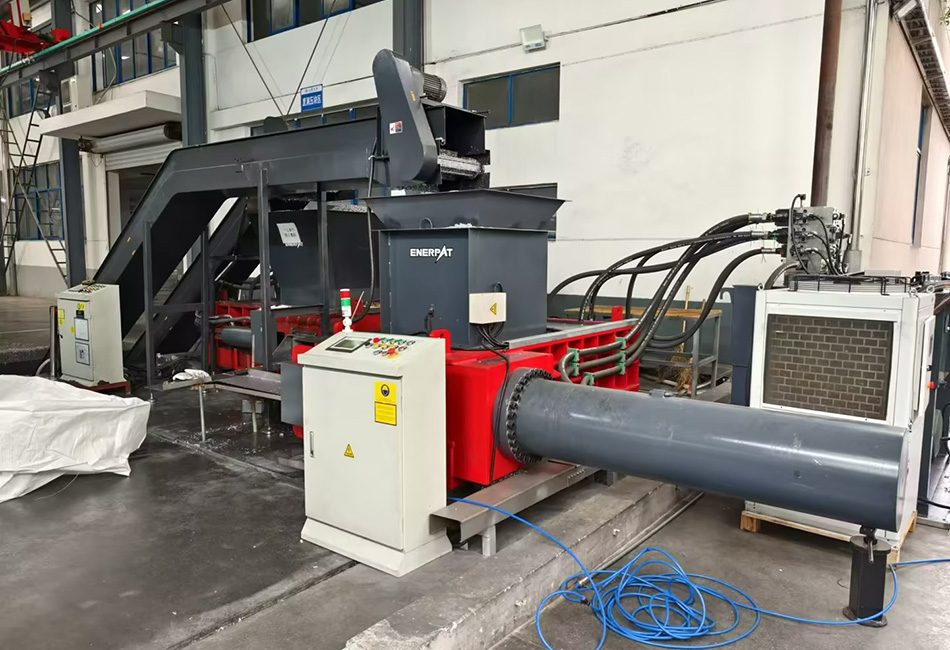
Metal scrap balers are widely used in metal scrap recycling to reduce volume. Depending on the drive system, common balers include mechanical metal balers, pneumatic metal balers and hydraulic metal balers. Among these options, hydraulic metal balers have their distinct advantages.This article expla
Read More 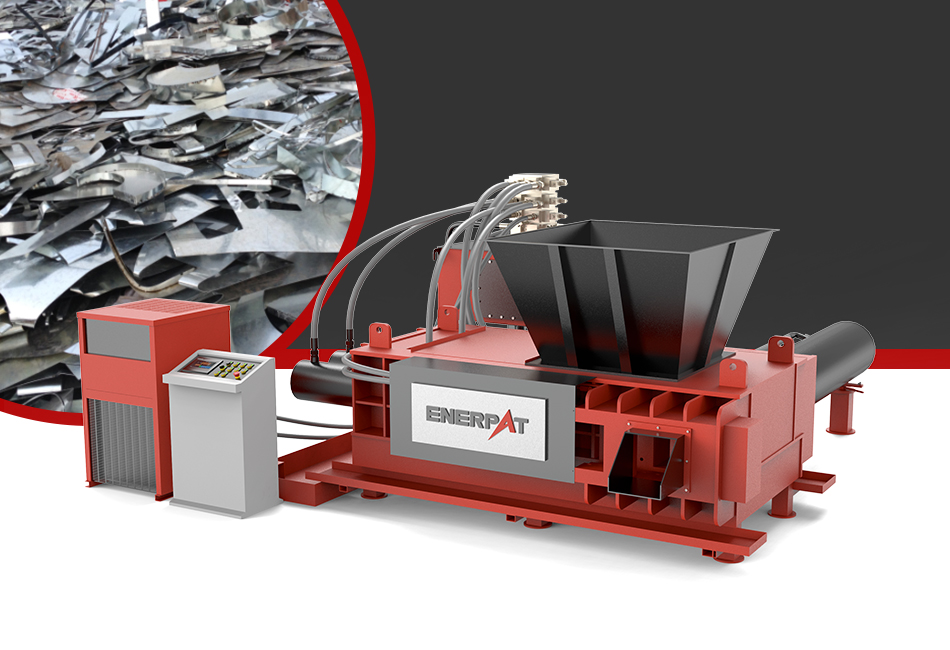
Avoid costly downtime when procuring industrial recycling equipment. Learn to evaluate waste streams, vet global suppliers, and mitigate risks.
Read More 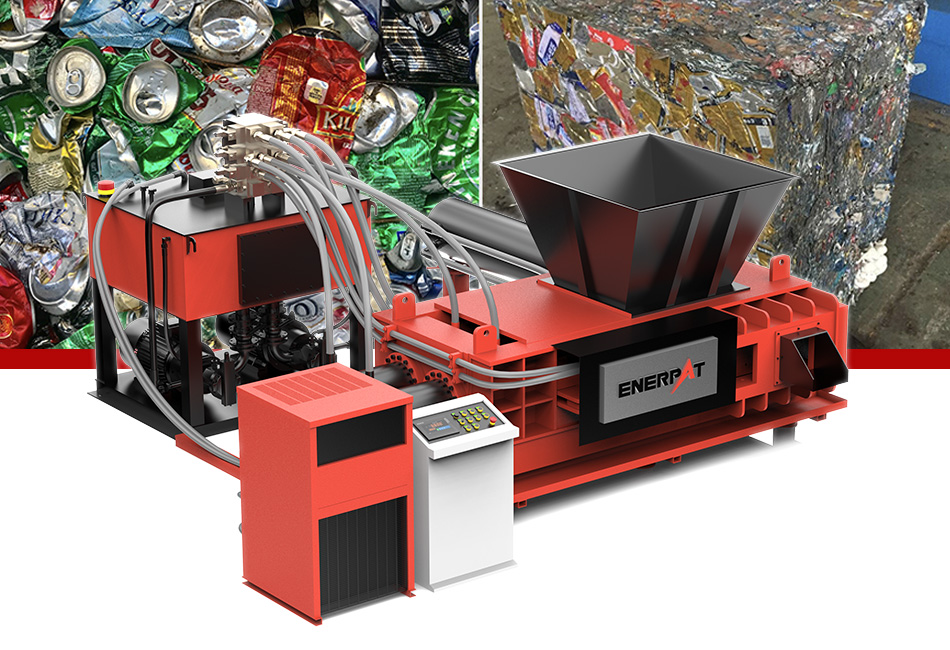
Stop shipping empty air. Discover how industrial aluminum can balers reduce UBC volume by 90%, slash freight costs, and maximize recycling ROI.
Read More 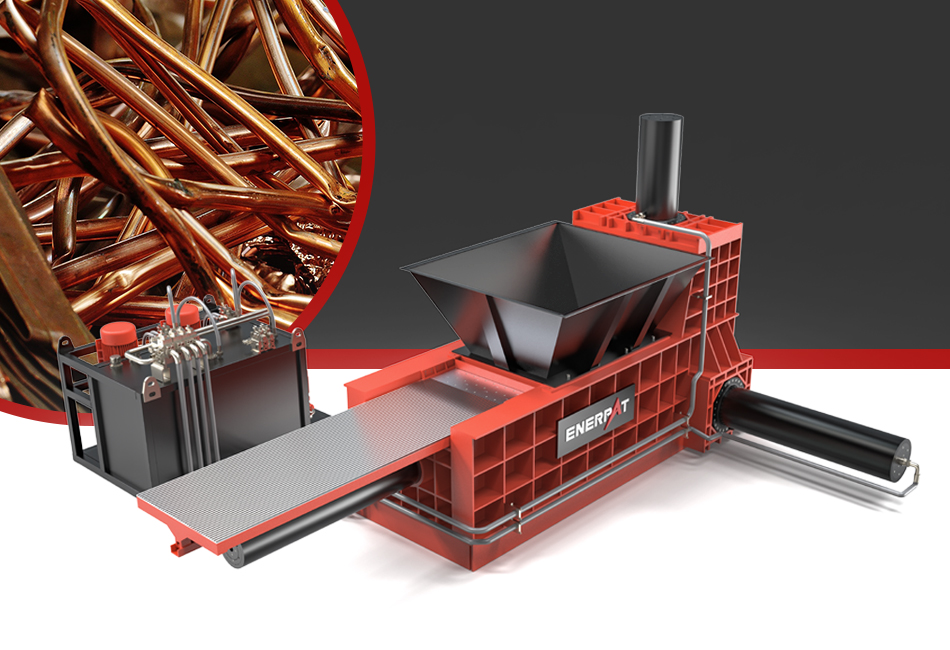
Stop shipping air. Discover how to choose the right copper scrap baler to maximize bale density, cut freight costs, and boost recycling profits.
Read More 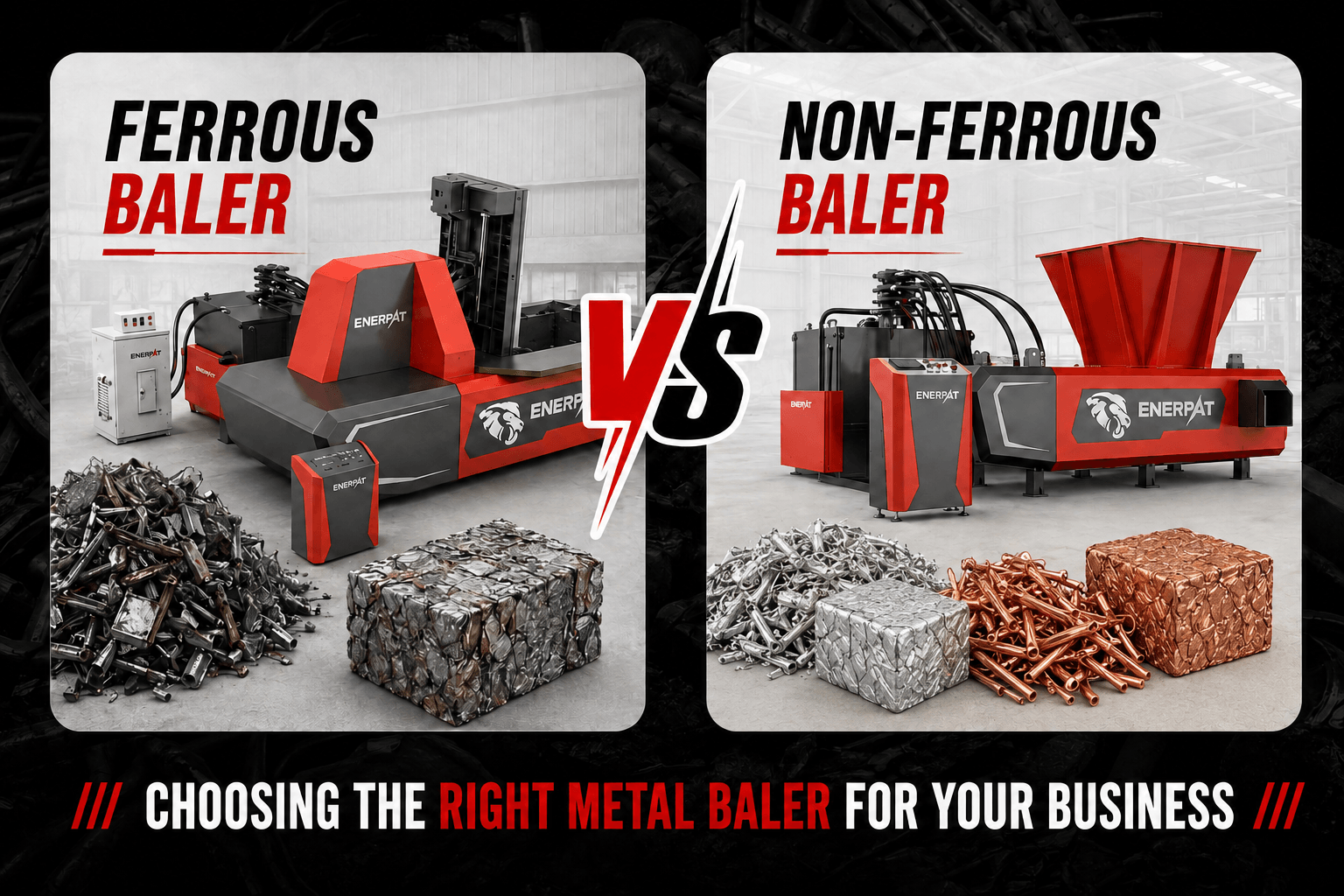
Ferrous baler vs non-ferrous baler: which do you need? Compare key differences in scrap metal recycling, material density and profits. Find reliable ferrous & non-ferrous metal balers for sale at ENERPAT.
Read More 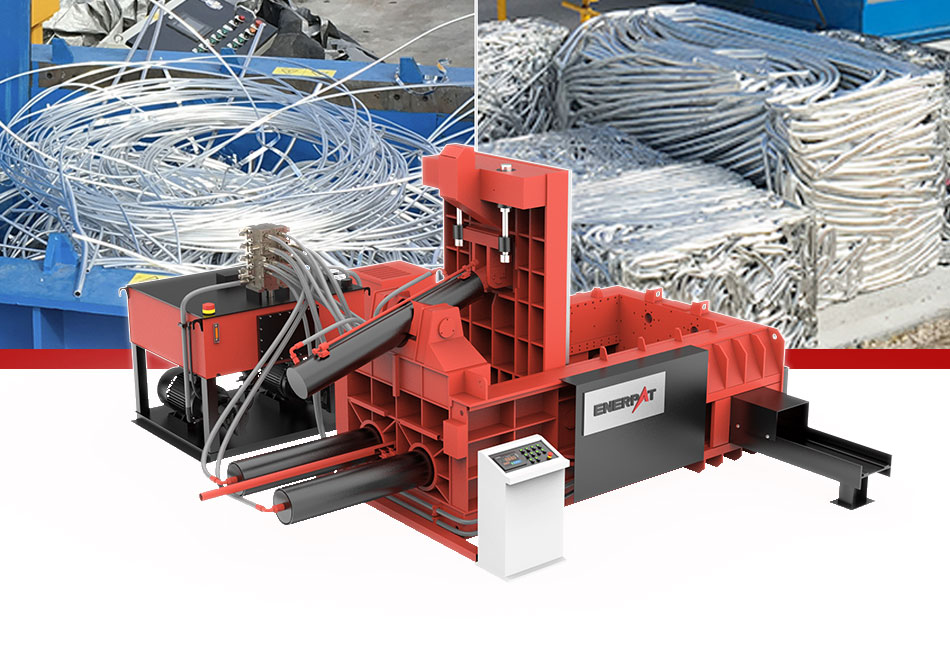
Stop shipping empty air! Use specialized non-ferrous metal balers to overcome spring-back, achieve mill-spec density, and maximize scrap profits.
Read More 


 English