

Views: 152 Author: Site Editor Publish Time: 2026-07-02 Origin: Site


Rising waste hauling fees frustrate many business owners today. Cluttered, space-constrained stockrooms create dangerous safety hazards for your staff. Every overflowing cardboard dumpster eats directly into your monthly profit margins. Managing loose trash consumes too much valuable labor time. You need a streamlined method to handle daily commercial waste.
You can solve this operational headache quickly. A small Vertical Baler serves as a foundational waste management solution. Retail stores, manufacturing facilities, and commercial spaces rely on them daily to compress bulky materials. These machines turn chaotic piles of cardboard and plastic into neat, stackable cubes.
We will break down the true expenses of buying and running this machinery. You must look beyond the base retail price tag. We explore hardware, installation logistics, ongoing maintenance, and realistic return on investment timelines. This objective breakdown helps you make an informed, confident equipment purchase.
Base prices for a standard small vertical baler typically range between $4,000 and $9,000, depending on footprint and compaction force.
Hidden procurement costs (freight, electrical setup, installation) can add 15% to 30% to the initial equipment price.
Buying a refurbished vertical baling press offers significant upfront savings, but requires strict evaluation of hydraulic integrity and warranty terms.
Payback periods generally range from 8 to 18 months, driven by reduced hauling frequency and potential revenue from recycled materials.
Hardware costs represent only the beginning of your financial commitment. Base prices for entry-level machines range from $4,000 to $9,000. This bracket covers 36-inch to 48-inch balers. These specific sizes handle moderate cardboard and plastic volumes perfectly. They fit well in standard retail stockrooms. However, the sticker price rarely equals your final cleared invoice.
Heavy machinery logistics add up fast. Freight and delivery costs depend heavily on your site access. Shipping a 1,500-pound machine requires specialized freight carriers. Lacking a raised loading dock means you need special liftgate services. This usually costs extra. Narrow alleys or restricted business parks can force drivers to use smaller relay trucks. You must budget $300 to $800 just for safe delivery.
Installation and electrical setup demand professional attention. Balers require specific power configurations to run their heavy-duty motors. You must match the machine to your building's existing electrical grid. Single-phase 110V/220V power suits some light-duty units. More powerful motors demand three-phase 480V power. Hiring a certified industrial electrician guarantees safe, code-compliant installation. Dropping a new electrical line can easily add $500 to $1,500 to your overall expenses.
You must also budget for daily operational materials. Consumables represent an ongoing monthly expense. Baling wire or polyester strapping holds your compressed cubes together. An average retail store might spend $30 to $60 monthly on these supplies. High-volume distribution centers spend much more.
Typical First-Year Expenditure Estimate (48-Inch Model) | ||
Expense Category | Estimated Cost Range | Frequency |
|---|---|---|
Base Equipment | $5,000 - $7,500 | One-time |
Freight & Delivery | $400 - $800 | One-time |
Electrical Setup | $300 - $1,200 | One-time |
Annual Consumables | $350 - $700 | Ongoing (Yearly) |
Several mechanical specifications heavily influence your final purchase price. Compaction force dictates the density of your finished bales. Hydraulic pressure squeezes waste into tight blocks. A strong cylinder pushes the platen down with immense force. Higher tonnage requirements naturally increase the machine's price. You pay more for heavier steel frames and larger hydraulic pumps. A 10-ton machine costs significantly less than a 30-ton beast.
Footprint and space constraints also shift the pricing scale. Manufacturers engineer ultra-compact models for tight backrooms. Low-profile machines operate under standard eight-foot ceilings. Narrow models fit perfectly through standard commercial doorways. These specialized dimensions carry a price premium. You pay extra for the clever engineering required to generate high pressure in a confined physical space.
Power source configurations directly impact your operational budget. Standard hydraulic systems provide immense, reliable power. They dominate the market. Pneumatic systems use compressed air instead of hydraulic fluid. Air-driven machines run quieter and avoid messy oil leaks. However, pneumatic units often handle lighter loads. They might struggle with heavy plastics. You must evaluate these tradeoffs carefully.
Smart features and IoT connectivity change the modern landscape. Automated bale-full indicators save valuable labor time. Your staff no longer needs to guess when the machine requires emptying. Cloud reporting tracks your daily output. These digital upgrades justify the higher cost for a modern vertical baling press. Data-driven waste management helps corporate managers track recycling efficiency accurately.
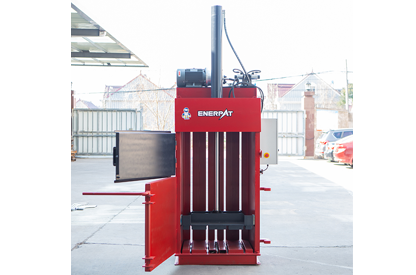
Choosing between new and used equipment requires careful thought. Maximum reliability comes straight from the factory floor. Buying new guarantees pristine hydraulic systems and fresh electrical relays. You receive full manufacturer warranties. New machines comply strictly with the latest OSHA and ANSI Z245.5 safety standards. This compliance protects your workers and shields your business from legal liabilities.
Buying used equipment offers undeniable financial advantages. You can often secure a high-quality machine for half the retail price. You keep critical operating capital in your business checking account. A well-maintained older machine often runs flawlessly for a decade. Refurbished units ship faster because they already sit in a vendor's warehouse.
However, you must practice aggressive risk mitigation. Never buy a used machine blindly off the internet. You must implement a skeptical evaluation process before sending any payment.
Verify the Refurbishment Process: Demand written documentation showing exactly what the vendor replaced. Look for new hoses, fresh oil, and updated safety switches.
Inspect for Leaks: Ask for clear photos of the main cylinder. Weeping fluid indicates failing seals. Replacing a blown cylinder ruins your initial savings.
Check Structural Welds: Examine the machine's frame for stress cracks. Years of heavy compaction take a toll on cheap steel.
Review Warranty Terms: Demand at least a 90-day parts and labor warranty. A reputable dealer stands confidently behind their refurbishment work.
Some industries face unique physical challenges. Standard warehouse machines fail rapidly in harsh environments. Offshore oil rigs, shipping vessels, and coastal facilities battle constant salt spray. You need a dedicated marine baler for these corrosive locations. Specialized finishes protect the machine's frame. Vendors use thick galvanized steel and apply marine-grade epoxy paint. Upgraded IP-rated electronics block moisture effectively. These essential upgrades increase the final purchase price significantly.
Liquid and hazardous waste require completely different processing tools. Manufacturing plants and automotive shops frequently process 55-gallon steel barrels. Standard cardboard balers cannot safely crush heavy metal containers. You need a dedicated drum crusher. These machines feature puncture spikes to release trapped air.
Other facilities process aluminum cans or plastic bottles containing leftover syrup. These operations need liquid-extraction capabilities. Built-in splash guards and stainless steel collection trays capture runoff. Compliance-heavy machines carry a major price jump. They prevent environmental contamination and protect you from costly EPA fines. You cannot cut budget corners when handling hazardous runoff.
You must justify your equipment purchase through measurable returns. Compacting your waste directly reduces your dumpster pickup frequency. This provides the fastest path to profitability. Consider a busy grocery store generating massive volumes of loose boxes. You can convert ten overflowing bins into one dense, manageable bale. Fewer pickups mean lower monthly hauling bills.
Material rebates offer another excellent revenue stream. You can sell compacted Old Corrugated Containers (OCC) to local recycling mills. Clean plastic film also fetches good market prices. You must manage your expectations carefully. Mills rarely pay for single, lightweight bales. They require minimum tonnage thresholds. Establishing a steady relationship with a local recycler turns your waste into a cash asset.
Labor efficiency delivers powerful soft savings. Your staff currently spends hours manually breaking down boxes. Overflowing dumpsters force employees to make constant trips out the back door. Baling automates this messy chore. Workers toss whole boxes into the chamber and press a button. You reclaim valuable labor hours for customer service and stocking shelves.
Example Monthly ROI Calculation | |||
Metric | Before Baler | After Baler | Net Monthly Change |
|---|---|---|---|
Waste Hauling Pickups | 8 per month | 2 per month | Save $600 |
Labor (Box Breakdown) | 20 hours/mo | 5 hours/mo | Save $300 |
Recycling Rebates | $0 | $150 (OCC Sales) | Earn $150 |
Total Monthly Benefit | - | - | $1,050 Value |
Quantifiable waste reduction supports corporate sustainability goals. Modern executives closely track environmental metrics. You can calculate your exact landfill diversion rates easily. Tracking bale weights gives you concrete data for ESG reporting. A smaller carbon footprint appeals strongly to modern eco-conscious consumers. It proves you take environmental stewardship seriously.
Smart buyers follow strict protocols before signing purchase orders. Rushing an equipment purchase leads to expensive operational mistakes. You must evaluate your site, the vendor, and the machine thoroughly.
Site Survey Requirements: Measure your ceiling height accurately. Standard machine cylinders extend upward during operation. Check all door widths and hallway clearances. Ensure the delivery team can actually maneuver the unit into your stockroom.
Service Level Agreements (SLAs): Evaluate vendor support networks. Hardware costs matter less than machine uptime. Ask about their preventative maintenance plans. Clarify their emergency response times. A broken baler halts your entire receiving department.
Safety and Compliance: Confirm your shortlisted equipment includes modern failsafes. Safety interlock switches prevent the machine from operating with the door open. Demand clear operational standard operating procedures (SOPs). Proper documentation protects your workers from severe injuries.
Electrical Verification: Send the machine's specification sheet directly to your electrician. Confirm your panel has enough amperage overhead before placing the order.
Following this checklist prevents embarrassing installation failures. It ensures you buy the right machine for your exact physical and electrical constraints.
The cheapest initial price tag rarely equals the lowest lifecycle expenditure. Hidden costs like freight, electrical upgrades, and ongoing maintenance shape your true operational budget. Buying an undersized machine saves money today but cripples your labor efficiency tomorrow. You must view this equipment as a long-term utility investment.
We advise all decision-makers to conduct a thorough facility audit. Calculate your weekly loose waste volume accurately. Check your available electrical infrastructure first. Measure your loading docks and doorways. Once you gather this concrete data, you can request highly customized vendor quotes.
Take proactive steps to control your hauling fees today. Consult a waste management equipment specialist. Ask them to conduct a professional site audit. Let them help you calculate your specific projected return on investment. The right machinery transforms a costly operational headache into a streamlined, profitable system.
A: A well-built machine usually lasts 10 to 15 years in a standard commercial setting. Expected lifespans extend even further with strict preventative maintenance. Routine oil changes, prompt cylinder resealing, and regular structural inspections keep the equipment running smoothly for decades.
A: Yes. Only authorized, trained employees should operate heavy compaction machinery. Vendors typically provide basic onboarding during installation. Your internal training must cover standard safety rules, proper loading techniques, and strict lock-out/tag-out procedures to prevent accidental start-ups during cleaning.
A: Yes, most machines handle multiple materials easily. However, you must adjust your operational approach. Plastics expand aggressively when released. You often need to change pressure settings or use different tie-off methods to keep slippery materials safely bound.
A: It depends on your cash flow. Leasing offers lower monthly operational expenses and often includes routine maintenance. Buying outright requires a larger capital expenditure upfront but delivers absolute ownership. Purchasing provides better long-term financial returns once the machine pays for itself.


 English

