

Views: 0 Author: Site Editor Publish Time: 2025-10-23 Origin: Site


In today’s fast-paced packaging industry, efficiency, sustainability, and cost-effectiveness are key drivers for success. From food and beverage production to e-commerce fulfillment and industrial goods, packaging facilities generate vast amounts of cardboard, plastics, and other recyclable materials daily. Managing this waste efficiently is no longer optional—it is a critical component of maintaining smooth production operations and reducing operational costs.
One of the most effective solutions to address this challenge is the use of Horizontal Balers. These machines have revolutionized material handling and recycling in packaging facilities, helping operators improve workflow, minimize waste, and increase profitability.
A horizontal baler is an industrial machine designed to compress recyclable materials—such as cardboard, plastic films, paper, and metal scrap—into compact, manageable bales. Unlike vertical balers, horizontal balers are typically larger and designed for high-volume operations. They operate with a horizontal loading chamber, where materials are fed either manually or via conveyor belts, and a hydraulic press compresses them into dense bales.
High Throughput: Capable of handling several tons of material per hour, ideal for facilities with heavy waste streams.
Hydraulic Compression: Provides strong and consistent pressure to maximize bale density and reduce storage space.
Automation Integration: Can be linked to conveyor systems for continuous operation without manual intervention.
Bale Tying Mechanisms: Automatic wire or strap tying ensures secure and transportable bales.
In modern packaging operations, managing waste efficiently is as critical as the production process itself. Packaging facilities—ranging from beverage bottling plants to e-commerce fulfillment centers—generate enormous quantities of recyclable materials daily, including cardboard, plastic films, paper, and shrink wrap. Without proper handling, these materials can create cluttered workspaces, slow down production, and increase disposal costs. This is where horizontal balers become an indispensable tool.
One of the main advantages of horizontal balers is their ability to streamline material handling across multiple production lines. Packaging facilities often deal with high volumes of waste simultaneously—from packing stations, conveyor belts, and sorting areas. Manually collecting, transporting, and stacking these materials can be time-consuming and labor-intensive, increasing the risk of human error or workplace accidents.
Horizontal balers solve this problem by allowing materials to be collected, compacted, and prepared for recycling efficiently without interrupting ongoing production. Loose cardboard boxes, plastic wraps, and paper waste can be fed directly into the baler either manually or via conveyor systems. Once compressed, the bales are uniform in size, making them easier to transport with forklifts or pallet jacks. This consolidation reduces the number of trips required to move waste, freeing up labor to focus on production tasks and optimizing the overall workflow.
For instance, a beverage bottling plant producing hundreds of cardboard boxes per hour can use a horizontal baler to compress the boxes into dense bales. Instead of handling dozens of loose bundles, operators can move a single bale efficiently to the recycling area, saving both time and manpower.
Another major benefit of horizontal balers is their ability to drastically reduce the volume of waste, typically by 70–90%. Loose cardboard, plastics, and other recyclable materials can occupy a significant portion of warehouse or production floor space. Without a baling solution, storage areas can quickly become cluttered, making it difficult to maintain organization and safe working conditions.
By compacting materials into dense, uniform bales, horizontal balers free up valuable storage space. This allows facilities to store more materials in the same footprint, reduces the need for additional warehouse space, and keeps aisles and workstations clear. In large-scale operations, such as logistics centers or food packaging facilities, this space optimization can directly translate into higher production efficiency and lower operational costs.
Additionally, by keeping materials organized in bales, inventory management becomes simpler. Warehouse staff can easily track quantities, monitor recycling schedules, and prepare shipments without dealing with scattered, unmanageable piles of loose materials.
Environmental responsibility is no longer optional; it is a core consideration for modern businesses. Packaging facilities are under increasing pressure to reduce their environmental impact, comply with regulations, and demonstrate sustainable practices to clients and stakeholders. Horizontal balers play a vital role in achieving these goals.
Compressing recyclables efficiently helps facilities divert more waste from landfills and ensures that materials are properly prepared for recycling. By producing high-density bales, companies can transport materials more efficiently to recycling centers, reducing fuel consumption and associated greenhouse gas emissions. In addition, some municipalities or waste management companies offer lower disposal fees for pre-compacted materials, which can further enhance cost savings while promoting eco-friendly practices.
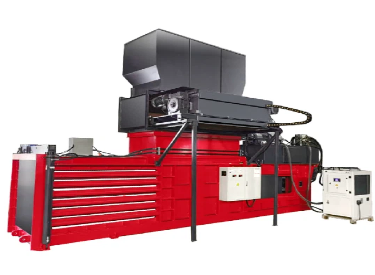
The true power of horizontal balers is realized when they are seamlessly integrated into the production line. Proper integration ensures continuous operation, minimizes downtime, and maximizes efficiency.
Modern horizontal balers can be connected to conveyor systems that collect waste from multiple points across the facility. Automated feeding reduces labor requirements, minimizes human error, and ensures a steady supply of materials for compression. For example, cardboard boxes generated at packing stations can be automatically conveyed into the baler, compressed, and tied into uniform bales
Advanced horizontal balers often feature electronic control systems that allow operators to monitor operational parameters such as pressure, cycle times, and bale counts in real-time. Integration with production management software helps synchronize the baler’s operation with the overall workflow, ensuring that the machine operates optimally without disrupting other production processes.
Safety is a critical consideration when operating heavy machinery like horizontal balers. These machines are equipped with emergency stop buttons, safety gates, and lockout/tagout systems to protect operators from accidents. Compliance with OSHA or local safety standards is essential, and most modern balers meet or exceed these requirements.
By automating the compaction and handling of recyclable materials, horizontal balers free staff to focus on core production activities. Instead of spending time managing loose waste, employees can concentrate on packing, assembly, or other high-value tasks. This leads to faster production cycles and more efficient overall workflow.
Horizontal balers reduce both storage and transportation costs. Compact bales occupy significantly less space, allowing more materials to be stored or shipped in a single trip. Facilities that handle several tons of waste daily can save substantial amounts on labor, transport, and disposal fees over time. Efficient bale formation also minimizes the risk of damaged or lost materials, further reducing operational costs.
Uniform, high-density bales are easier to handle, stack, and transport. Consistent bale sizes improve logistics planning and facilitate smoother interactions with recycling partners. High-quality bales are less likely to shift or collapse during handling, ensuring that the recyclable materials maintain their integrity and value throughout the supply chain.
Loose packaging materials, such as cardboard, shrink wrap, and plastic films, can create tripping hazards or cluttered workspaces. By consolidating waste into neat, compact bales, horizontal balers help maintain clear aisles and organized storage areas. This reduces accidents, enhances worker safety, and contributes to a more professional working environment.
Proper maintenance ensures horizontal balers operate efficiently over their lifespan. Key strategies include:
Inspect hydraulic fluid levels
Check for leaks in hoses and seals
Clean the feeding area to prevent jams
Inspect safety switches and emergency stops
Lubricate moving parts and pivot points
Inspect and tighten bolts, fasteners, and structural components
Check bale tying mechanisms for proper operation
Replace worn hydraulic seals or filters
Operators should receive proper training on loading, operation, and emergency procedures. Keeping a maintenance log ensures routine tasks are performed consistently and identifies potential issues before they escalate.
A mid-sized beverage packaging facility integrated a horizontal baler with its carton conveyor line. By compressing cardboard and shrink wrap on-site, the facility reduced storage requirements by 80% and cut daily waste handling time by 60%, allowing staff to focus on production.
An e-commerce fulfillment center implemented a high-capacity horizontal baler to manage shipping box waste. The system automatically tied bales, enabling faster collection and reducing transportation trips to external recycling centers, resulting in substantial cost savings.
In modern packaging facilities, horizontal balers are more than just waste management equipment—they are critical tools for optimizing production efficiency, improving sustainability, and reducing operational costs. From automating material handling to protecting workplace safety and reducing storage space, these machines transform how packaging facilities manage recyclables.
For businesses looking to integrate high-quality horizontal balers into their production lines, companies like www.kinboxtools.com provide professional-grade solutions designed for durability, efficiency, and scalability. Contact them today to explore options that will help streamline your workflow and improve operational performance without adding unnecessary complexity.


 English


